More Than a Vision Check

A comprehensive eye exam at Boling Vision Center's South Bend location is far more than a prescription update. It is a thorough evaluation of both visual function and eye health that goes well beyond what a vision screening or basic glasses check provides, and in many cases, it reveals information about a guest's overall health that extends well beyond the eyes themselves.

For South Bend residents looking for a trusted eye care home, Boling Vision Center has been providing comprehensive eye exams to the families of Northern Indiana since 1960, and our South Bend location brings that same standard of thoroughness and genuine attentiveness to every appointment. Schedule a comprehensive eye exam at our South Bend location today.

What a Comprehensive Eye Exam Includes

Every comprehensive eye exam at our South Bend location covers the following core components, with additional testing added as clinically indicated.

  • Visual Acuity Assessment: Measures how clearly you see at distance and near, establishing whether a refractive correction is needed or whether your current prescription remains accurate.
  • Refraction: A careful refraction determines the precise lens prescription needed for the clearest possible vision, whether expressed in glasses, contact lenses, or used to evaluate candidacy for vision correction procedures.
  • Intraocular Pressure Measurement: A standard component of every comprehensive exam and an essential screening tool for glaucoma.
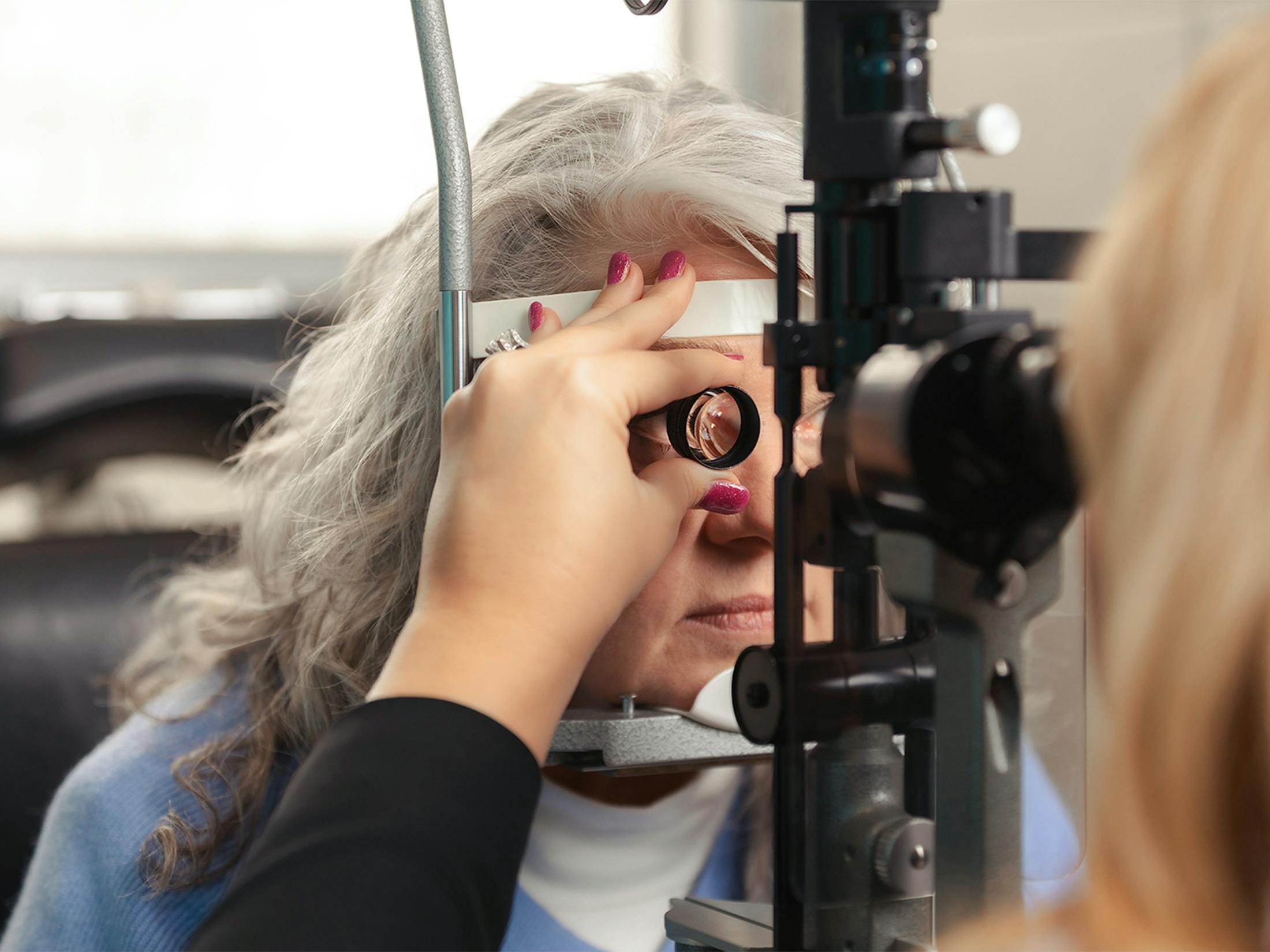
  • Slit-Lamp Examination: Direct examination of the anterior segment structures, including the cornea, lens, and iris, for signs of disease or change.
  • Dilated Fundus Examination: A dilated exam allows a thorough view of the retina, optic nerve, and blood vessels at the back of the eye, revealing signs of conditions including macular degeneration, diabetic retinopathy, and glaucoma that may be completely asymptomatic in their early stages.
  • Visual Field Testing: When indicated, evaluates peripheral vision and helps detect early signs of glaucoma and neurological conditions affecting the visual pathway.
  • Advanced Imaging: Our South Bend location is equipped with optical coherence tomography and other advanced imaging technology that detects subtle changes in retinal and optic nerve structure, often years before they would be apparent on standard examination.

Banner media

Preventive Care and Early Detection

Many of the most serious eye conditions develop silently before producing any noticeable symptoms. Regular comprehensive eye exams at our South Bend location are the primary means of catching these conditions early, when treatment is most effective and vision loss is most preventable.

Conditions we routinely screen for include:

  • Glaucoma: Often called the silent thief of sight, glaucoma can cause significant peripheral vision loss before any symptoms are noticed. Regular pressure measurement and optic nerve evaluation are essential for early detection.
  • Age-related macular degeneration: The leading cause of vision loss in adults over 50, AMD is detectable in its earliest stages through dilated retinal examination and advanced imaging before vision changes occur.
  • Diabetic retinopathy: Annual dilated eye exams are standard of care for every person with diabetes, as early detection dramatically reduces the risk of vision loss.
  • Cataracts: Regular monitoring allows us to track progression and advise on the right time to consider surgical correction.
  • Systemic disease: The eye is often where signs of undiagnosed diabetes, hypertension, and neurological conditions appear first, making the eye exam a valuable tool for overall health monitoring.

Schedule A Consultation

Contact Us
Contact us media

Eye Exams for Every Stage of Life

At Boling Vision Center's South Bend location, we provide comprehensive eye exams for guests of every age, with evaluations adapted to the specific needs and visual demands of each life stage.

Children

Early detection of vision problems in children is critical, as the visual system is still developing through childhood, and conditions caught early are far more effectively treated than those identified later. Our South Bend team uses age-appropriate testing techniques for children of every developmental stage, from preferential looking assessments for infants to standard chart testing for school-age children. The American Optometric Association recommends a first comprehensive eye exam at six months of age, again at age three, and annually from age six onward. School vision screenings are not a substitute for a comprehensive exam and frequently miss significant conditions, including amblyopia and significant refractive errors.

Adults

For adults without known eye conditions, comprehensive eye exams every one to two years are appropriate through the thirties, with annual exams recommended from age 40 onward as the risk of age-related conditions begins to increase meaningfully. For adults with diabetes, a family history of glaucoma or macular degeneration, or other risk factors, annual exams are recommended regardless of age.

Seniors

For guests 65 and older, annual comprehensive eye exams are essential. The risk of sight-threatening conditions, including glaucoma, AMD, diabetic eye disease, and cataracts, is highest in this group, and the consequences of delayed detection are most significant. Our South Bend team approaches senior eye care with particular thoroughness, taking the time to understand each guest's full medical picture and ensure that optical correction continues to support independence and quality of life.

Background media
Older Woman smiling

Contact Lens Exams in South Bend

For guests who wear or are interested in wearing contact lenses, a contact lens exam is a separate evaluation from a comprehensive eye exam that assesses the fit, prescription parameters, and health of the corneal surface under lens wear. Contact lens exams are available at our South Bend location for all lens types, including specialty and scleral lens fittings for guests with complex prescriptions or corneal conditions.

Contact lens prescriptions are valid for one year, and annual contact lens evaluations are recommended to ensure the prescription and lens modality remain appropriate for your eyes.

Everybody was kind and professional. Was very pleased with the attention and service I received. No long waits between appointments.

Cindy Slagel
Quote Background

The Eye as a Window to Overall Health

One of the most important and most underappreciated aspects of a comprehensive eye exam is what it can reveal about overall health beyond the eyes. The blood vessels, optic nerve, and other structures visible during a dilated eye exam can show signs of diabetes, hypertension, elevated cholesterol, neurological conditions, and other systemic diseases.

At Boling Vision Center's South Bend location, our providers are trained to recognize these signs and communicate relevant findings to the appropriate members of each guest's broader care team. It is not uncommon for a routine eye exam at our practice to prompt a referral that leads to an important diagnosis.

Banner media

Why Choose Boling Vision Center for Your Eye Exam in South Bend?

Boling Vision Center has been providing comprehensive eye exams to the Michiana community for over 65 years, and the standard of care we bring to every exam reflects decades of clinical excellence, advanced technology, and genuine attentiveness. From infants to seniors, every guest at our South Bend location receives a thorough, unhurried evaluation from a team that takes their vision and their health seriously. Amazing happens here.

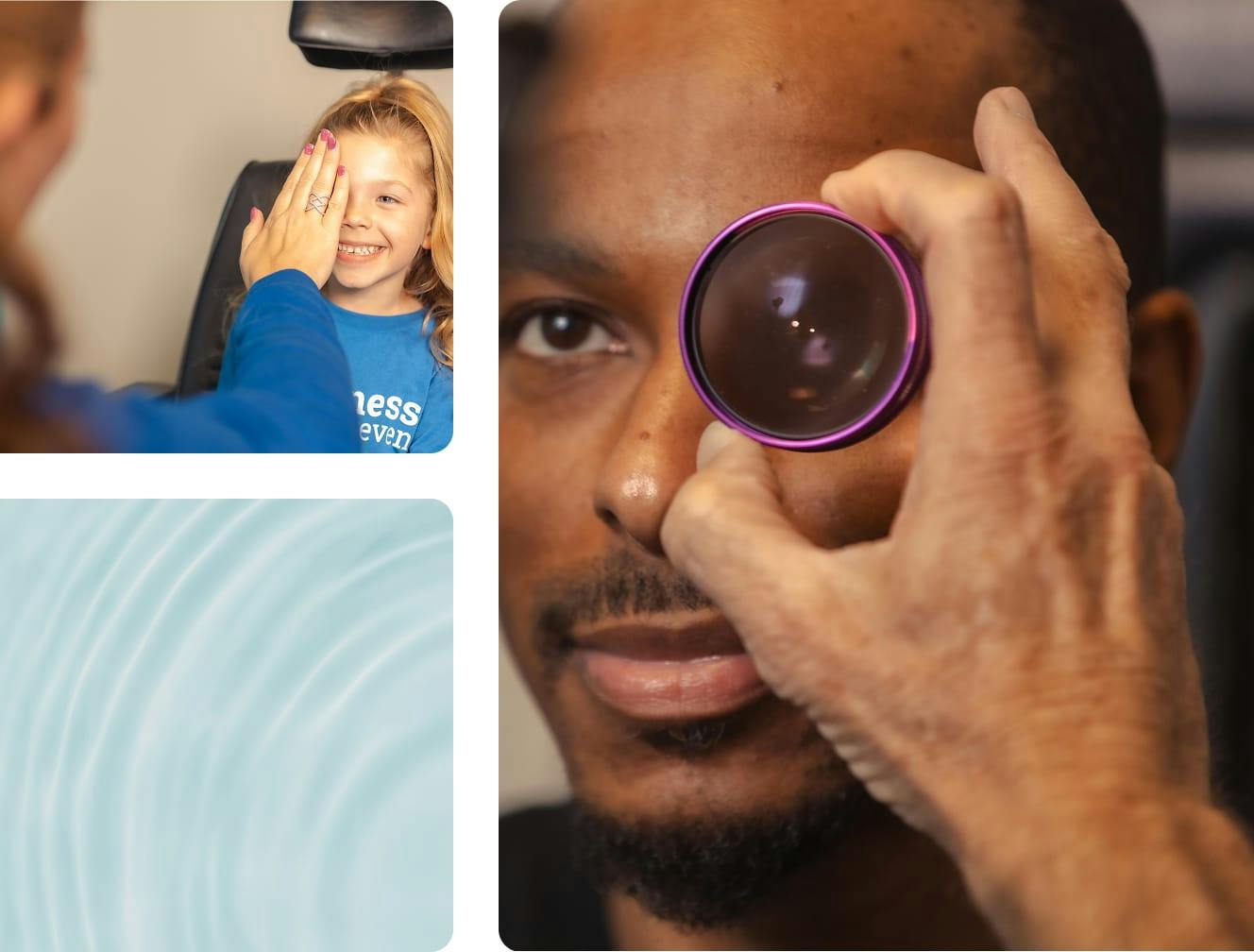
man getting his eye checked | child getting her eye checked | abstract art

Frequently Asked Questions Eye Exam

How often should I have a comprehensive eye exam?

For adults without known eye conditions, every one to two years through the thirties and annually from age 40 onward is appropriate. Children should be seen annually from age six. Guests with diabetes, glaucoma risk factors, or other conditions affecting eye health may need more frequent monitoring. Your provider will advise on the most appropriate schedule for your situation.

Do I need a referral to schedule an eye exam at Boling Vision Center's South Bend location?

No referral is required. You're welcome to schedule a comprehensive eye exam directly at our South Bend location by calling us or requesting an appointment online.

How long does a comprehensive eye exam take?

Plan for approximately 45 minutes to an hour for a standard comprehensive exam. If dilation or additional testing is needed, the appointment may take longer. We recommend arranging a driver if dilation is expected, as it temporarily blurs near vision and increases light sensitivity for two to four hours.

Is a comprehensive eye exam different from a contact lens exam?

Yes. A comprehensive eye exam evaluates overall eye health and determines your glasses prescription. A contact lens exam is an additional evaluation that assesses fit, prescription parameters specific to contact lens wear, and corneal health under lens wear. Both can often be scheduled together at the same appointment.

My child passed a school vision screening. Do they still need an eye exam?

Yes. School screenings test a limited range of visual functions and frequently miss significant conditions including farsightedness, astigmatism, and amblyopia. A comprehensive eye exam is the only reliable way to fully assess a child's visual health, and we recommend one regardless of whether a school screening has been normal.

Amazing Happens Here

Three generations. One unwavering standard.

Contact Us
Accessibility: If you are vision-impaired or have some other impairment covered by the Americans with Disabilities Act or a similar law, and you wish to discuss potential accommodations related to using this website, please contact our Accessibility Manager at (574) 293-3545.
Contact Us