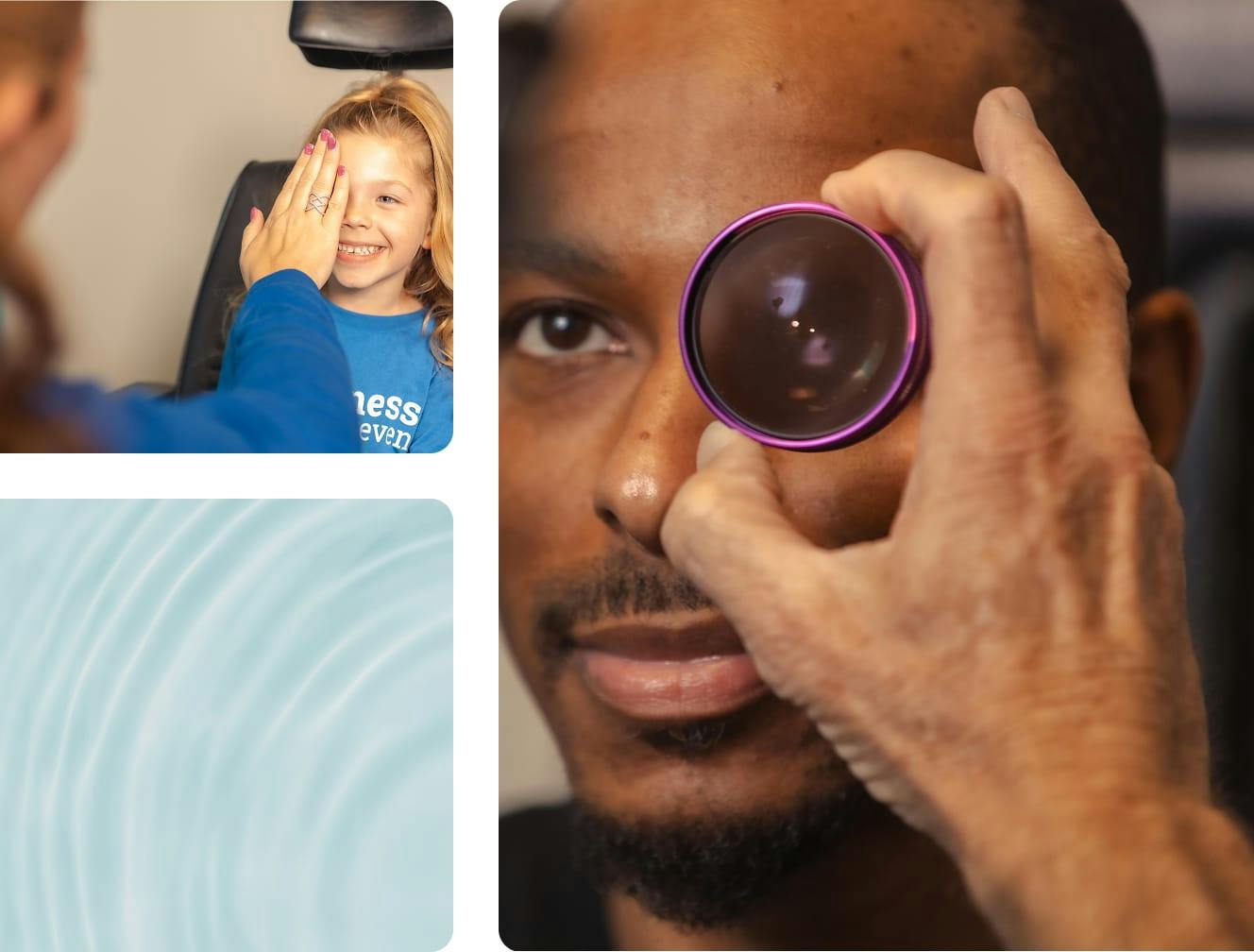
Strabismus is a common childhood eye condition in which the eyes don't point in the same direction, and with the right care at the right time, it is very treatable.
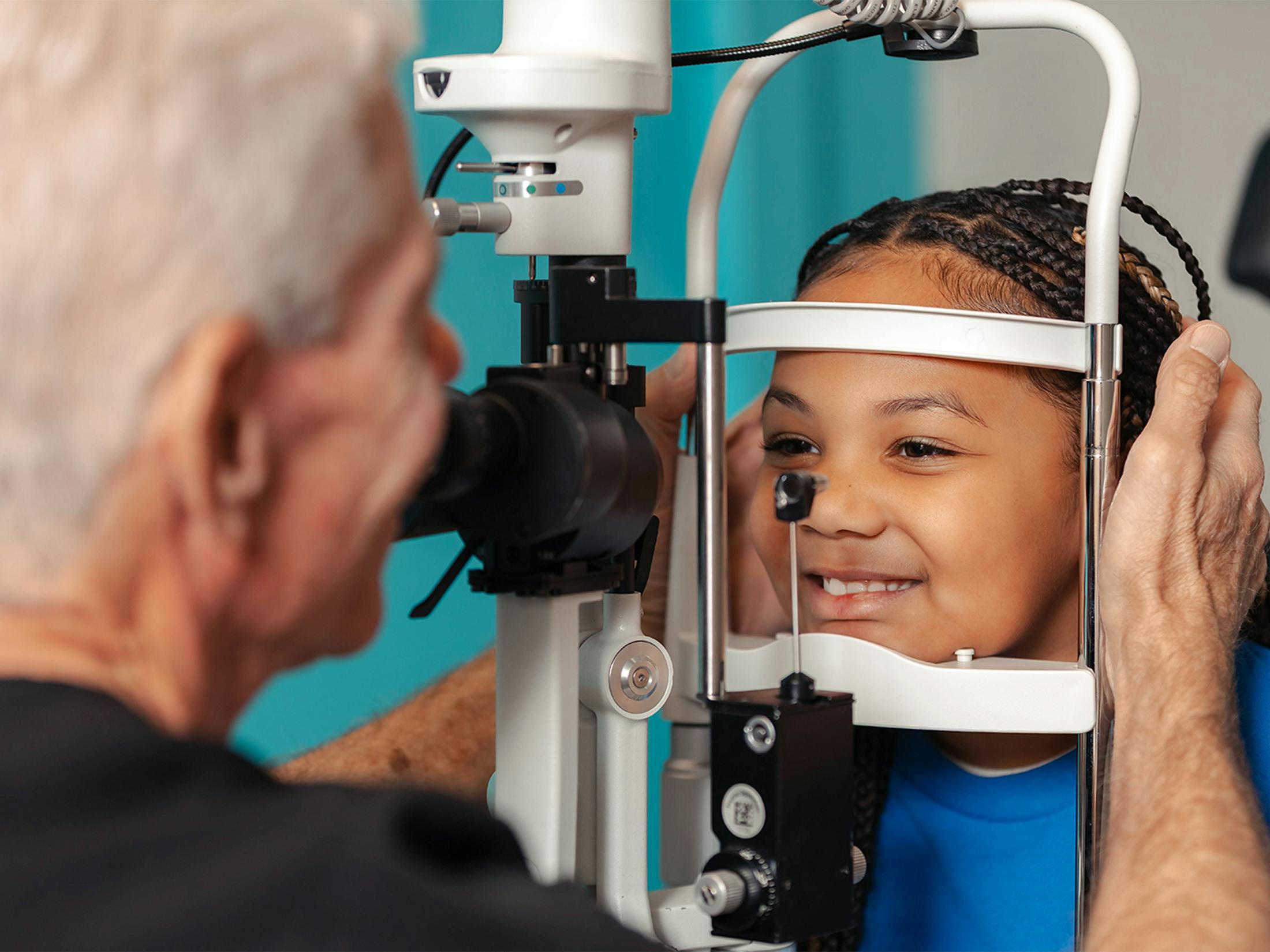

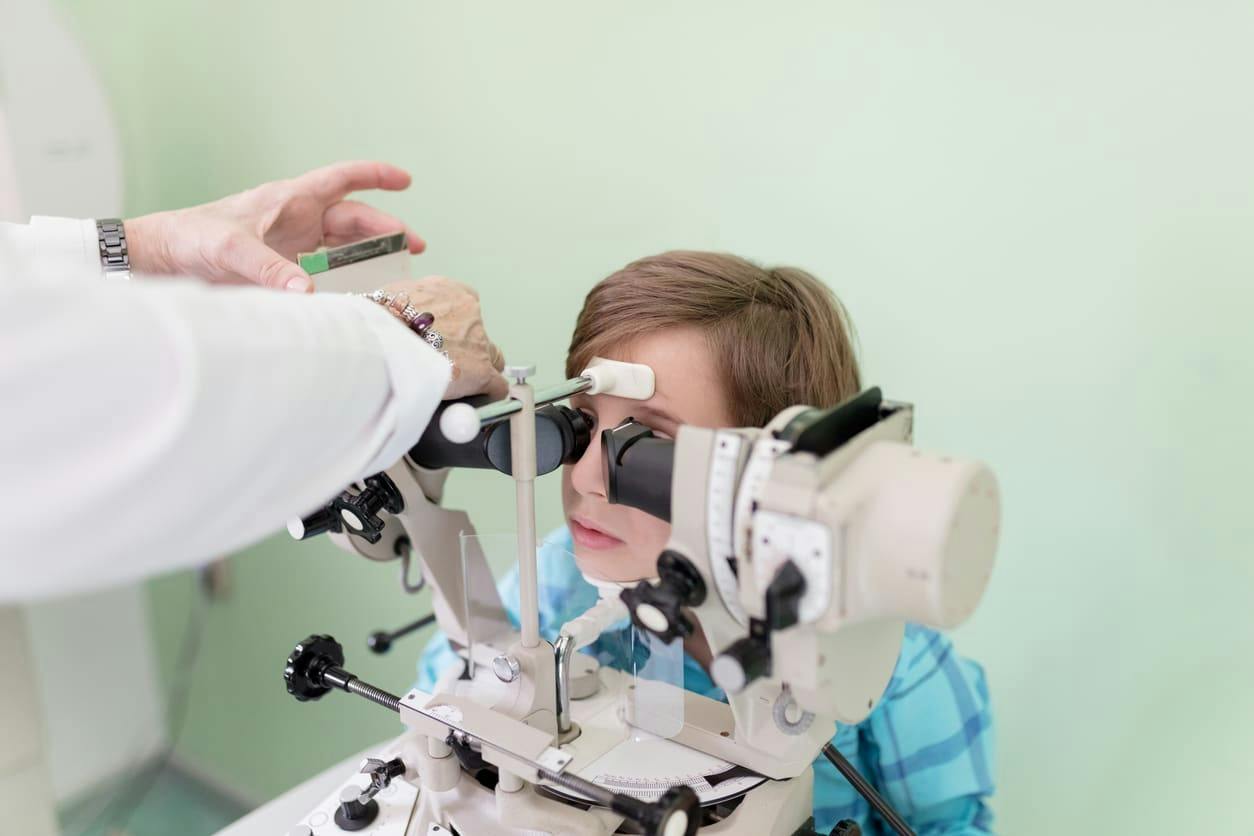
Understanding Strabismus
Strabismus occurs when the six muscles that control each eye's movement fail to work in precise coordination. That failure can stem from many causes, including problems with the muscles themselves, the nerves that control them, or the brain's ability to coordinate their signals.
The condition affects roughly four percent of children and can present at any age, including in infancy. It may be constant, present all the time, or intermittent, appearing only when the child is tired, sick, or focusing at a particular distance. It's important to understand that strabismus does not resolve on its own. A common misconception is that children will outgrow a turned eye, but without appropriate treatment, the misalignment typically persists, and the risk of amblyopia increases over time.