More Than Just Dryness Understanding Dry Eye & Ocular Surface Disease

Most people think of dry eye as an occasional annoyance, a little irritation on a windy day or after staring at a screen too long. But for millions of people, dry eye is a chronic, progressive condition that affects vision quality, daily comfort, and quality of life in meaningful ways. It's also far more complex than its name suggests, rooted in a breakdown of the ocular surface system that requires accurate diagnosis and targeted treatment to address effectively.

At Boling Vision Center's Cornea & Ocular Surface Center, we go beyond artificial tears. We evaluate the full picture of your ocular surface health and build treatment plans designed to get to the source of the problem, not just manage the symptoms. If dry, irritated, or uncomfortable eyes have become part of your daily life, you deserve better answers than you've been getting. Schedule a dry eye evaluation at any of our four Northern Indiana locations.

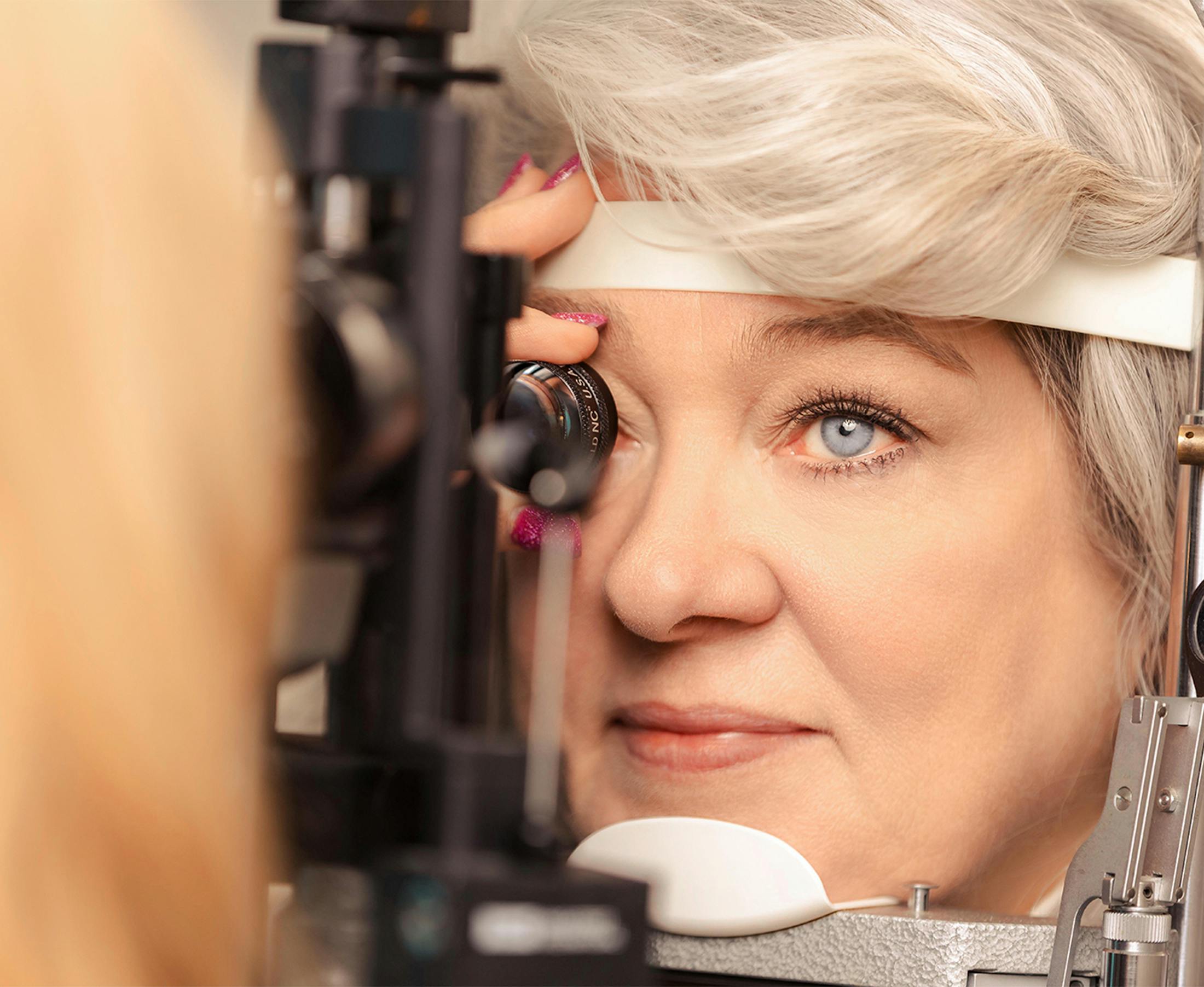
woman getting her eyes examined

What Is the Ocular Surface System?

To understand dry eye disease, it helps to understand what the ocular surface actually is and why it matters so much.

The ocular surface is an integrated system made up of the cornea, conjunctiva, eyelids, and tear film, all working together to keep the eye clear, comfortable, and protected. The tear film itself is not simply water; it's a precisely layered structure consisting of an outer lipid layer produced by the meibomian glands, a middle aqueous layer produced by the lacrimal glands, and an inner mucin layer produced by goblet cells in the conjunctiva.

When any part of this system breaks down, the result is an unstable tear film that can't adequately protect or lubricate the ocular surface. That instability is what we call dry eye disease, and it can stem from many different underlying causes.


The Two Main Types of Dry Eye

Understanding which type of dry eye is driving a guest's symptoms is foundational to effective treatment.

Aqueous-Deficient Dry Eye

In this form of dry eye, the lacrimal glands don't produce enough of the watery component of the tear film. The eyes simply aren't making sufficient tears to keep the surface adequately lubricated. This type is less common than evaporative dry eye but can be more severe, and it's associated with certain autoimmune conditions, medications, and age-related changes in gland function.

Evaporative Dry Eye

Evaporative dry eye is the more prevalent form, accounting for the majority of dry eye cases. Here, the problem isn't the volume of tears but their quality. When the meibomian glands, which line the upper and lower eyelids, become dysfunctional, they fail to produce the lipid layer that prevents tears from evaporating too quickly. Without that lipid seal, even a normal volume of tears evaporates faster than it can be replenished, leaving the surface exposed and irritated.

Many guests have a combination of both types, which is one reason a thorough diagnostic evaluation is so important before treatment begins.

Background media

Symptoms of Dry Eye Disease

Dry eye doesn't always feel like dryness. The range of symptoms guests describe is broader than most people expect, and includes:

  • A burning, stinging, or scratchy sensation
  • Redness and irritation, particularly toward the end of the day
  • Watery eyes, which can paradoxically be a sign of dry eye as the eye overproduces reflex tears in response to surface irritation
  • Blurry or fluctuating vision, especially during sustained reading or screen use
  • Light sensitivity
  • Discomfort or intolerance with contact lens wear
  • A feeling that something is in the eye
  • Eye fatigue or heaviness

If these symptoms sound familiar, a thorough dry eye evaluation can provide the clarity and direction that over-the-counter drops alone never will.

I love Boling Eye Center! They are very efficient and thorough for all of my eye health needs.

Sandy Elliott
Quote Background

Related Ocular Surface Conditions

Dry eye rarely exists in isolation. At Boling Vision Center, we evaluate and manage the full spectrum of ocular surface conditions that commonly accompany or contribute to dry eye disease.

Meibomian Gland Dysfunction (MGD)

MGD is the leading cause of evaporative dry eye. The meibomian glands become blocked, or their secretions thicken, disrupting the lipid layer of the tear film and accelerating tear evaporation. It's extremely common, often underdiagnosed, and very responsive to targeted treatment when identified early.

Blepharitis

Blepharitis is inflammation of the eyelid margins, often associated with bacterial overgrowth or skin conditions like rosacea. It contributes to tear film instability, surface irritation, and MGD, and managing it is frequently an important part of a comprehensive dry eye treatment plan.

Ocular Surface Inflammation

Chronic dry eye and inflammation exist in a self-perpetuating cycle: a disrupted tear film triggers inflammatory responses on the ocular surface, which in turn further damage the surface cells and glands responsible for tear production and quality. Breaking that cycle is one of the central goals of effective dry eye treatment.

Conjunctivochalasis

Conjunctivochalasis is a condition in which excess, loose conjunctival tissue folds along the lower eyelid margin, disrupting the tear meniscus and contributing to dry eye symptoms. It's often overlooked but can be a significant contributing factor in guests whose dry eye hasn't responded well to standard treatments.

Neurotrophic Ocular Surface Disease

In some guests, reduced corneal nerve sensitivity, whether from prior surgery, infection, systemic disease, or other causes, impairs the feedback mechanisms that regulate tear production and blink reflex. This can contribute to a particularly challenging form of ocular surface disease that requires specialized evaluation and management.

How We Diagnose Dry Eye & Ocular Surface Disease

Effective treatment starts with accurate diagnosis, and at Boling Vision Center, we use a comprehensive suite of diagnostic tools to evaluate every dimension of ocular surface health.

Tear Film Analysis

We assess tear volume, stability, and evaporation rate using objective testing that goes well beyond what a standard eye exam includes. Tear osmolarity testing, for example, provides a measurable, reproducible marker of tear film health that helps guide treatment decisions and track response over time.

Meibomian Gland Imaging

Using specialized imaging technology, we can directly visualize the meibomian glands and assess their structure, identifying gland dropout, truncation, and blockage that may be contributing to evaporative dry eye. This information is essential for determining which gland-directed treatments are most appropriate.

Corneal and Conjunctival Staining

Vital dye staining allows us to identify areas of surface cell damage that indicate where the tear film is failing, and the surface is being exposed. The pattern and extent of staining inform both diagnosis and treatment planning.

Slit-Lamp Examination

A thorough slit-lamp evaluation of the eyelid margins, tear meniscus, cornea, and conjunctiva gives our providers a detailed view of the ocular surface and helps identify contributing conditions like blepharitis, MGD, and conjunctivochalasis.

Background media

Treatment Options for Dry Eye & Ocular Surface Disease

Dry eye treatment at Boling Vision Center is individualized, layered, and designed to address root causes rather than simply mask symptoms. Depending on your diagnosis, your care plan may include one or more of the following.

Prescription Anti-Inflammatory Therapy

Because inflammation plays a central role in dry eye disease, prescription anti-inflammatory eye drops are a cornerstone of treatment for many guests. These medications target the inflammatory cycle at the ocular surface level, helping to restore healthier surface cell function and improve tear quality over time.

Meibomian Gland Treatments

For guests with MGD and evaporative dry eye, restoring meibomian gland function is essential. We offer targeted in-office treatments designed to clear blocked glands and improve lipid secretion, providing lasting improvement rather than the temporary relief of drops alone.

Specialty Contact Lenses

For guests with moderate to severe dry eye, scleral lenses can be transformative. By creating a fluid reservoir over the corneal surface, they provide continuous hydration and protection throughout the day, significantly improving both comfort and visual quality.

Eyelid Hygiene and Blepharitis Management

For guests with blepharitis or lid margin disease contributing to their dry eye, targeted eyelid treatments and hygiene protocols are an important part of the overall plan.

Punctal Occlusion

In select cases, closing the puncta, the small drainage openings in the inner corner of each eyelid, can help retain tears on the ocular surface for longer, providing relief for guests with aqueous-deficient dry eye.

Preservative-Free Lubrication

High-quality, preservative-free artificial tears and lubricating gels remain an important supportive component of most dry eye treatment plans, used alongside targeted therapies rather than as a substitute for them.

Why Choose Boling Vision Center?

At Boling Vision Center's Cornea & Ocular Surface Center, dry eye is treated as the medical condition it is, not a minor complaint to be managed with samples from a shelf. With advanced diagnostics, the full range of treatment options, and providers who take the time to understand each guest's complete picture, we offer a level of dry eye care that goes well beyond what most practices provide. Four locations, 65-plus years of community trust, and a team that genuinely cares about how you feel every day. Amazing happens here.

older woman smiling | abstract art | phoropter

Frequently Asked Questions Dry Eye & Ocular Surface Disease

Is dry eye a permanent condition?

For many guests, dry eye is a chronic condition that requires ongoing management rather than a one-time cure. That said, with consistent, targeted treatment, the vast majority of guests achieve meaningful improvement in both symptoms and ocular surface health. Some guests, particularly those with mild or situational dry eye, do experience resolution with appropriate treatment.

Can dry eye actually damage my eyes?

Yes. Chronic, untreated dry eye can cause progressive damage to the surface cells of the cornea and conjunctiva, increase the risk of corneal infections, and, in severe cases, contribute to corneal scarring. This is one of the reasons early, effective treatment matters beyond just comfort.

Why do my eyes water if I have dry eye?

Watery eyes are a paradoxical but very common symptom of dry eye disease. When the ocular surface is irritated by an unstable tear film, the eye's reflex tearing system responds by flooding the eye with watery tears. These reflex tears lack the stable lipid and mucin components of a healthy tear film, so they don't actually solve the underlying problem and drain away quickly, leaving the surface just as dry as before.

How long does dry eye treatment take to work?

It depends on the type and severity of dry eye and the treatments being used. Some therapies, like in-office meibomian gland treatments, can produce noticeable improvement within weeks. Prescription anti-inflammatory drops typically take one to three months to show their full benefit. Managing expectations and staying consistent with a treatment plan are both important parts of the process.

Can screen use cause dry eye?

Prolonged screen use is a significant contributing factor to dry eye symptoms for many people. When focusing on a screen, blink rate decreases substantially, leading to increased tear evaporation and surface exposure. While screen use alone is unlikely to cause dry eye disease in someone with a completely healthy ocular surface, it commonly worsens symptoms in those who are already predisposed.

Amazing Happens Here

Three generations. One unwavering standard.

Contact Us
Accessibility: If you are vision-impaired or have some other impairment covered by the Americans with Disabilities Act or a similar law, and you wish to discuss potential accommodations related to using this website, please contact our Accessibility Manager at (574) 293-3545.
Contact Us