Modern Glaucoma Care Has Changed the Story

For a long time, managing glaucoma meant daily medications, monitoring, and hoping for the best. Today, a growing field called interventional glaucoma is changing what's possible, offering targeted procedures that treat the disease at its source rather than simply managing symptoms. At Boling Vision Center, our providers are trained in the latest interventional approaches, giving guests access to care that is proactive, precise, and designed to protect their vision for the long haul. 

If you've been told you have glaucoma or are at risk, schedule a consultation and let's talk about what modern care looks like for you.

Why Early Intervention Matters

Glaucoma is a progressive disease, and the vision it takes doesn't come back. That's the quiet urgency behind everything we do in our Glaucoma Center. The earlier we intervene, the more options we have and the more vision we can protect.

Watch the short video below to hear more about why acting early makes such a meaningful difference in long-term outcomes for glaucoma guests.

Banner media
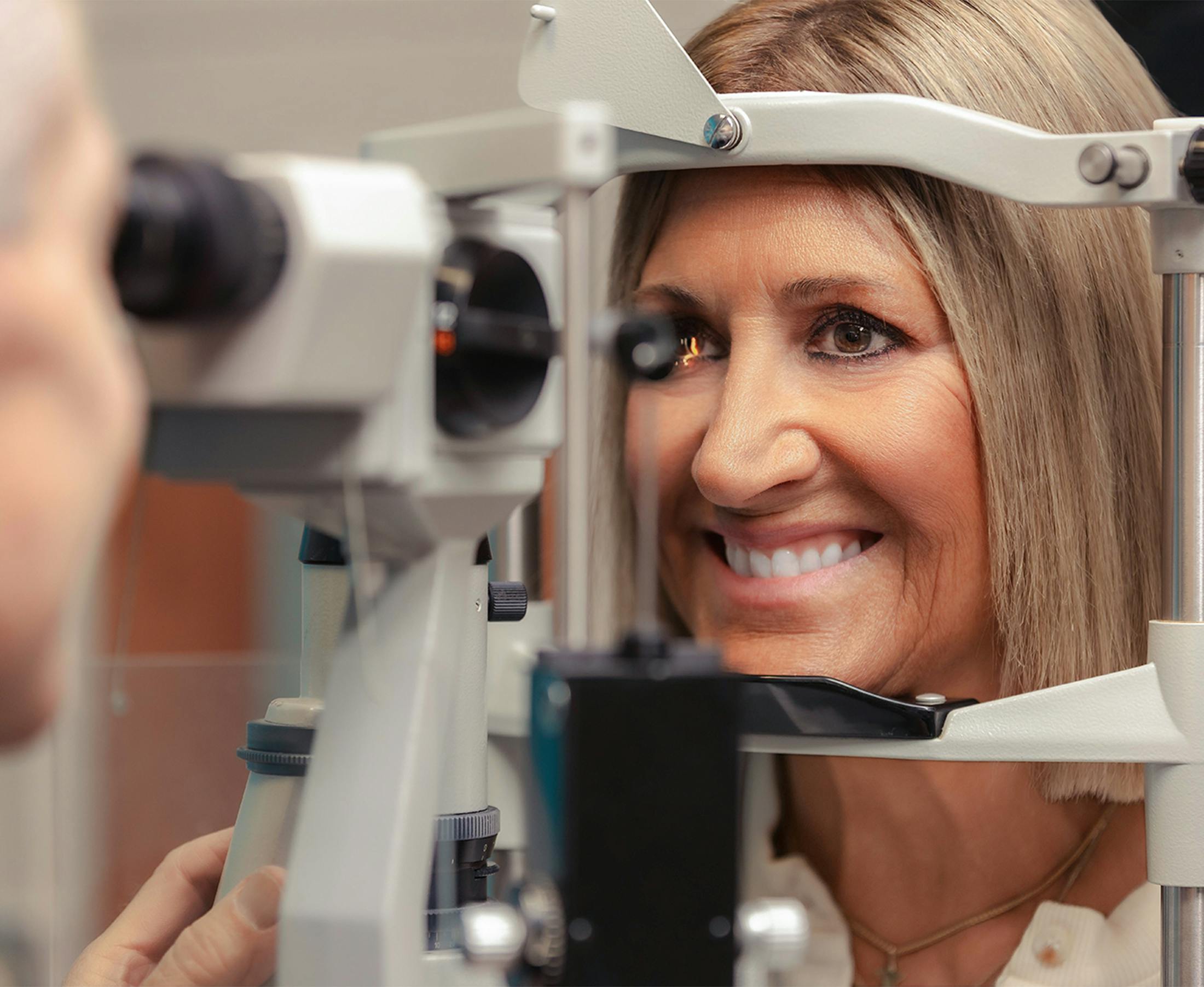
Woman smiling during eye exam

What Is Interventional Glaucoma?

Interventional glaucoma is an approach to care that goes beyond drops and watchful waiting. Rather than relying solely on daily medications to manage intraocular pressure, interventional glaucoma uses procedures, surgical techniques, and advanced treatments to address the underlying mechanics of the disease.

The goal is not just to slow progression; it's to reduce the burden of disease management on the guest while achieving better, more consistent pressure control than medications alone can often provide.

Treatment Options at Boling Vision Center

Interventional glaucoma isn't one procedure; it's a range of tools and techniques matched to the guest's specific disease stage, anatomy, and lifestyle. Our providers draw from the full spectrum of available options to build a care plan that fits.

Laser Treatments

Laser procedures are often among the first interventional steps considered for glaucoma guests. Selective Laser Trabeculoplasty, commonly known as SLT, is a widely used, well-tolerated in-office procedure that improves the eye's natural drainage to reduce intraocular pressure. It's repeatable, carries low risk, and for many guests represents a meaningful step toward reducing or eliminating medication dependence.

Microinvasive Glaucoma Surgery (MIGS)

MIGS procedures represent one of the most significant advances in glaucoma care in recent years. These minimally invasive surgical techniques are designed to lower intraocular pressure with less risk and faster recovery than traditional glaucoma surgery.

MIGS is frequently performed at the time of cataract surgery, making it a highly efficient option for guests managing both conditions simultaneously. There are several MIGS approaches available, and the right choice depends on your glaucoma type, severity, and overall eye health.

Procedural Pharmaceuticals

In addition to traditional eye drops, there are now procedural pharmaceutical options that deliver medication in a sustained, controlled way, reducing the need for daily drops. For guests who struggle with medication adherence, experience side effects from topical drops, or simply want a more reliable method of pressure control, these options can be a meaningful part of a comprehensive glaucoma care plan.

Advanced Surgical Glaucoma Procedures

For guests with more advanced glaucoma or those who haven't achieved adequate pressure control through other means, more involved surgical options are available. These procedures create new pathways for fluid drainage within the eye, providing more aggressive pressure reduction when the situation calls for it.

Our providers will discuss surgical options thoroughly, including what to expect before, during, and after the procedure, so guests feel fully prepared and confident in their care plan.

Background media

Reducing Medication Burden

One of the most significant quality-of-life benefits of interventional glaucoma care is the potential to reduce or eliminate dependence on daily eye drops. While drops are effective for many guests, they come with real challenges: remembering multiple doses, managing side effects, affording ongoing prescriptions, and maintaining the consistency needed for them to work.

Interventional approaches can restore a level of freedom and simplicity to daily life that medications alone often can't provide. For many guests, this shift is every bit as meaningful as the clinical outcome itself.

Schedule A Consultation

Contact Us
Contact us media

Glaucoma and Cataract Care Together

It's not uncommon for guests managing glaucoma to also develop cataracts, and the intersection of these two conditions actually presents a valuable opportunity. Cataract surgery itself can produce a modest reduction in intraocular pressure, and when combined with a MIGS procedure performed at the same time, the combined benefit can be significant.

Treating both conditions in a single surgical event reduces the overall number of procedures a guest needs, shortens the total recovery period, and often delivers better combined outcomes than addressing each condition separately. Boling Vision Center's surgical team is experienced in coordinating this combined approach, and it's a conversation worth having if you're facing both diagnoses.

Long-Term Glaucoma Preservation

Managing glaucoma isn't a short-term project; it's a lifelong commitment to protecting the vision you have. At Boling Vision Center, our approach to glaucoma care is built around the long game.

That means regular monitoring of your optic nerve and visual field, adjusting your care plan as your disease evolves, and staying current with emerging treatment options as the field continues to advance. Our providers don't just treat glaucoma; they partner with guests over years and decades to preserve as much functional vision as possible for as long as possible.

Banner media

Who Is a Candidate for Interventional Glaucoma Care?

Interventional glaucoma isn't reserved for guests with advanced disease. In fact, some of the most impactful interventions happen earlier in the disease course, when the options are broadest, and the stakes are highest.

You may be a candidate for interventional glaucoma care if you have been diagnosed with open-angle glaucoma or ocular hypertension, are struggling to manage your glaucoma with drops alone, are facing cataract surgery and want to address both conditions together, have experienced side effects or difficulty with topical medications, or simply want to explore whether a procedural approach could offer better long-term control.

The best way to find out is a thorough evaluation with one of our glaucoma providers. Every guest's disease is different, and your care plan should be too.

Why Choose Boling Vision Center?

Boling Vision Center's Glaucoma Center brings together advanced technology, experienced providers, and a full range of interventional options under one roof. Our team takes a proactive, personalized approach to glaucoma care; one focused not just on managing pressure numbers, but on preserving the vision and quality of life that matter most to you. With four locations across Northern Indiana and a legacy of trust built over 65 years, Boling is the partner you want for a condition that requires long-term commitment and expertise. Amazing care, for the long haul.

older woman smiling | abstract art | phoropter

Frequently Asked Questions Interventional Glaucoma

What is the difference between traditional glaucoma treatment and interventional glaucoma?

Traditional glaucoma management typically relies on daily eye drops to control intraocular pressure, with surgery considered only when medications stop working. Interventional glaucoma takes a more proactive stance, using lasers, minimally invasive procedures, and advanced surgical options earlier in the disease course to achieve better pressure control and reduce the burden of ongoing medication management.

How do I know if my glaucoma is being well controlled?

Glaucoma control is assessed through regular monitoring of intraocular pressure, optic nerve appearance, and visual field testing over time. A single pressure reading doesn't tell the whole story; your provider evaluates trends across multiple visits to determine whether your current treatment plan is providing adequate protection. If you have concerns about your current level of control, that conversation is always worth having.

Is interventional glaucoma treatment covered by insurance?

Many interventional glaucoma procedures, including laser treatments and MIGS, performed at the time of cataract surgery, are covered by Medicare and most major insurance plans. Coverage details vary depending on your specific plan and the procedure involved. Our team can help clarify what to expect from a coverage standpoint during your consultation.

Can glaucoma be cured with these procedures?

Glaucoma cannot currently be cured, but it can be effectively managed to prevent or significantly slow vision loss. The goal of interventional care is to achieve the best possible long-term pressure control with the least burden on the guest, preserving functional vision for as long as possible.

What happens if interventional treatments stop working over time?

Glaucoma is a progressive disease, and care plans often evolve over time. If one approach loses effectiveness, there are typically additional options to consider, including more advanced surgical procedures. Our providers monitor your disease continuously and adjust your care plan proactively so that you're never left without a path forward.

Amazing Happens Here

Three generations. One unwavering standard.

Contact Us
Accessibility: If you are vision-impaired or have some other impairment covered by the Americans with Disabilities Act or a similar law, and you wish to discuss potential accommodations related to using this website, please contact our Accessibility Manager at (574) 293-3545.
Contact Us