
Glaucoma is one of the most common and most misunderstood eye conditions; these answers are a good place to start.
Glaucoma FAQs

Understanding Glaucoma, One Question at a Time
Glaucoma affects millions of people, yet it's often poorly understood until a diagnosis makes it suddenly very personal. At Boling Vision Center, we believe that knowledge is one of the most powerful tools in protecting your vision, and we're committed to making sure every guest leaves with a clear picture of their condition and their options. If your question isn't answered here, schedule a consultation and let's talk through it in person.
Frequently Asked Questions Glaucoma
What Is Glaucoma?
Glaucoma is a group of eye conditions that damage the optic nerve, which is the critical connection between your eye and your brain. In most cases, this damage is linked to elevated pressure inside the eye, though glaucoma can also occur in eyes with normal pressure. Over time, optic nerve damage leads to peripheral vision loss that, if left unaddressed, can progress to significant and permanent vision impairment. It's often called the "silent thief of sight" because it typically develops without noticeable symptoms in its early stages. Most people don't realize they have it until meaningful damage has already occurred, which is one of the most important reasons regular eye exams matter so much.
Are There Different Types of Glaucoma?
Yes, and the type matters when it comes to treatment. The most common form is open-angle glaucoma, where the eye's drainage system becomes less efficient over time, causing pressure to gradually build. It progresses slowly and is often symptom-free for years. Angle-closure glaucoma is less common but can develop suddenly and requires urgent care. Normal-tension glaucoma occurs when optic nerve damage develops despite intraocular pressure remaining within a normal range. There are also secondary glaucomas caused by other conditions, injuries, or medications. Your provider will identify your specific type as part of a thorough diagnostic evaluation.
What Causes Glaucoma?
The exact cause of glaucoma isn't fully understood, but elevated intraocular pressure is the most well-established risk factor. When the fluid that naturally circulates inside the eye doesn't drain efficiently, pressure builds and, over time, puts stress on the optic nerve. Beyond pressure, risk factors include age, family history, ethnicity, thin corneas, and certain systemic health conditions. Having one or more risk factors doesn't mean you will develop glaucoma, but it does mean regular monitoring is especially important.
Can Glaucoma Be Prevented?
There is currently no proven way to prevent glaucoma from developing. However, the vision loss it causes is largely preventable with early detection and appropriate treatment. This distinction is important; glaucoma itself may not be avoidable, but losing significant vision to it often is. Regular comprehensive eye exams are the most effective tool available for catching glaucoma early, before noticeable damage has occurred. For guests with known risk factors, more frequent monitoring may be recommended.
Will Glaucoma Make Me Go Blind?
Blindness from glaucoma is not inevitable. With early detection and consistent management, the vast majority of guests retain functional vision throughout their lives. The key is catching it early and staying engaged with your care over time. Glaucoma is a chronic condition that requires long-term attention, and outcomes are closely tied to how well pressure is controlled over years and decades. Guests who stay current with their monitoring and treatment adjustments are in the best position to preserve their sight for the long term.
What Does Glaucoma Feel Like?
In most cases, open-angle glaucoma has no symptoms at all in its early and middle stages. There is no pain, no noticeable change in vision, and no warning sign that something is wrong. By the time peripheral vision loss becomes noticeable to the guest, meaningful damage has typically already occurred. This is what makes glaucoma particularly challenging and why routine eye exams are so critical. An acute angle-closure episode is the exception; it can cause sudden eye pain, headache, nausea, blurred vision, and halos around lights, and should be treated as an emergency.
How Is Glaucoma Diagnosed?
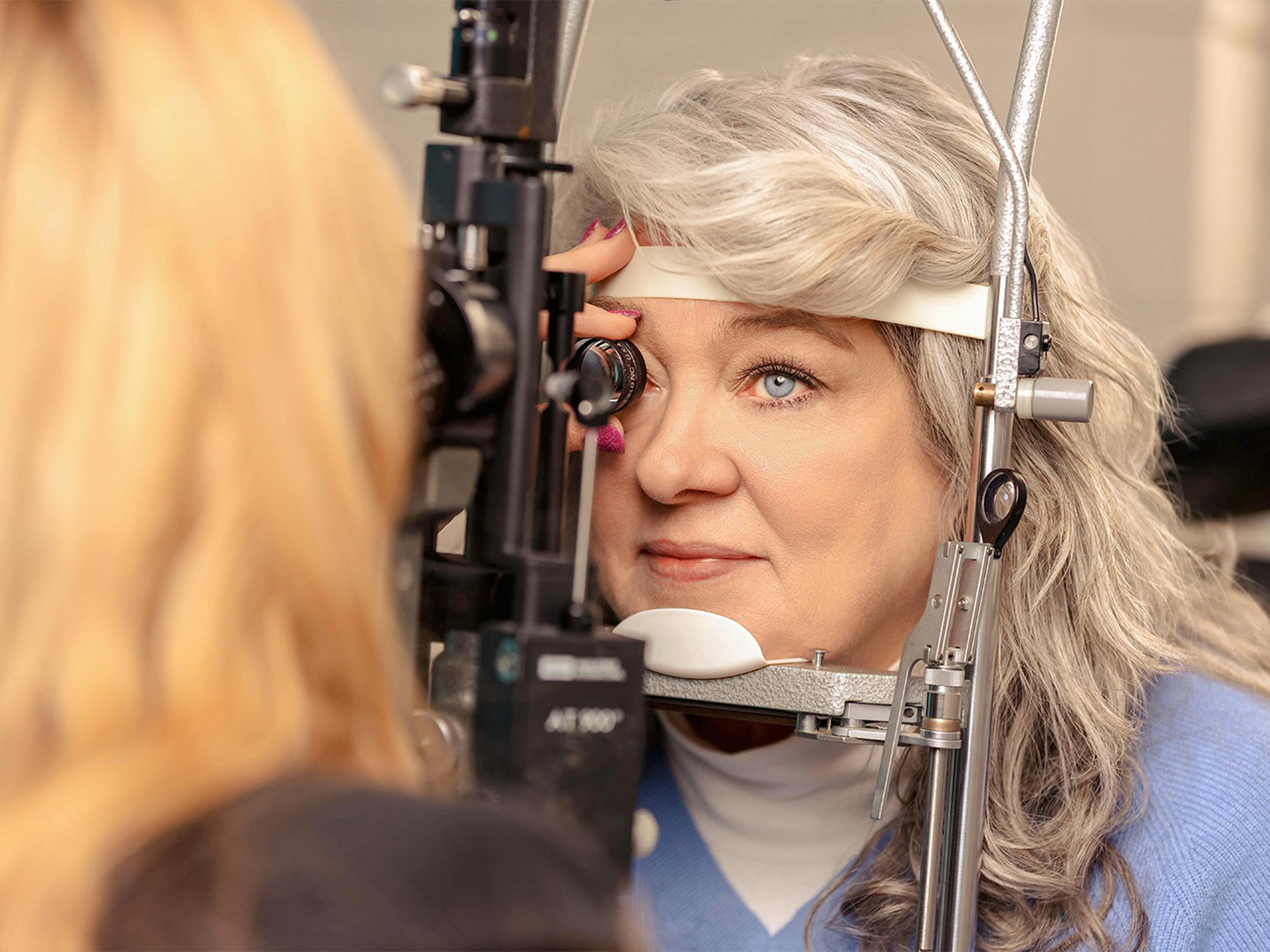
Glaucoma diagnosis involves several components, including measurement of intraocular pressure, examination of the optic nerve, assessment of the drainage angle, corneal thickness measurement, and visual field testing. No single test tells the full story; it's the combination of findings across these assessments that gives your provider a complete picture. At Boling Vision Center, our diagnostic process is thorough and technology-supported, giving our providers the detailed data they need to make accurate assessments and informed treatment recommendations.
How Is Glaucoma Treated?
Treatment depends on the type and stage of glaucoma, but the overarching goal is always the same: to lower intraocular pressure to a level that protects the optic nerve from further damage. Options range from prescription eye drops to laser treatments to minimally invasive surgical procedures to more advanced surgery for cases requiring aggressive pressure reduction. Boling Vision Center's interventional glaucoma approach means we draw from the full range of available tools rather than defaulting to drops alone. Your care plan will be built around your specific disease, lifestyle, and long-term goals.
Do I Have to Take Eye Drops Forever?
Not necessarily. While eye drops have long been the standard first-line treatment for glaucoma, interventional approaches offer real opportunities to reduce or, in some cases, eliminate reliance on daily medications. Laser treatments, minimally invasive procedures, and other interventional options can provide sustained pressure control that drops alone often can't match. For guests who struggle with the demands of a daily drop regimen, whether due to side effects, cost, or simply the challenge of remembering multiple doses each day, these alternatives are absolutely worth exploring with your provider.
Is Glaucoma Hereditary?
Family history is one of the most significant risk factors for glaucoma. If a parent or sibling has been diagnosed, your own risk is meaningfully elevated, and earlier and more frequent monitoring is strongly advisable. That said, having a family history doesn't guarantee you will develop the condition, just as the absence of family history doesn't mean you're without risk. Genetics is one piece of a broader picture that includes age, anatomy, and overall eye health.
How Often Should I Be Seen If I Have Glaucoma?
Monitoring frequency depends on your disease stage, how well your pressure is controlled, and how stable your optic nerve and visual field have been over time. Guests with early, well-controlled glaucoma may be seen every six to twelve months. Those with more advanced disease or pressure that is harder to manage may need more frequent visits. Your provider will establish a monitoring schedule that reflects your individual situation, and that schedule will evolve as your disease does. Staying consistent with your appointments is one of the most important things you can do for your long-term outcomes.
Why Choose Boling Vision Center?
Boling Vision Center's Glaucoma Center combines advanced diagnostics, experienced providers, and a full spectrum of interventional treatment options to deliver care that goes well beyond basic pressure management. Our team takes glaucoma seriously as a lifelong condition, partnering with guests over years and decades to protect as much vision as possible for as long as possible. With a legacy of trust built over 65 years and locations across Northern Indiana, we're the practice guests turn to when they want a team that will stay with them for the long haul.