
Children's eyes are remarkably resilient, but they're also vulnerable to a range of conditions that, left undetected or untreated, can have lasting consequences for vision, development, and quality of life.
Pediatric Eye Conditions
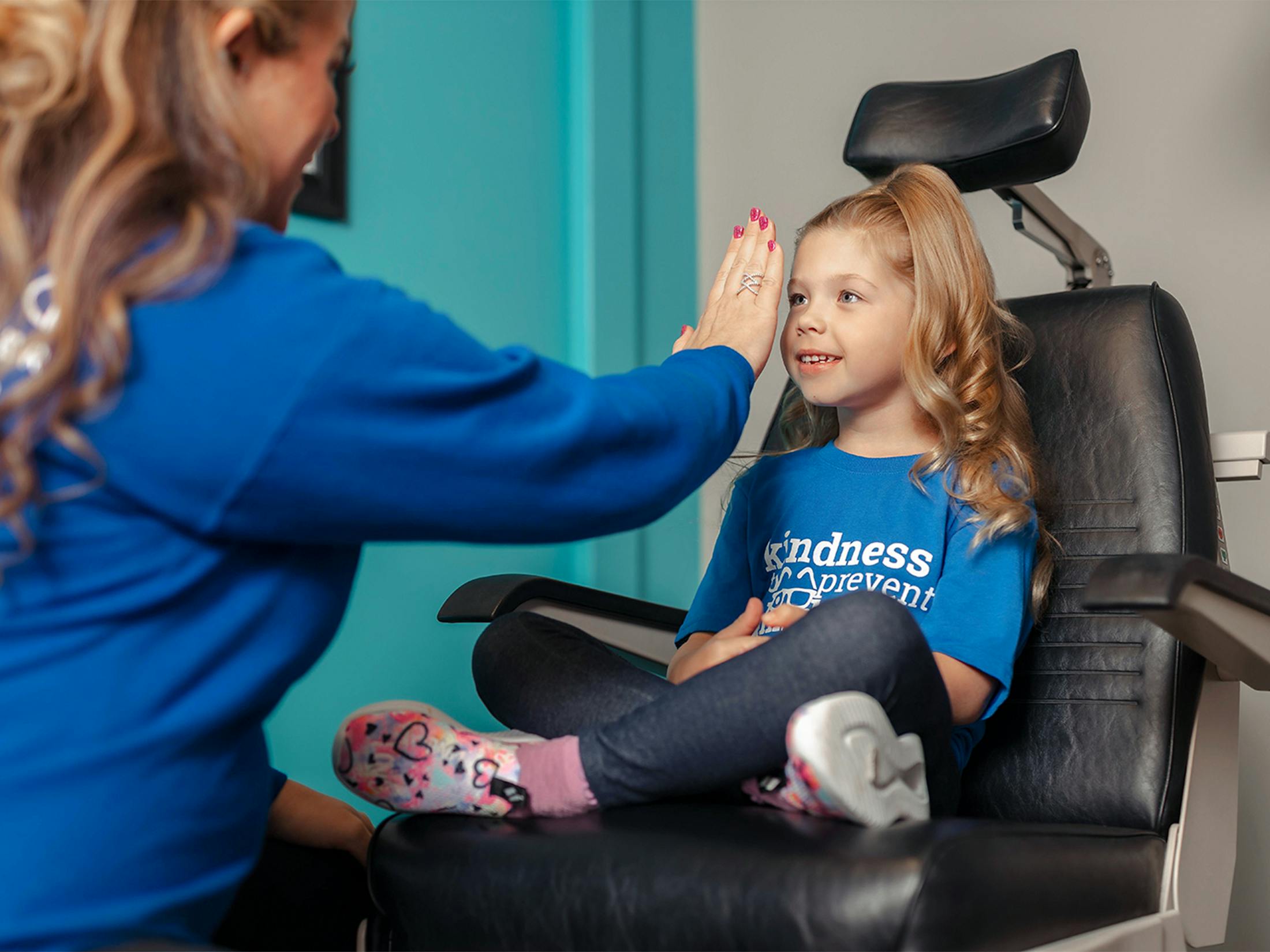

Recognizing and Treating the Conditions That Affect Young Eyes
The visual system is still developing throughout childhood, which means that problems arising during those critical years can shape a child's vision for life. The good news is that most pediatric eye conditions are very treatable, and early detection consistently produces the best outcomes.
At Boling Vision Center's Pediatric Eye Center, we evaluate and manage the full range of conditions affecting children's eyes, from common refractive errors to complex alignment problems and urgent injuries, with the thoroughness and family-centered care every young patient deserves. Schedule a pediatric eye exam at any of our four Northern Indiana locations today.
Conditions We Treat
The following are the primary pediatric eye conditions we evaluate and manage at Boling Vision Center's Pediatric Eye Center.
Amblyopia (Lazy Eye)
Amblyopia (Lazy Eye)
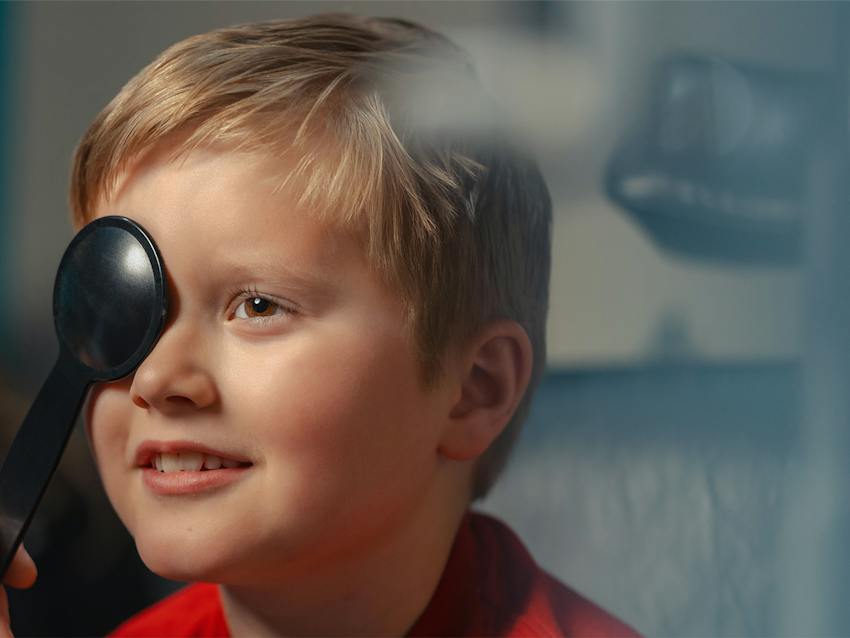
Amblyopia is the most common cause of vision impairment in children, occurring when the brain and one eye fail to develop a strong visual connection during the critical period of development. The brain learns to favor the stronger eye and suppress input from the weaker one, leading to reduced vision that can't be fully corrected with glasses alone. Amblyopia is very treatable when identified early, with treatment options including glasses, patching, and atropine drops. The earlier it's caught, the better the outcome, which is why it's one of the most important conditions we screen for at every pediatric eye exam.
Strabismus (Eye Alignment)
Strabismus (Eye Alignment)
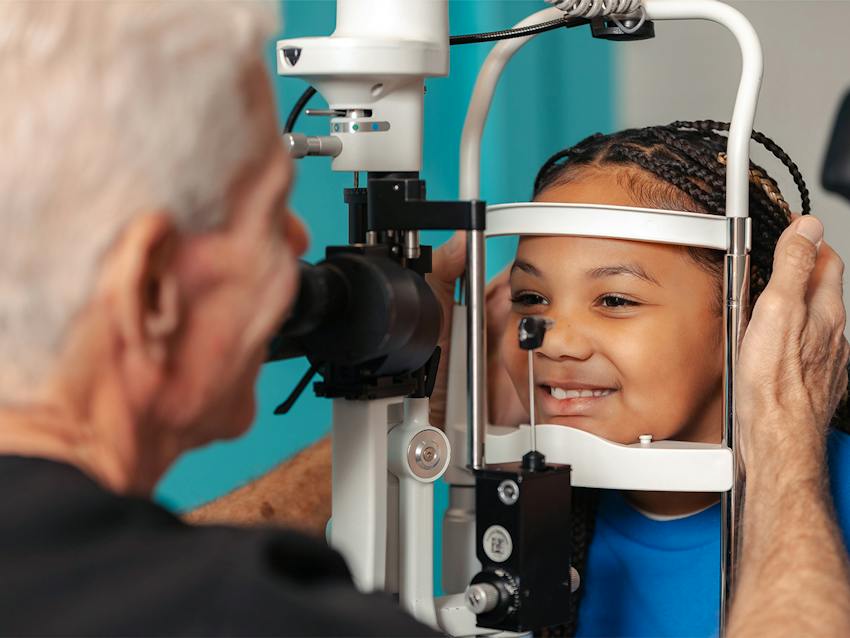
Strabismus is a condition in which the eyes don't point in the same direction, with one eye turning inward, outward, upward, or downward, either constantly or intermittently. It affects roughly four percent of children and does not resolve on its own. Beyond its direct impact on binocular vision and depth perception, strabismus carries a significant risk of amblyopia if left untreated. Treatment options range from glasses and patching to vision therapy and, when necessary, surgical correction of the eye muscles.
Refractive Errors (Nearsighted, Farsighted, and Astigmatism)
Refractive Errors (Nearsighted, Farsighted, and Astigmatism)
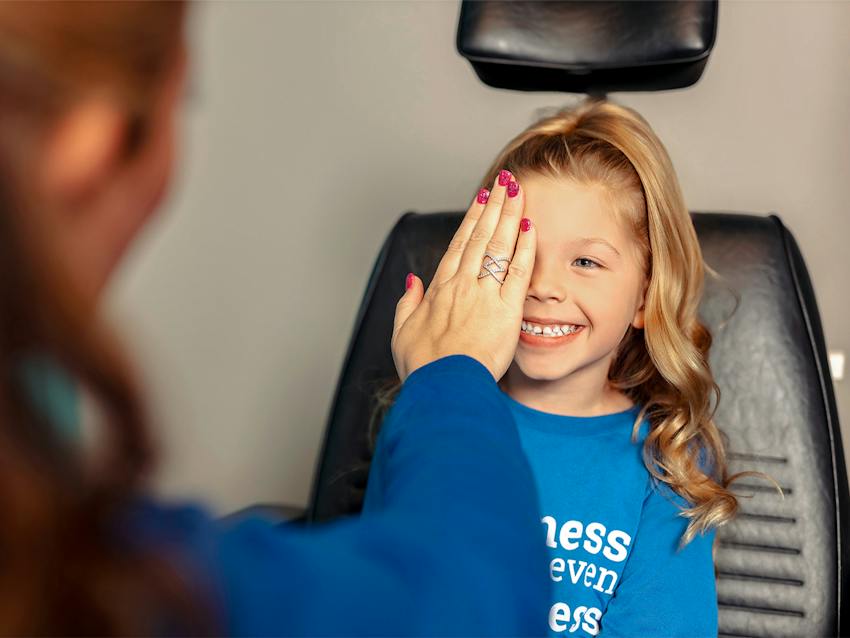
Refractive errors are the most common vision conditions in children. Myopia, hyperopia, and astigmatism all occur when the shape of the eye prevents light from focusing precisely on the retina, producing blurry or distorted vision that affects learning, daily activities, and overall quality of life. Many children with significant refractive errors show no obvious symptoms, making routine eye exams the most reliable way to identify and correct them. Left uncorrected, significant refractive errors can contribute to amblyopia, eye strain, and academic difficulties.
Eye Infection & Irritations
Eye Infection & Irritations
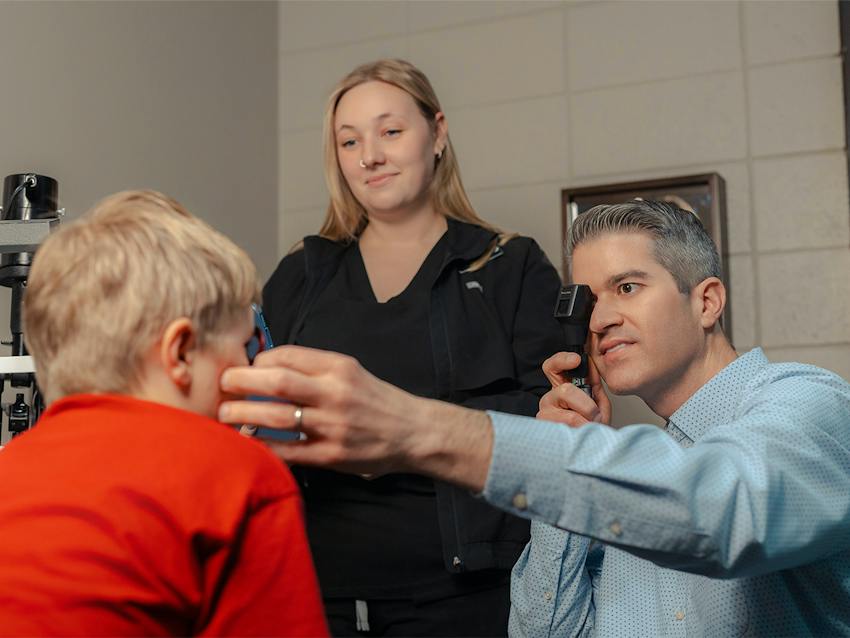
Red, watery, uncomfortable eyes are among the most common reasons parents bring their children in for eye care. Conjunctivitis, styes, blocked tear ducts, allergic eye disease, and foreign body injuries all fall within this category, and while many resolve with appropriate treatment, others require prompt evaluation to prevent complications. Knowing when to seek care and what to expect makes a meaningful difference in how quickly children recover and get back to feeling their best.
Pediatric Eye Injuries
Pediatric Eye Injuries
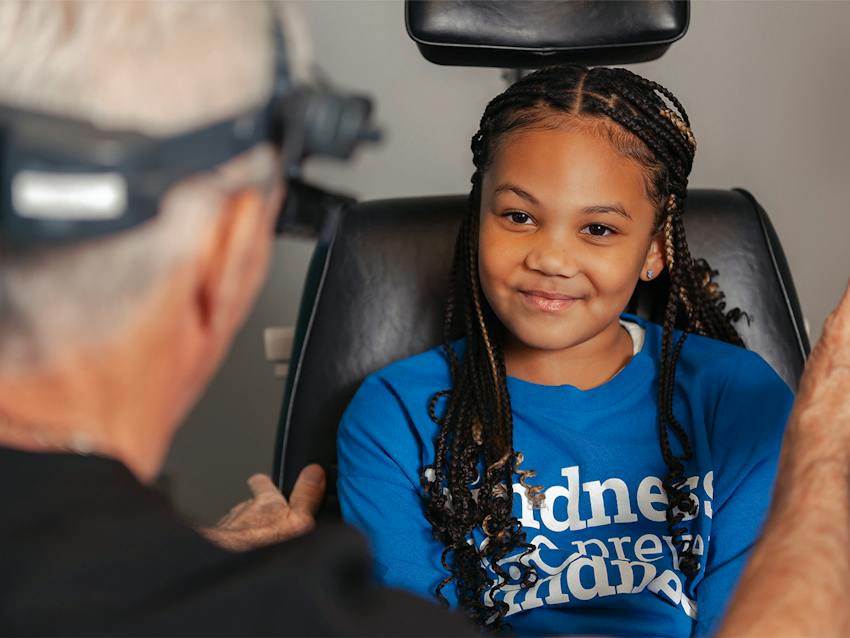
Eye injuries are one of the leading causes of vision loss in children, and they range from minor corneal abrasions and surface foreign bodies to serious blunt trauma, chemical exposures, and penetrating injuries requiring emergency intervention. Knowing how to respond in the first moments after an eye injury, and when to seek emergency care versus an urgent appointment, is something every parent should be familiar with. Our team is equipped to manage pediatric eye injuries across the full spectrum of severity.
Douglas NisleyThe staff was very helpful and pleasant. They spent time discussing any issues and were absolutely friendly.


Why Choose Boling Vision Center?
Boling Vision Center's Pediatric Eye Center brings together the diagnostic tools, treatment expertise, and genuinely child-friendly approach that pediatric eye care demands. With four Northern Indiana locations, an on-site optical lab, and an accredited surgery center, and over 65 years of caring for the families of Michiana, we're the practice parents trust with their children's vision at every stage of childhood. Amazing happens here.
Pediatric Eye Conditions Frequently Asked Questions
How do I know if my child has an eye condition?
Many pediatric eye conditions produce no obvious symptoms, which is why regular comprehensive eye exams are so important. That said, signs worth watching for include squinting, sitting very close to screens, frequent headaches, an eye that appears to turn or wander, tilting the head to see, avoidance of reading, or any complaints of blurry or double vision. If you notice any of these signs, schedule a comprehensive eye exam rather than waiting for a school screening.
Can pediatric eye conditions affect my child's performance at school?
Yes, significantly. Vision is involved in the majority of classroom learning, and uncorrected vision problems can affect reading, writing, concentration, and overall academic performance. Children with undetected vision problems are sometimes misidentified as having attention or behavioral difficulties when the underlying issue is a vision problem, making sustained visual tasks difficult. Correcting the vision problem often produces meaningful improvements in academic experience and behavior.
Are pediatric eye conditions hereditary?
Many are. Myopia, amblyopia, strabismus, and certain eye diseases all have hereditary components, meaning children with a family history of these conditions are at higher risk. If you or your partner have a significant refractive error, amblyopia, or strabismus, earlier and more frequent eye exams for your children are especially important.
My child's teacher thinks they might have a learning disability. Could it be a vision problem instead?
It's possible, and it's worth ruling out a vision problem before pursuing a learning disability evaluation. Vision problems and learning disabilities can produce overlapping symptoms, including difficulty reading, short attention span, and frustration with schoolwork. A comprehensive eye exam is a logical first step. If vision is found to be normal or is fully corrected and concerns persist, evaluation by an educational specialist is the appropriate next step.
What is the difference between a pediatric eye exam and a school vision screening?
A school vision screening is a brief test of distance visual acuity using a standard eye chart. It identifies some obvious vision problems but misses many others, including farsightedness, astigmatism, amblyopia, and eye alignment issues. A comprehensive pediatric eye exam evaluates the full range of visual functions, including each eye individually, binocular function, eye alignment, depth perception, and the health of the eye structures. It is significantly more thorough and is the only reliable way to fully assess a child's visual health.
