Focused Light, Powerful Results

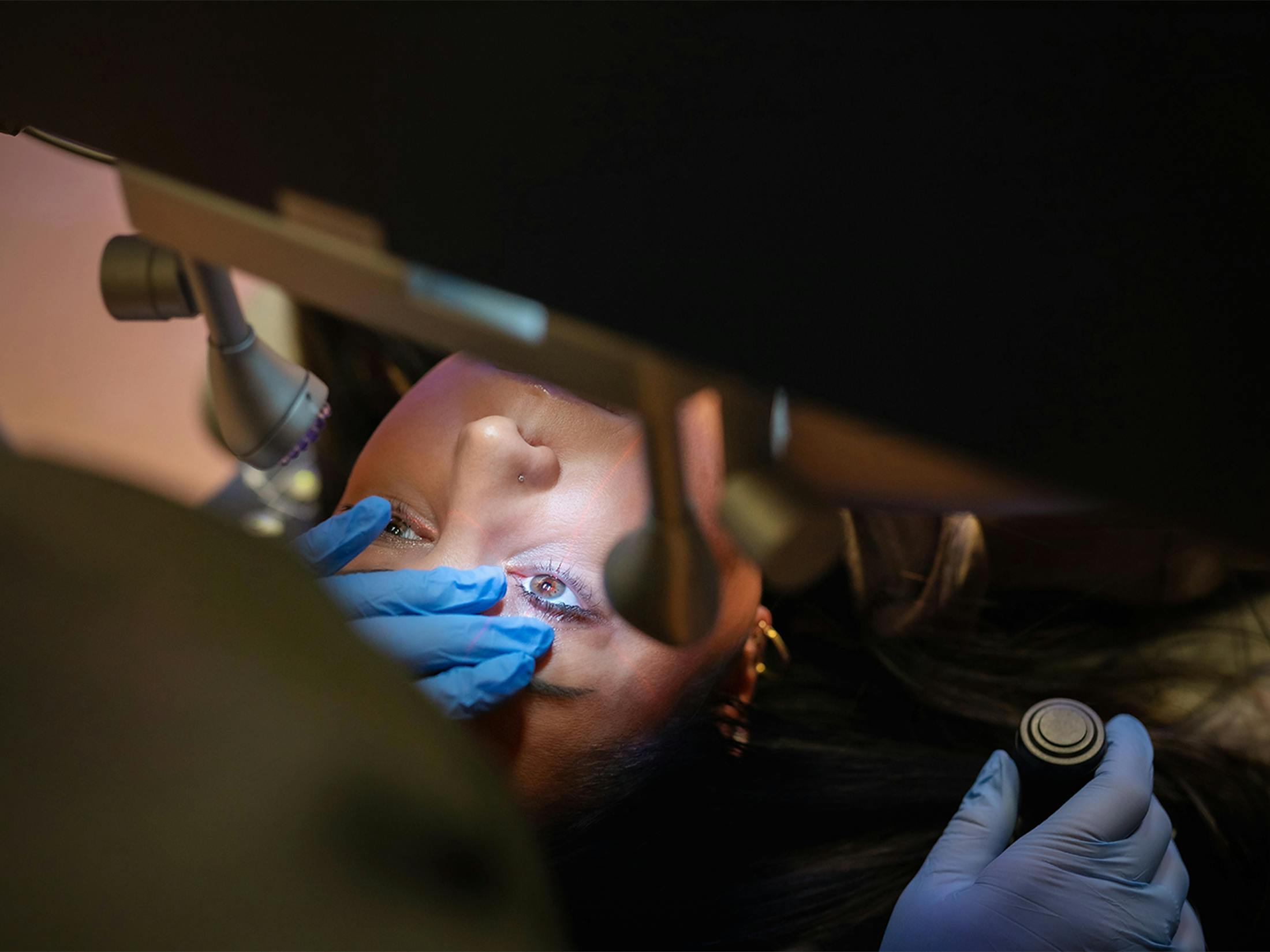
Laser treatment is one of the most established and versatile approaches in retinal care. By delivering focused light energy to precise areas of the retina, laser therapy can seal leaking vessels, reduce abnormal tissue, and protect surrounding retinal structures from further damage.

At Boling Vision Center's Medical Retina Center, retinal laser treatments are performed by experienced providers who know when laser is the right tool and how to use it with precision. 

If you've been referred for laser treatment or want to learn more about your options, schedule an evaluation, and let's talk through what's right for your situation.

How Retinal Laser Therapy Works

Retinal lasers work by delivering precisely controlled light energy to targeted areas of the retina. Depending on the condition being treated, this energy can seal leaking or abnormal blood vessels, destroy damaged tissue, or create small controlled burns that trigger a protective response in the surrounding retina.

Modern laser systems allow our providers to target treatment areas with a high degree of accuracy, minimizing impact on healthy surrounding tissue while achieving the therapeutic effect needed to protect your vision.


Banner media

Conditions Treated With Retinal Lasers

Laser therapy is used across a range of retinal conditions, either as a standalone treatment or in combination with other approaches such as intravitreal injections. Below is an overview of the conditions most commonly addressed with retinal laser at Boling Vision Center.

Diabetic Retinopathy

Laser has long been a mainstay of diabetic retinopathy treatment. Focal laser therapy targets specific leaking vessels in the retina, while panretinal photocoagulation, a broader laser treatment, is used in more advanced cases to reduce the stimulus for abnormal vessel growth.

For guests with proliferative diabetic retinopathy, timely laser treatment can significantly reduce the risk of severe vision loss. It is often used alongside anti-VEGF injections for a more comprehensive treatment approach.

Retinal Vein Occlusion

In certain cases of retinal vein occlusion, particularly when abnormal vessel growth develops in response to poor retinal circulation, laser treatment can reduce neovascularization and lower the risk of serious complications such as vitreous hemorrhage.

Central Serous Chorioretinopathy

For guests with persistent or recurrent central serous chorioretinopathy, laser therapy can be used to seal the leakage point beneath the retina, helping to resolve the fluid accumulation and restore central vision more quickly than observation alone.

Retinal Tears and Lattice Degeneration

Laser can also be used preventively to treat retinal tears or areas of lattice degeneration, a thinning of the peripheral retina that can predispose guests to retinal detachment. By creating a controlled seal around these vulnerable areas, laser treatment reduces the risk of a tear progressing to a more serious detachment.

Dr. Whitney Boiling is very professional, knowledgeable, and patient. She takes the time to explain and answer questions.

All of the staff are extremely polite and helpful. Boiling vision always makes you feel like you are important and they are there to help you. Thank you.

Jennifer Stuck
Quote Background

Types of Retinal Laser Treatment

Not all retinal lasers work the same way, and the right approach depends on the condition being treated and its location within the retina. Our providers select the most appropriate laser modality for each guest's specific situation.

Focal and Grid Laser

Focal laser targets individual leaking blood vessels or small areas of abnormal tissue. Grid laser applies a pattern of light spots to a broader area of the retina affected by fluid or swelling. Both are commonly used in the management of diabetic macular edema and other conditions causing retinal swelling.

Panretinal Photocoagulation

Panretinal photocoagulation, or PRP, applies laser treatment across a wide area of the peripheral retina. It is used in advanced diabetic retinopathy and other conditions involving widespread abnormal vessel growth, reducing the retina's demand for oxygen and helping to suppress neovascularization.

Subthreshold Laser

Subthreshold laser delivers energy at levels below the threshold that causes visible tissue damage, stimulating a cellular response in the retinal pigment epithelium without creating the small burns associated with traditional laser. It is used in certain cases of central serous chorioretinopathy and diabetic macular edema, offering a gentler approach with a favorable side effect profile.

What to Expect at Your Laser Appointment

Knowing what the experience looks like can help ease any uncertainty going into your procedure. Here is a straightforward look at what a typical retinal laser appointment at Boling Vision Center involves.

Before the Procedure

Your eye will be dilated before treatment, and numbing drops will be applied for comfort. A special contact lens is placed on the eye to help focus the laser precisely on the treatment area. Most guests find the preparation process quick and comfortable.

During the Procedure

The laser treatment itself is typically completed within a few minutes, though the total appointment is longer due to preparation and post-procedure instructions. Some guests notice brief flashes of light during treatment; discomfort is generally minimal.

After the Procedure

Vision may be temporarily blurry following the procedure due to dilation and the effects of the treatment itself. Having a driver for your appointment is strongly recommended. Your provider will give you specific aftercare instructions and schedule follow-up imaging to assess your treatment response.

Background media

Laser Versus Injections: Which Is Right for Me?

Laser therapy and intravitreal injections are both effective tools for retinal disease, and they are not mutually exclusive. Many guests receive both as part of a comprehensive care plan, with each treatment addressing a different aspect of their condition.

The decision between laser, injections, or a combination approach depends on the specific condition, its severity, and how it has responded to prior treatment. Your provider will walk you through the reasoning behind every recommendation and make sure you feel confident in your care plan before moving forward.

Why Choose Boling Vision Center?

Boling Vision Center's Medical Retina Center brings together proven treatment technology, experienced retinal providers, and a care environment built around the guest experience.

For conditions requiring laser therapy, precision and provider experience matter enormously. Our team applies retinal laser treatment with the careful judgment and technical skill that comes from years of focused retinal practice.

With four Northern Indiana locations and over 65 years of trusted community care, Boling is the practice retinal guests rely on for expert, attentive care close to home. Amazing happens here.

Richard Boling II

Frequently Asked Questions Lasers

Does retinal laser treatment hurt?

Most guests tolerate retinal laser treatment well. Numbing drops are applied beforehand, and discomfort during the procedure is generally minimal. Some guests notice brief sensations of light or mild pressure; your provider will make sure you're as comfortable as possible throughout.

Will laser treatment restore my vision?

The primary goal of most retinal laser treatments is to stabilize vision and prevent further deterioration rather than restore lost sight. In some cases, such as resolving fluid in central serous chorioretinopathy, vision improvement is possible. Your provider will set clear, realistic expectations based on your specific condition.

How many laser sessions will I need?

This depends on the condition being treated and your response to initial treatment. Some conditions are addressed in a single session; others may require additional treatment over time. Your provider will monitor your progress closely and recommend further treatment only when it's genuinely warranted.

Can laser treatment be combined with injections?

Yes, and in many cases, a combined approach delivers better outcomes than either treatment alone. Laser and anti-VEGF injections address different aspects of retinal disease and work well together for conditions like diabetic retinopathy and retinal vein occlusion.

Are retinal laser treatments covered by insurance?

Retinal laser procedures for medically necessary conditions are generally covered by Medicare and most major insurance plans. Our team can help clarify your specific coverage before your appointment so there are no surprises.

Amazing Happens Here

Three generations. One unwavering standard.

Contact Us
Accessibility: If you are vision-impaired or have some other impairment covered by the Americans with Disabilities Act or a similar law, and you wish to discuss potential accommodations related to using this website, please contact our Accessibility Manager at (574) 293-3545.
Contact Us