More Than a Prescription Check

Most people think of an eye exam as something you do when your vision gets blurry or your glasses stop working. But a comprehensive eye exam is far more than a prescription update. It's a thorough evaluation of the health of your eyes, a screen for conditions that can steal vision silently before symptoms ever appear, and in many cases, a window into your overall systemic health that can reveal signs of disease well before other providers detect them.

At Boling Vision Center's Comprehensive Eye Care & Wellness Center, we approach every adult and senior eye exam with the thoroughness, attentiveness, and whole-person perspective that genuine preventive care requires. Schedule your comprehensive eye exam at any of our four Northern Indiana locations today.

What a Comprehensive Eye Exam Includes

A comprehensive eye exam at Boling Vision Center covers far more ground than a vision screening or a basic glasses check.

Visual Acuity Assessment

We measure how clearly you see at distance and near, establishing whether a refractive correction is needed or whether your current prescription remains accurate.

Refraction

A careful refraction determines the precise lens prescription needed to give you the clearest possible vision, whether that's expressed in glasses, contact lenses, or used to evaluate your candidacy for vision correction procedures.

Eye Health Evaluation

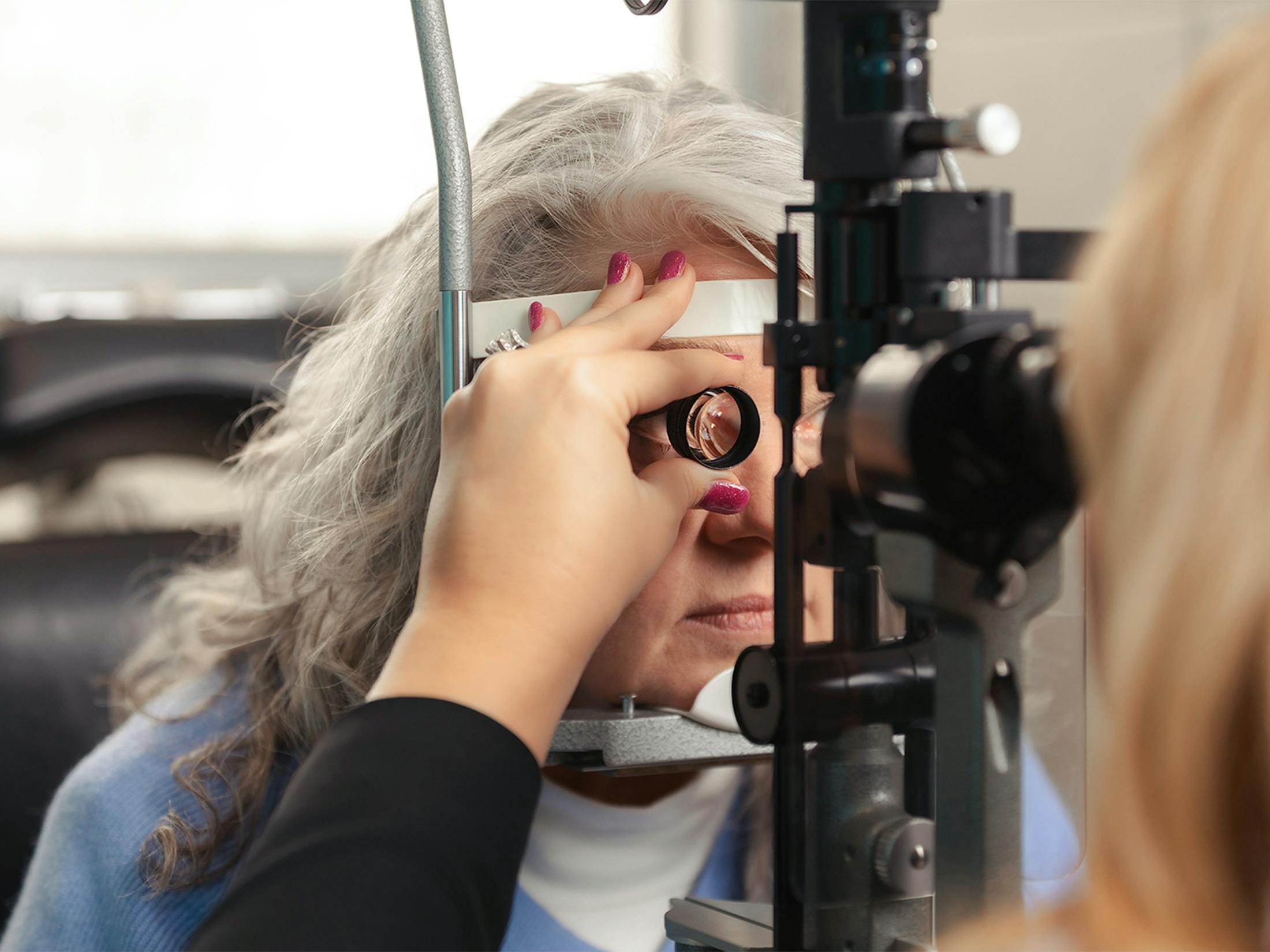
Using a slit-lamp biomicroscope, we examine the anterior segment of the eye in detail, assessing the cornea, lens, iris, and other structures for signs of disease or change.

Dilated Fundus Examination

Dilation allows a thorough view of the retina, optic nerve, and blood vessels at the back of the eye. This is one of the most important components of a comprehensive exam, as it reveals signs of conditions including macular degeneration, diabetic retinopathy, glaucoma, and retinal disease that may be completely asymptomatic in their early stages.

Intraocular Pressure Measurement

Measuring the pressure within the eye is a standard component of every comprehensive exam and an essential screening tool for glaucoma.

Visual Field Testing

When indicated, visual field testing evaluates peripheral vision and helps detect early signs of glaucoma, neurological conditions, and other diseases that can affect the visual pathway before central vision is affected.

Advanced Imaging

At Boling Vision Center, we have access to advanced diagnostic imaging technology, including optical coherence tomography (OCT), that provides detailed cross-sectional views of the retina and optic nerve. This imaging can detect subtle changes years before they would be visible on standard examination, giving us a significant head start on treatment when it matters most.

Background media

Preventive Eye Care & Early Detection

Many of the most serious eye conditions develop silently, without pain or obvious symptoms, until significant and sometimes irreversible damage has already occurred.


The Conditions We Screen For

Regular comprehensive eye exams are the primary tool for catching serious eye conditions early, when treatment is most effective, and vision loss is most preventable. Conditions we routinely screen for include:

  • Glaucoma: Often called the silent thief of sight, glaucoma can rob a person of significant peripheral vision before they notice any change. Early detection through regular intraocular pressure measurement, optic nerve evaluation, and visual field testing allows us to begin treatment that can halt or significantly slow progression.
  • Age-related macular degeneration: The leading cause of vision loss in adults over fifty in the United States. In its early stages, it produces no symptoms, and by the time vision changes are noticed, meaningful damage may already have occurred. Regular retinal evaluation and advanced imaging allow us to detect AMD at its earliest stages and monitor it closely.
  • Diabetic retinopathy: A leading cause of blindness in working-age adults, affecting a significant proportion of people with diabetes. Annual dilated eye exams are a standard of care for anyone with diabetes, as early detection and treatment dramatically reduce the risk of vision loss.
  • Hypertensive retinopathy: High blood pressure can cause changes to the blood vessels in the retina that are visible during a dilated exam, often before a guest is aware of any cardiovascular concerns.
  • Cataracts: The gradual clouding of the eye's natural lens is a normal part of aging, but regular monitoring allows us to track progression and advise on the right time to consider surgical correction.
  • Retinal tears and detachments: Caught early, a retinal tear can be treated quickly and effectively. Left undetected, it can progress to a detachment with serious consequences for vision.
  • Systemic disease: In many cases, the eye is where signs of undiagnosed diabetes, hypertension, elevated cholesterol, neurological conditions, and other systemic diseases appear first, making the eye exam an important part of overall health monitoring.

The Eye as a Window to Overall Health

At Boling Vision Center, our providers are trained to look beyond isolated eye findings and consider the whole person. It is not uncommon for a routine eye exam at our practice to reveal signs of undiagnosed diabetes, hypertension, elevated cholesterol, multiple sclerosis, or other systemic conditions that prompt a referral to the appropriate specialist. This whole-person diagnostic approach is one of the things that sets Boling Vision Center apart. We don't just look at your eyes; we look at what your eyes are telling us about your health.

Schedule A Consultation

Contact Us
Contact us media

I’ve received truly outstanding care at Boling Vision Center in Elkhart! Every staff member I’ve encountered has been exceptionally kind, professional, and helpful. I’m so grateful for the level of attention and care they provide!

Tiffany Miller
Quote Background

Managing Chronic Eye Conditions

For guests with diagnosed chronic eye conditions, regular eye exams take on an additional layer of importance. Monitoring disease activity, assessing treatment effectiveness, and catching any progression or complications early are all functions that regular follow-up visits serve.

Glaucoma Management

Glaucoma is a lifelong condition requiring ongoing monitoring and treatment adjustment. Regular follow-up allows us to track intraocular pressure, assess optic nerve health over time, and ensure that treatment is effectively protecting the visual field. When standard treatments aren't achieving adequate control, Boling Vision Center's interventional glaucoma options provide additional pathways to better outcomes.

Diabetic Eye Disease

For guests with diabetes, annual dilated eye exams are essential. We monitor for the earliest signs of diabetic retinopathy and diabetic macular edema, document any changes over time, and coordinate with the guest's endocrinologist or primary care provider to ensure that systemic disease management and eye care are aligned.

Age-Related Macular Degeneration

For guests with diagnosed AMD, regular monitoring is the cornerstone of management. We assess for progression from dry to wet AMD, monitor the response to any ongoing treatment, and offer access to the latest therapeutic options, including Valeda light therapy for eligible guests.

Other Chronic Conditions

Guests with a history of retinal disease, corneal conditions, uveitis, thyroid eye disease, or other chronic ocular conditions receive tailored follow-up schedules and monitoring plans designed around their specific situation. Our goal is always to stay ahead of the disease rather than react to it.

Older Woman smiling

How Often Should Adults Have Eye Exams?

The right frequency for eye exams depends on age, overall health, and whether any eye conditions are present or at elevated risk. General guidelines for adults without known eye conditions include:

  • Ages 18 to 39: A comprehensive eye exam every two years, or annually if contact lenses are worn or risk factors are present.
  • Ages 40 to 64: Annual comprehensive eye exams, as the risk of age-related conditions, including glaucoma, cataracts, and macular degeneration, begins to increase meaningfully.
  • Ages 65 and older: Annual comprehensive eye exams, as the risk of sight-threatening conditions is highest in this group, and early detection is most critical.

For guests with diabetes, a family history of glaucoma or macular degeneration, or other risk factors, annual exams are recommended regardless of age. Your provider will advise on the most appropriate schedule for your individual situation.

What to Expect at Your Appointment

A comprehensive adult eye exam at Boling Vision Center is a thorough, unhurried experience. Plan for an appointment of roughly 45 minutes to an hour, and longer if dilation or additional testing is needed. We recommend bringing your current glasses and contact lenses, a list of any medications you take, and your insurance information.

If you have a family history of eye disease, particularly glaucoma or macular degeneration, let us know so we can ensure the appropriate screening is included. Because dilation temporarily affects near vision and light sensitivity, arranging a driver for the trip home is a good idea, particularly for older guests or those having their eyes dilated for the first time.

Banner media

Why Choose Boling Vision Center?

At Boling Vision Center's Comprehensive Eye Care & Wellness Center, a routine eye exam is anything but routine. Our providers are trained to look at the full picture of eye and systemic health, equipped with advanced imaging technology, and committed to the kind of thorough, attentive care that catches what others miss.  With four Northern Indiana locations, same-day appointments for urgent concerns, and over 65 years of trusted community care, we're the practice adults and seniors throughout Michiana rely on for the eye care they deserve. Amazing happens here.

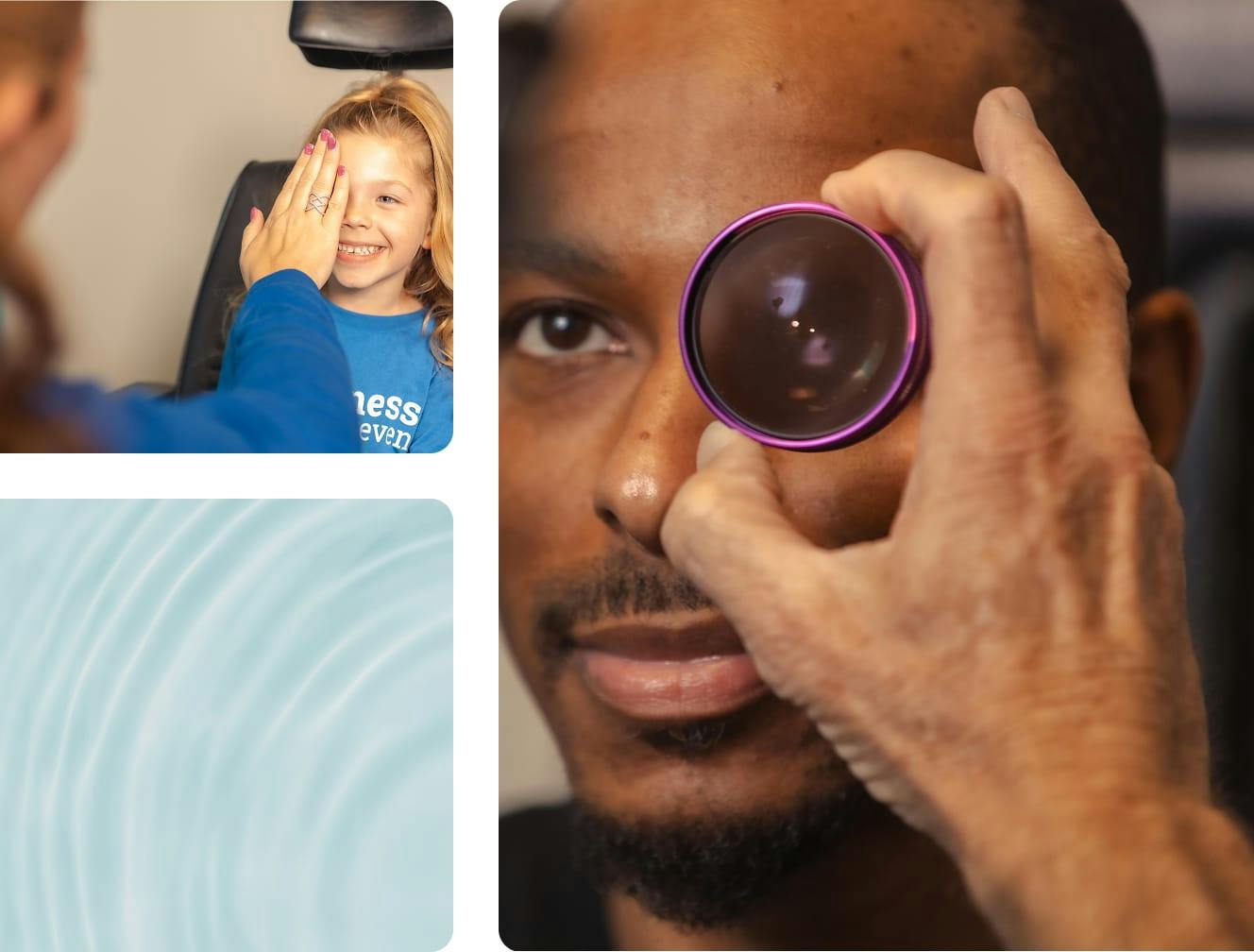
man getting his eye checked | child getting her eye checked | abstract art

Routine Eye Exam Frequently Asked Questions

Do I need an eye exam if my vision seems fine?

Yes. Many serious eye conditions, including glaucoma, early macular degeneration, and diabetic retinopathy, develop without any noticeable change in vision until significant damage has occurred. A comprehensive eye exam detects these conditions in their earliest, most treatable stages, regardless of whether vision seems normal.

What is the difference between a comprehensive eye exam and a vision screening?

A vision screening is a brief test of distance visual acuity. It identifies some obvious refractive problems but misses the majority of what a comprehensive eye exam evaluates, including eye health, intraocular pressure, retinal health, and early signs of disease. A comprehensive exam is significantly more thorough and is the only reliable way to fully assess both vision and eye health.

Can an eye exam really detect other health conditions?

Yes. The blood vessels, optic nerve, and other structures visible during a dilated eye exam can show signs of diabetes, hypertension, high cholesterol, neurological conditions, and other systemic diseases. In some cases, an eye exam is where these conditions are first detected, prompting referrals that lead to earlier diagnosis and treatment.

Is dilation necessary at every exam?

Not necessarily at every visit, though it is an important part of a comprehensive exam and is particularly important for older adults and anyone with risk factors for retinal or optic nerve disease. Your provider will advise whether dilation is needed based on your age, history, and the findings of the exam.

My eyes feel healthy. Why should I come in annually?

The absence of symptoms is not the same as the absence of disease. Glaucoma, for example, can destroy a significant portion of peripheral vision before any noticeable change occurs. Annual exams allow us to establish a baseline, track subtle changes over time, and catch anything that needs attention while it's still in its most treatable stage.

Amazing Happens Here

Three generations. One unwavering standard.

Contact Us
Accessibility: If you are vision-impaired or have some other impairment covered by the Americans with Disabilities Act or a similar law, and you wish to discuss potential accommodations related to using this website, please contact our Accessibility Manager at (574) 293-3545.
Contact Us