When Recovery Needs a Little More Support

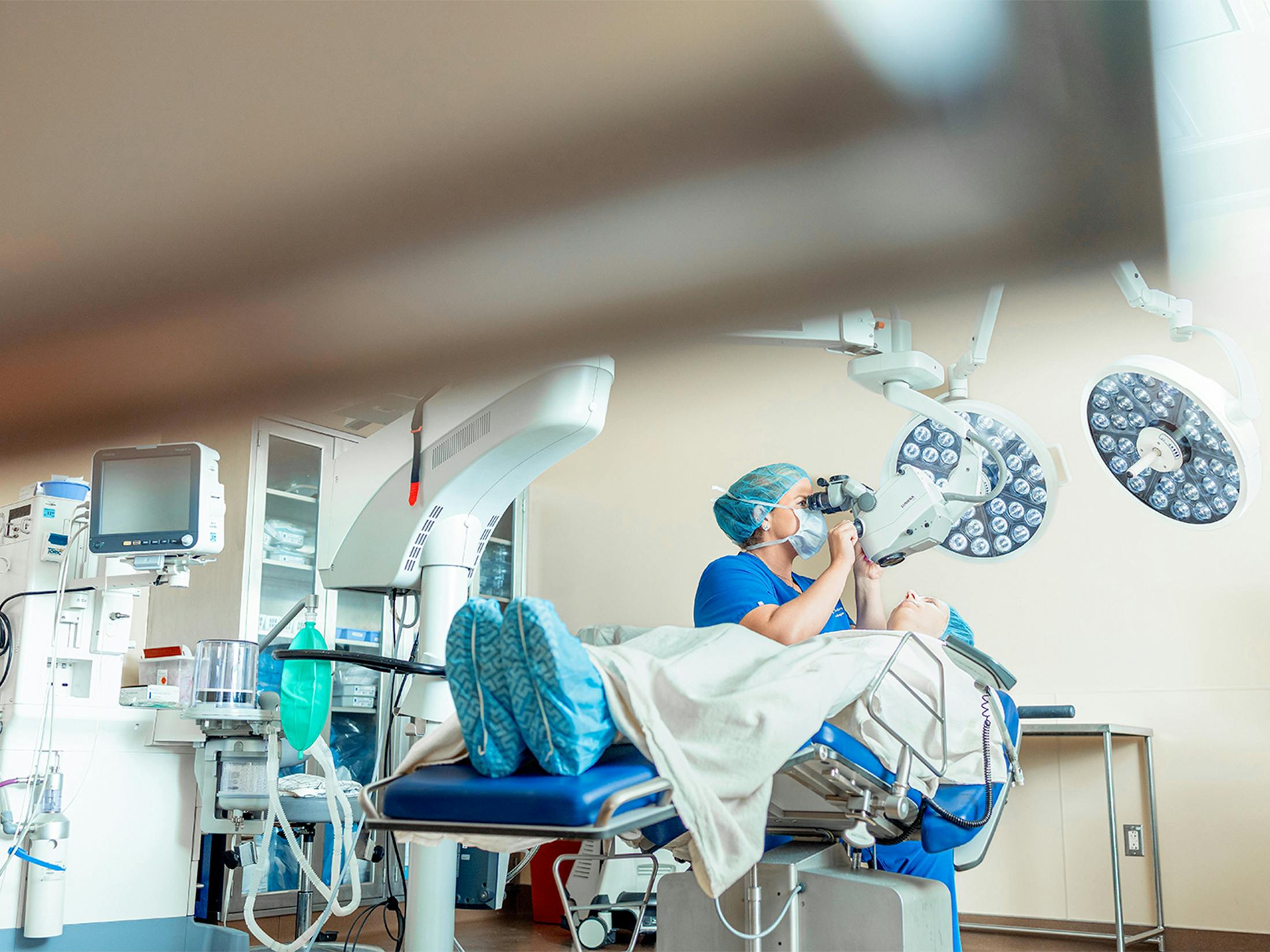
Modern eye surgery is safer and more precise than ever, but the ocular surface, the intricate ecosystem of cornea, conjunctiva, eyelids, and tear film, can be significantly disrupted by surgical procedures. Whether you've had cataract surgery, LASIK, a corneal transplant, or another ophthalmic procedure, post-surgical surface changes are more common than most guests realize, and they're very treatable when addressed by the right team.

At Boling Vision Center's Cornea & Ocular Surface Center, we specialize in recognizing and managing the surface complications that can follow eye surgery, helping guests achieve the visual quality and comfort their procedure was meant to deliver. If your vision or comfort hasn't met your expectations after eye surgery, we'd welcome the chance to take a closer look. Schedule a post-surgical evaluation at any of our four Northern Indiana locations.

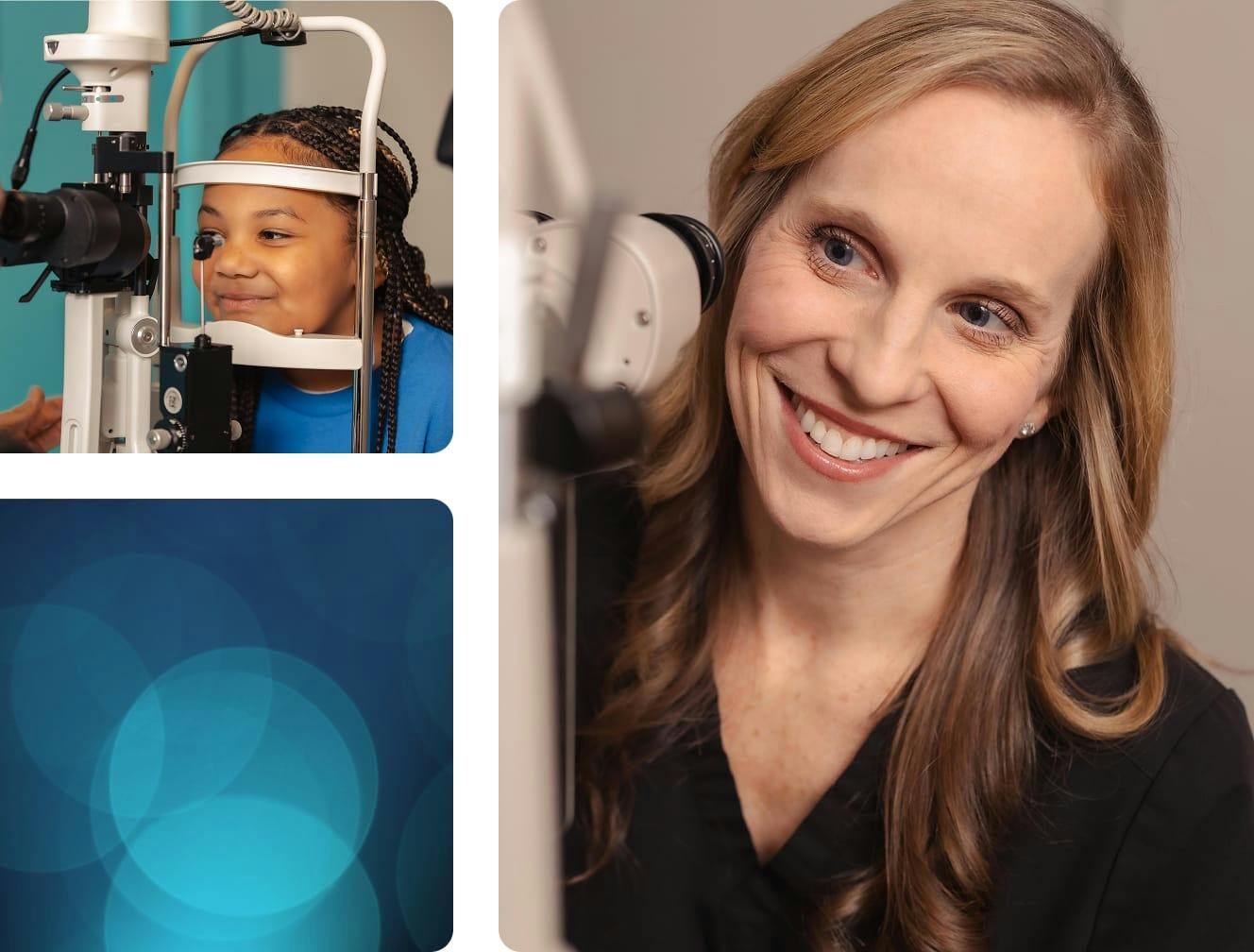
woman smiling

Why Eye Surgery Affects the Ocular Surface

The ocular surface is a finely balanced system. Surgical incisions, laser energy, instrument contact, and even the preservatives in perioperative eye drops can all disrupt the corneal nerves, tear film, and surface cell layers that keep the eye comfortable and optically clear.

In many cases, these changes are temporary, resolving as the eye heals. In others, they persist or progress in ways that affect vision quality, comfort, and daily function long after the procedure itself is considered complete.

Understanding what's happening on the surface, and why, is the first step toward getting it right.


Schedule A Consultation

Contact Us
Contact us media

Conditions We Treat

Post-surgical surface complications take many forms, and the right treatment depends entirely on understanding which ones are present and why. The following are the conditions we most commonly address in this setting.

Post-Surgical Dry Eye Disease

Dry eye is one of the most common surface complications following eye surgery, particularly LASIK, cataract surgery, and other corneal procedures. Surgical incisions can sever corneal nerves that regulate tear production and the blink reflex, reducing the eye's ability to maintain a stable tear film. Symptoms include dryness, burning, fluctuating vision, light sensitivity, and a persistent foreign body sensation. For some guests, these symptoms develop or worsen noticeably after a procedure that was otherwise successful, which can be frustrating and confusing. At Boling Vision Center, we take post-surgical dry eye seriously. We investigate the underlying mechanisms, whether that involves tear production, tear quality, evaporation, or eyelid function, and tailor treatment accordingly rather than defaulting to a one-size-fits-all approach.

Corneal Epithelial Irregularities

The corneal epithelium, the outermost cell layer of the cornea, can be disrupted by surgical trauma, prolonged contact with instruments or dressings, or secondary effects like dry eye and inflammation. When the epithelium heals unevenly, it can create surface irregularities that scatter light and reduce visual quality even when the underlying surgical result is excellent.

We use advanced corneal imaging to map the epithelial surface in detail, identifying irregularities that may be contributing to blurry or fluctuating vision, and offer targeted therapies to support healthy re-epithelialization.

Persistent Epithelial Defects

In some cases, a section of the corneal surface fails to heal completely after surgery, leaving a persistent epithelial defect that causes pain, light sensitivity, and an increased risk of infection. This is most commonly seen following corneal transplantation, ocular surface reconstruction, or surgery in guests with underlying surface disease or neurotrophic conditions. Persistent epithelial defects require prompt, attentive management. Treatment may involve therapeutic contact lenses, amniotic membrane application, lubricating therapies, and, in select cases, more advanced interventions to stimulate healing.

Post-Surgical Corneal Haze

Following certain procedures, particularly PRK and surface ablation, the cornea can develop a degree of haze during healing. While mild haze often resolves on its own, more significant haze can affect visual clarity and may require intervention.

Our team monitors corneal clarity closely following any surface procedure and can recommend targeted therapies when haze is affecting visual outcomes.

Inflammation and Ocular Surface Breakdown

Surgical trauma, preserved medications, and immune responses can all trigger ocular surface inflammation that, if left unaddressed, perpetuates a cycle of surface breakdown, discomfort, and impaired healing. Identifying and interrupting that cycle is central to what we do in post-surgical surface care.

Graft Surface Management Following Corneal Transplantation

Corneal transplant recipients face a unique set of post-surgical surface challenges, including epithelial irregularity over the graft, suture-related complications, and dry eye related to altered corneal sensation. We work closely with transplant guests to monitor the graft surface, optimize the tear environment, and support the long-term health of the transplanted tissue.

Loved everything about our visit!! Loved the vibe of the office. Everyone seemed very laid back/chill but still professional!

Monica Amaya
Quote Background

Our Approach to Post-Surgical Care

Every guest who comes to us with post-surgical surface concerns receives a thorough, individualized evaluation before any treatment is recommended. We don't assume; we investigate.

Advanced Diagnostic Evaluation

Every post-surgical surface assessment at Boling Vision Center begins with a thorough evaluation using the same advanced imaging tools we use for primary corneal and ocular surface conditions: corneal topography and tomography, anterior segment OCT, tear film analysis, and meibomian gland imaging. This gives us a complete picture of what's happening on and beneath the surface before we make any treatment recommendations.

Targeted, Layered Treatment

Post-surgical surface care rarely responds to a single intervention. We approach it with a layered strategy, addressing the root causes of surface disruption rather than just managing symptoms. Depending on your situation, treatment may include:

  • Preservative-free lubrication and tear film support
  • Anti-inflammatory therapy to quiet surface inflammation
  • Specialty contact lenses, including scleral lenses, to protect and rehabilitate the corneal surface
  • Meibomian gland treatments to restore the lipid layer of the tear film
  • Amniotic membrane therapy for persistent epithelial defects or severe surface breakdown
  • Neurotrophic therapies to support corneal nerve regeneration, where appropriate

Coordination with Your Surgical Team

When guests come to us following surgery performed elsewhere, we approach their care collaboratively. Our goal is to help you achieve the outcome your original procedure was designed to deliver, and we're happy to communicate with your surgical team as part of that process.

Who Can Benefit from Post-Surgical Surface Services?

These services are appropriate for guests who are experiencing any of the following after eye surgery:

  • Dry eye symptoms that developed or worsened following a procedure
  • Blurry, fluctuating, or reduced-quality vision that hasn't resolved with time
  • Persistent discomfort, burning, or foreign body sensation
  • Light sensitivity that continues well beyond the expected recovery period
  • Slow or incomplete healing of the corneal surface
  • Concerns about corneal clarity or surface health following a transplant

You don't need to have had your surgery at Boling Vision Center to receive post-surgical surface care here. We see guests from across Northern Indiana and beyond who are seeking answers and relief after procedures performed elsewhere.

Banner media

Why Choose Boling Vision Center?

Boling Vision Center's Cornea & Ocular Surface Center combines the diagnostic tools, treatment options, and clinical depth to address the full range of post-surgical surface challenges. With four locations across Northern Indiana, an on-site accredited surgery center, and a team known throughout the region for taking complex cases seriously, we're the practice guests and physicians turn to when the standard approach isn't enough. Amazing happens here.

Megan Heil

Frequently Asked Questions Post-Surgical Surface Services

How long after surgery can post-surgical surface problems develop?

Surface complications can emerge at different points in the recovery timeline. Some, like dry eye or epithelial irregularity, may be apparent within the first weeks after surgery. Others, like persistent inflammation or graft surface issues following corneal transplantation, can develop or evolve over months. If something doesn't feel right during your recovery, it's worth having it evaluated regardless of how much time has passed.

Do I need a referral to be seen for post-surgical surface concerns?

No. You're welcome to schedule a post-surgical surface evaluation at Boling Vision Center directly, whether your original surgery was performed here or elsewhere.

Can post-surgical dry eye be permanent?

In many cases, post-surgical dry eye improves as corneal nerves regenerate over time, a process that can take months to years, depending on the procedure and the individual. For some guests, ongoing management is needed long-term. Early, targeted treatment gives the best chance of meaningful improvement.

What is amniotic membrane therapy, and when is it used?

Amniotic membrane is a biological tissue with anti-inflammatory and healing-promoting properties that can be applied to the ocular surface to support healing in cases of persistent epithelial defects, severe dry eye, or significant surface breakdown. It can be used as a temporary bandage or, in some formulations, applied in the office as a self-retained treatment.

I had LASIK years ago and now have dry eye. Could they be related?

Possibly, yes. LASIK can affect corneal nerve density and function in ways that alter tear regulation, and for some guests, dry eye symptoms that began or worsened after LASIK persist for years. An evaluation of your corneal nerve health and tear film can help clarify the relationship and guide appropriate treatment.

Amazing Happens Here

Three generations. One unwavering standard.

Contact Us
Accessibility: If you are vision-impaired or have some other impairment covered by the Americans with Disabilities Act or a similar law, and you wish to discuss potential accommodations related to using this website, please contact our Accessibility Manager at (574) 293-3545.
Contact Us