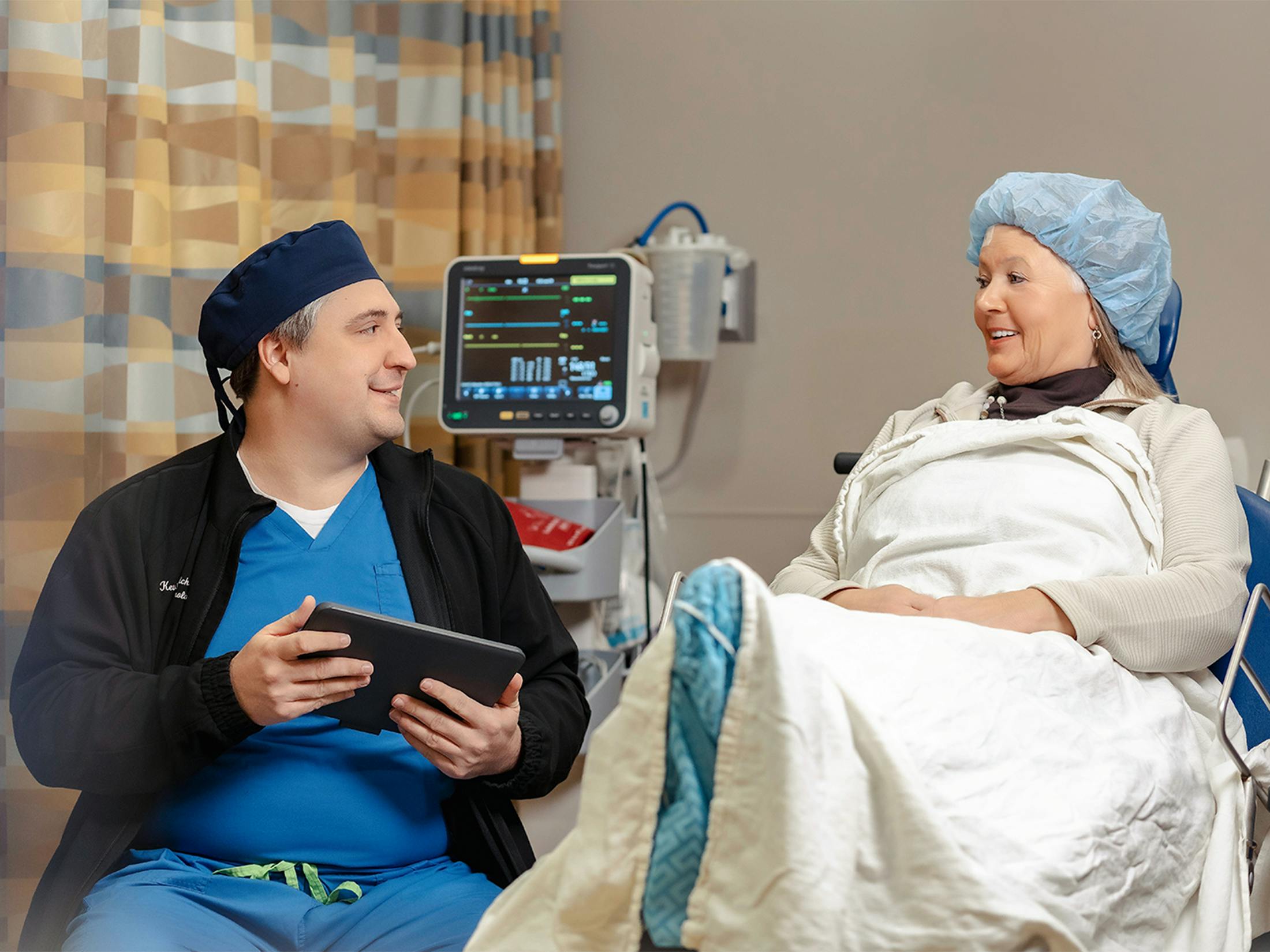
Preparation Is Part of the Process

At Boling Vision Center, surgical preparation begins well before the day of your procedure. From the pre-operative evaluation through recovery and follow-up, our team guides every guest through each step with clear instructions, genuine attentiveness, and the reassurance that comes from being cared for by a team that knows your case completely.

This page covers the general preparation guidelines that apply across most procedures performed at our practice. You will also receive procedure-specific instructions tailored to your individual situation at your pre-operative appointment.

Pre-Operative Instructions

Your pre-operative appointment will include procedure-specific instructions tailored to your individual situation, but the following general guidelines apply to most surgical appointments at Boling Vision Center.

Banner media

General Guidelines

While specific instructions vary by procedure, the following general guidelines apply to most surgical appointments at Boling Vision Center:

  • Medications: Continue all prescribed medications unless specifically instructed otherwise by your provider. Certain blood thinners, supplements, and other medications may need to be paused before surgery. Your provider will give you explicit guidance at your pre-operative appointment.
  • Eye drops: If pre-operative eye drops have been prescribed, begin using them exactly as instructed and on the schedule provided. Do not skip doses in the days leading up to surgery.
  • Contact lenses: Remove contact lenses before your pre-operative evaluation and before surgery as directed. Specific timelines vary by lens type and procedure and will be confirmed at your pre-operative appointment.
  • Eye makeup and skincare: Do not wear eye makeup, mascara, eyeliner, or eye cream on the day of surgery. Avoid applying perfume, cologne, hairspray, or aftershave on surgery day, as these products can interfere with the surgical environment.
  • Eating and drinking: For procedures performed with IV sedation, you will receive specific fasting instructions regarding food and liquids before surgery. Follow these instructions exactly. For procedures performed with topical anesthesia only, fasting is generally not required, though your surgical coordinator will confirm.
  • Illness: If you develop an illness, cold, or infection in the days before your scheduled procedure, contact us promptly. Proceeding with surgery while unwell may affect outcomes and safety, and your provider will advise on whether rescheduling is appropriate.

Tear Film Preparation

For many ophthalmic procedures, particularly cataract surgery, lens implant procedures, and corneal surgery, optimizing the tear film before surgery significantly supports the best possible visual outcome. If tear film preparation has been recommended as part of your pre-operative plan, including lubricating drops and warming mask use, follow the prescribed regimen consistently in the weeks leading up to your procedure.

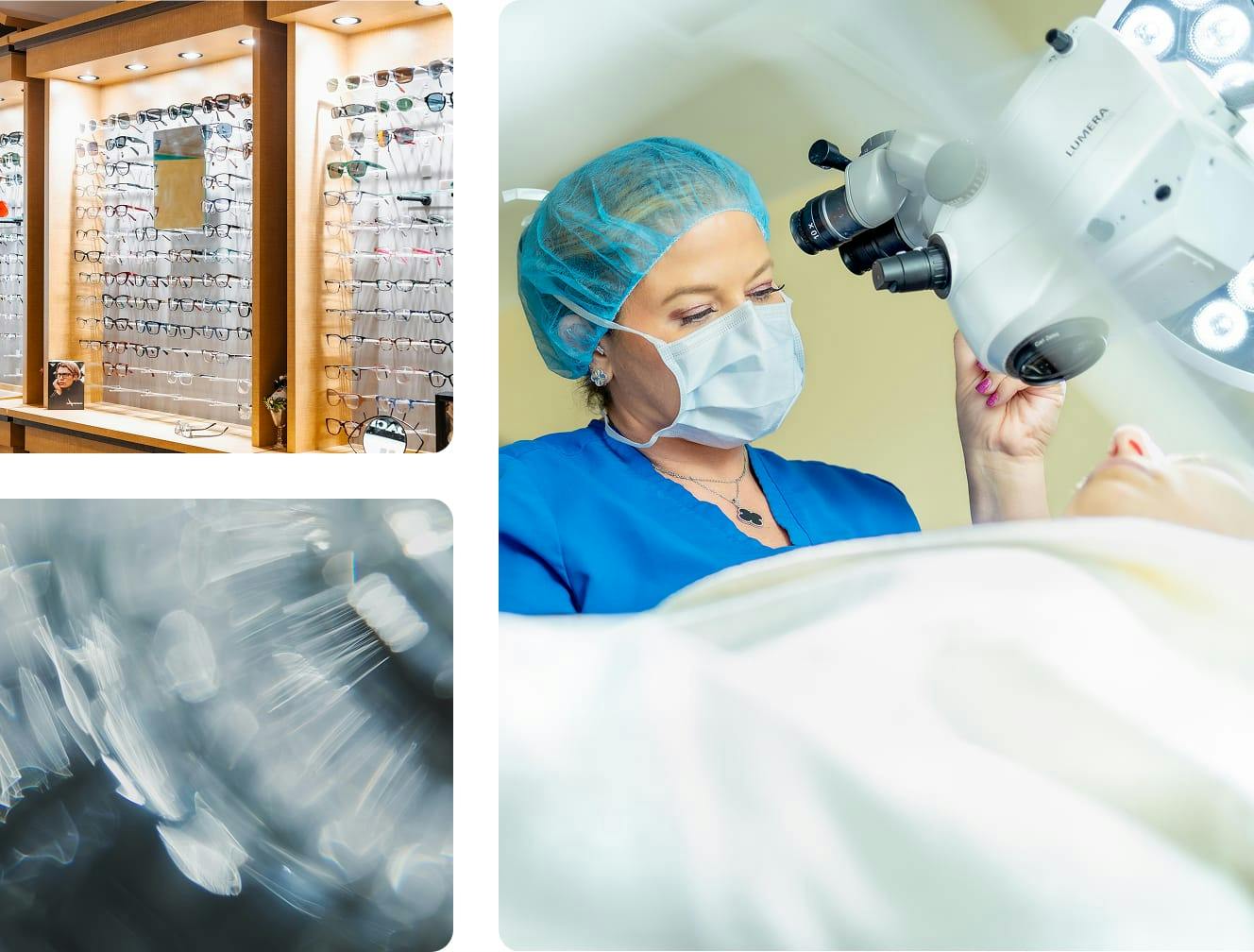
doctor treating a patient | glasses on racks | abstract art

Day of Surgery Expectations

Surgery day at INSIGHT Surgery Center is designed to be calm, organized, and as comfortable as possible from the moment you arrive through the moment you leave.

What to Bring

On surgery day, bring the following to INSIGHT Surgery Center:

  • Photo ID
  • Insurance cards
  • A list of current medications
  • Any prescribed eye drops or medications
  • Comfortable, loose-fitting clothing
  • Sunglasses for after the procedure
  • Your designated driver

Arrival and Check-In

Arrive at INSIGHT Surgery Center at the time specified by your surgical coordinator. Plan to arrive on time, as late arrivals can affect the surgical schedule and the preparation process. Our team will greet you at check-in and guide you through the preparation steps, including the administration of eye drops, vital sign monitoring, and a final review of the procedure and what to expect.

In the Operating Room

Our operating rooms are calm, organized environments where the surgical team works with quiet efficiency. You will be awake for most ophthalmic procedures but kept comfortable with anesthesia appropriate to the procedure. Our team will keep you informed and reassured throughout, and the familiar faces of your Boling Vision Center care team will be present throughout the process.

After the Procedure

Following your procedure, you will rest in our recovery area under the monitoring of our nursing team until you are comfortable and stable. Recovery time varies by procedure. You will be discharged with written post-operative instructions, prescribed medications, and direct contact information for our team. A designated driver is required for all procedures involving sedation.

Background media

Anesthesia Overview

Most ophthalmic procedures at Boling Vision Center are performed using one or more of the following anesthesia approaches, tailored to the procedure and the individual guest.

Topical anesthesia

Numbing eye drops applied directly to the eye eliminate discomfort during the procedure without affecting consciousness or requiring recovery time related to anesthesia. This approach is used for many laser and in-office procedures.

Conscious sedation

For procedures requiring greater relaxation, mild IV sedation is administered to keep guests comfortable and at ease while remaining awake. Conscious sedation requires a designated driver and a brief recovery period before discharge.

Local anesthesia

In select cases, an injection of local anesthetic around the eye may be used to ensure complete comfort during more involved procedures.

The specific anesthesia approach for your procedure will be explained at your pre-operative appointment. If you have concerns about anesthesia, our team welcomes that conversation before your surgery day.

Recovery & Post-Operative Care

Recovery from eye surgery begins the moment your procedure is complete, and at Boling Vision Center, our commitment to your outcome extends through every stage of healing.

Immediately After Surgery

The first hours after surgery are important for comfort and early healing. Most guests experience some degree of light sensitivity, mild blurriness, or a foreign body sensation immediately after the procedure. These are normal and typically resolve quickly. Avoid rubbing the eye, and wear any protective eyewear provided by our team as instructed.

Post-Operative Drops

Most procedures involve a post-operative drop regimen that may include antibiotics, anti-inflammatories, and steroid drops. Follow the prescribed schedule exactly, as these drops play a critical role in healing, infection prevention, and achieving the best visual outcome.

Activity Restrictions

General activity restrictions apply to most ophthalmic procedures during the recovery period. Common guidelines include:

  • Avoid swimming and water exposure for a defined period
  • Avoid strenuous exercise and heavy lifting during initial recovery
  • Do not drive until your vision is sufficiently clear and your provider has cleared you to do so
  • Avoid rubbing or pressing on the eye
  • Wear protective eyewear during sleep if instructed

Specific restrictions vary by procedure and will be detailed in your written post-operative instructions.

Follow-Up Appointments

Post-operative follow-up appointments are a critical component of surgical care and are not optional. These visits allow our team to monitor healing, assess the visual outcome, identify any early complications, and adjust the care plan as needed. Your follow-up schedule will be established before you leave on surgery day.

Our team is accessible between visits for any questions or concerns that arise during recovery. Do not hesitate to call if something doesn't feel right.

Background media

LASIK and PRK Frequently Asked Questions

How soon will I see clearly after LASIK?

Most guests achieve functional vision within 24 hours of LASIK. PRK involves a longer surface healing period of five to eight days, with vision continuing to stabilize over the following weeks.

When can I return to work after laser vision correction?

Most guests return to desk-based work within one to two days of LASIK and five to eight days of PRK. Your provider will advise based on your occupation and individual recovery progress.

When can I resume exercise after LASIK or PRK?

Light activity is typically permitted within a few days. Swimming and contact sports require a longer wait. Specific restrictions will be outlined in your post-operative instructions.

EVO ICL Frequently Asked Questions

How quickly will my vision improve after EVO ICL?

Many guests notice meaningful improvement within the first day following the procedure, with vision continuing to refine over the following weeks.

Are there activity restrictions after EVO ICL?

Yes. Avoid swimming and strenuous activity for a defined period after the procedure. Specific restrictions will be provided in your post-operative instructions.

Will I need drops after EVO ICL?

Yes. A post-operative drop regimen is prescribed to support healing and prevent infection. Follow the schedule exactly as provided.

Refractive Lens Exchange Frequently Asked Questions

How soon will I notice improved vision after RLE?

Most guests notice meaningful improvement within the first few days. Vision continues to refine over the following weeks as the eye heals and adapts to the new lens.

Is the recovery different from cataract surgery?

Recovery from RLE is essentially the same as cataract surgery, as the procedure is technically identical. Your provider will give you specific expectations based on the lens selected and your individual situation.

Cataract Surgery Frequently Asked Questions

When will my vision be clear after cataract surgery?

Most guests notice significant improvement within the first day or two. Guests who choose premium IOLs may notice a period of adaptation as the brain adjusts to the new lens, which can continue over several weeks to months.

How many follow-up appointments will I need after cataract surgery?

Follow-up appointments are typically scheduled at defined intervals in the days, weeks, and months following surgery. Your specific schedule will be established before you leave on surgery day.

Corneal Procedures Frequently Asked Questions

How long is the recovery after a corneal transplant?

Recovery following corneal transplantation varies by technique. Surface procedures like PTK involve an epithelial healing period of one to two weeks. Transplantation procedures like DMEK or DALK involve a longer visual rehabilitation period that may extend over several months.

When can I return to normal activities after a corneal procedure?

It depends on the specific procedure. Your provider will give you detailed activity restrictions and a realistic recovery timeline based on your individual surgery.

In-Office Procedures Frequently Asked Questions

Will I need someone to drive me home after an in-office procedure?

For most in-office procedures, including injections and laser treatments, driving yourself home is generally fine unless sedation has been used or vision is significantly affected. Your provider will advise before you leave.

How soon can I return to normal activities after an in-office procedure?

Most guests return to normal activities the same day. Specific post-procedure instructions will be provided before you leave the office.

Appointment Reminders, Cancellations & No-Shows

We send appointment reminders for both pre-operative and surgery day appointments. Given the preparation and coordination involved in surgical scheduling, we ask that any cancellation or rescheduling request be made as early as possible, and at a minimum of 48 hours before the scheduled appointment.

Late cancellations and no-shows for surgical appointments affect our surgical team, our scheduling, and other guests waiting for care. Repeated late cancellations or no-shows may result in a fee and may affect future scheduling. We understand that unexpected circumstances arise, and we ask only that you communicate with us as promptly as possible when plans need to change.

Boling Vision Center logo and background

Payment Expectations

For surgical procedures, financial arrangements are confirmed before the surgery date. Any out-of-pocket balances, including premium lens upgrades, elective procedure fees, and applicable co-pays or deductibles, are due before or on the day of surgery. We accept cash, check, all major credit cards, and FSA and HSA cards.

For guests using financing, arrangements should be in place before the surgery date. Our billing team will confirm all financial expectations clearly before your procedure so there are no surprises on surgery day.

Questions Before Your Procedure?

Our team is always available to answer questions before your surgical appointment. Call any of our four Northern Indiana locations, ask to speak with your surgical coordinator, and we will make sure every question is answered and every concern is addressed before your surgery day arrives.

Banner media

Amazing Happens Here

Three generations. One unwavering standard.

Contact Us
Accessibility: If you are vision-impaired or have some other impairment covered by the Americans with Disabilities Act or a similar law, and you wish to discuss potential accommodations related to using this website, please contact our Accessibility Manager at (574) 293-3545.
Contact Us