Northern Indiana's Home for Advanced Glaucoma Care

Glaucoma is a condition that demands expertise, vigilance, and a long-term partnership between guest and provider. At Boling Vision Center's Glaucoma Center, we bring all three together, offering comprehensive care that spans early detection, personalized treatment, and lifelong monitoring across four convenient Northern Indiana locations. Whether you've just received a diagnosis, have been managing glaucoma for years, or simply want to know where you stand, we're here to help you protect what matters most. Take our Glaucoma Self-Test today and find out if it's time to schedule an evaluation.

Understanding Glaucoma

Glaucoma is not a single disease but a group of conditions that share one common and serious consequence: damage to the optic nerve, the critical connection between your eye and your brain. In most cases, this damage is driven by elevated pressure inside the eye. Over time, it leads to peripheral vision loss that, without intervention, can progress to significant and permanent impairment.

What makes glaucoma particularly challenging is that it rarely announces itself. Most guests have no pain, no noticeable vision changes, and no warning that anything is wrong until meaningful damage has already occurred. It's earned the name "silent thief of sight" for good reason, and it's why regular eye exams are one of the most important things you can do for your long-term vision health.

Banner media

Who Is at Risk?

Glaucoma can affect anyone, but certain factors raise risk meaningfully. These include being over the age of 60, having a family history of glaucoma, being of African or Hispanic descent, having elevated intraocular pressure or thin corneas, and living with systemic conditions like diabetes or high blood pressure. Long-term use of corticosteroid medications also increases risk. If any of these apply to you, proactive screening isn't optional; it's essential.

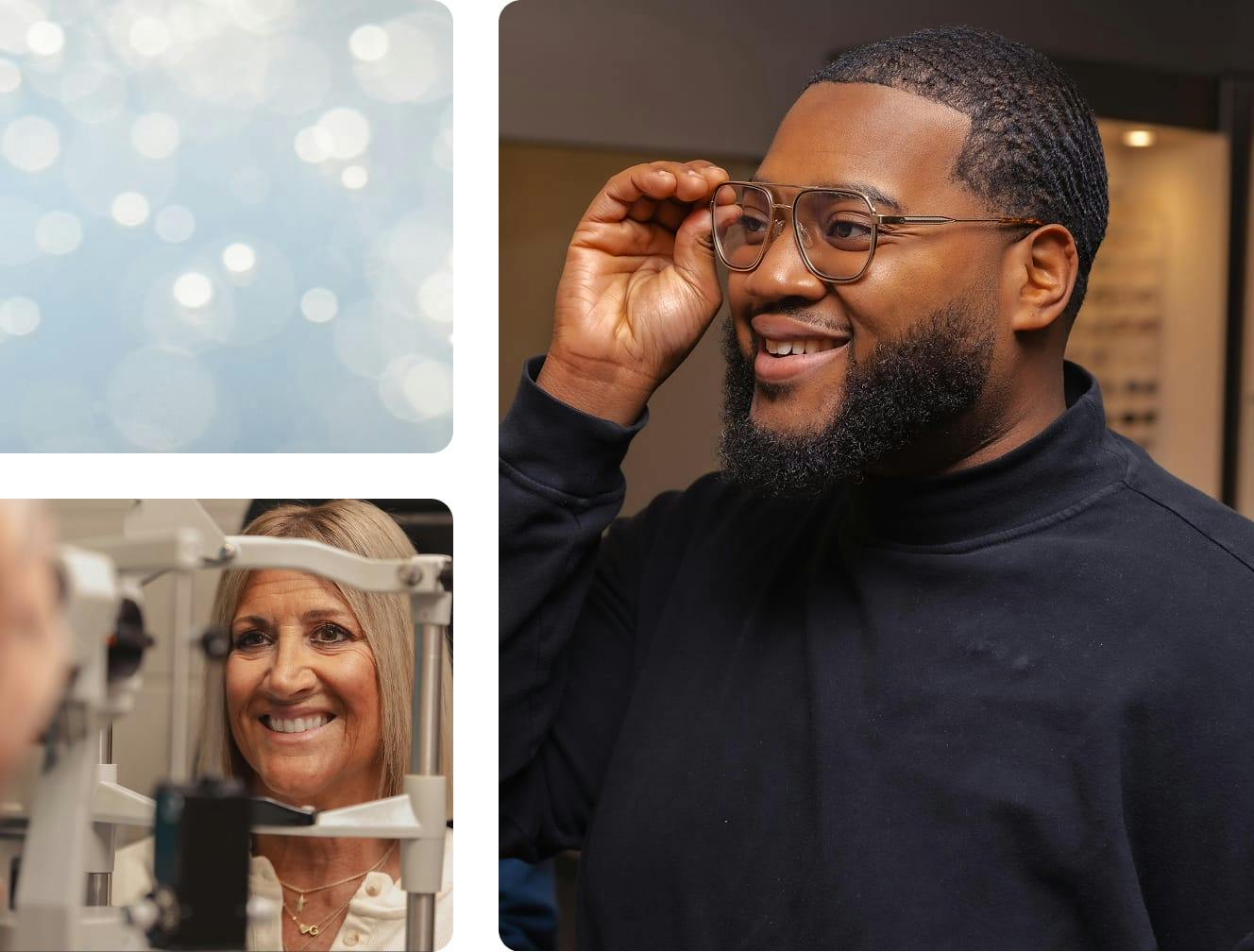
man putting on glasses | abstract art | Woman getting her eyes checked

Glaucoma Evaluation at Boling Vision Center

A thorough glaucoma evaluation goes well beyond a standard pressure check. At Boling Vision Center, our diagnostic process is comprehensive and technology-supported, giving our providers the detailed picture they need to make accurate assessments and informed treatment recommendations.

A complete glaucoma evaluation at Boling includes precise measurement of intraocular pressure, detailed optic nerve imaging, corneal thickness assessment, drainage angle evaluation, and visual field testing. No single finding tells the full story; it's the combination of data across all of these areas that gives your provider a clear and complete picture of your eye health.

The Value of Early Baseline Testing

One of the most powerful things we can do for a guest at risk for glaucoma is establish a thorough baseline early. Because glaucoma progresses slowly, changes that appear subtle in isolation become highly meaningful when compared against a well-documented history. Starting that record early gives us the best possible foundation for catching any shift before it becomes significant.

Banner media

Going here was the very first time I have ever had a major eye test done. They made it an awesome experience, and the staff and doctors are so friendly.

R.P.
Quote Background

Schedule A Consultation

Contact Us
Contact us media

A Full-Spectrum Approach to Treatment

Most eye care practices offer basic glaucoma monitoring. Boling Vision Center goes further. Our Glaucoma Center is built around the full spectrum of care, from early detection through the most advanced interventional options available today, so our guests never need to be referred elsewhere as their needs evolve.

Our interventional glaucoma approach considers the full range of available tools at every stage of disease, including laser treatments, microinvasive glaucoma surgery, procedural pharmaceutical options, and advanced surgical procedures. Every care plan is built around your specific disease, lifestyle, and long-term goals. To explore our treatment options in depth, visit our Interventional Glaucoma page.

Reducing Medication Burden

For many guests, glaucoma management means daily eye drops, sometimes multiple times a day, for the rest of their lives. While drops are effective when used consistently, they carry real challenges: side effects, cost, the difficulty of maintaining a perfect routine, and the simple fatigue of managing a lifelong medication regimen.

At Boling Vision Center, we take medication burden seriously as a quality-of-life issue, not just a clinical one. Interventional options, including laser treatments, minimally invasive procedures, and sustained-release pharmaceutical approaches can provide reliable pressure control while meaningfully reducing or, in some cases, eliminating the need for daily drops.

If your current regimen feels unsustainable, or if you simply want to explore whether there's a better long-term approach for your situation, that conversation is always welcome here.

Banner media

Glaucoma and Cataract Care Together

It's common for guests managing glaucoma to also develop cataracts, and the overlap of these two conditions creates a genuine opportunity. Cataract surgery itself produces a modest reduction in intraocular pressure, and when combined with a microinvasive glaucoma procedure performed at the same time, the combined benefit can be significant.

Treating both conditions in a single surgical event reduces the total number of procedures a guest needs, shortens overall recovery, and often delivers better combined outcomes than addressing each condition separately. Boling Vision Center's surgical team is experienced in this combined approach, and it's a conversation worth having if you're facing both diagnoses.

Glaucoma Monitoring Over Time

A glaucoma diagnosis begins a relationship with your care team that continues for life. Consistent monitoring is the cornerstone of long-term glaucoma management, because the disease evolves and care plans need to evolve with it.

At each monitoring visit, your provider evaluates intraocular pressure, optic nerve appearance, and visual field stability. Advanced imaging technology allows us to detect even subtle structural changes before they translate into noticeable vision loss. This level of vigilance is what separates proactive glaucoma care from reactive care, and it's the standard at Boling.

Glaucoma and Your Quality of Life

Beyond the clinical picture, glaucoma has real implications for daily life. Peripheral vision loss can affect driving, navigating unfamiliar environments, and overall confidence. The demands of a daily medication regimen add their own weight. And living with a progressive, irreversible condition takes an emotional toll that deserves acknowledgment.

At Boling Vision Center, we see the whole person, not just the diagnosis. Our team takes time to understand how glaucoma is affecting your life and factors that into every recommendation we make. Managing glaucoma well isn't just about numbers on a chart; it's about preserving the independence and quality of life that matter most to you.

Banner media

Why Choose Boling Vision Center?

Boling Vision Center's Glaucoma Center offers something most practices simply can't: a complete glaucoma care experience under one roof, from early detection through advanced interventional treatment, supported by a team committed to partnering with you for the long term. Our providers combine deep clinical expertise with the warmth and attentiveness that define care at Boling. 

With over 65 years of trusted service to the families of Northern Indiana and four convenient locations, we're the practice guests choose when they want a team that takes their vision as seriously as they do. Amazing care, for a condition that demands nothing less.

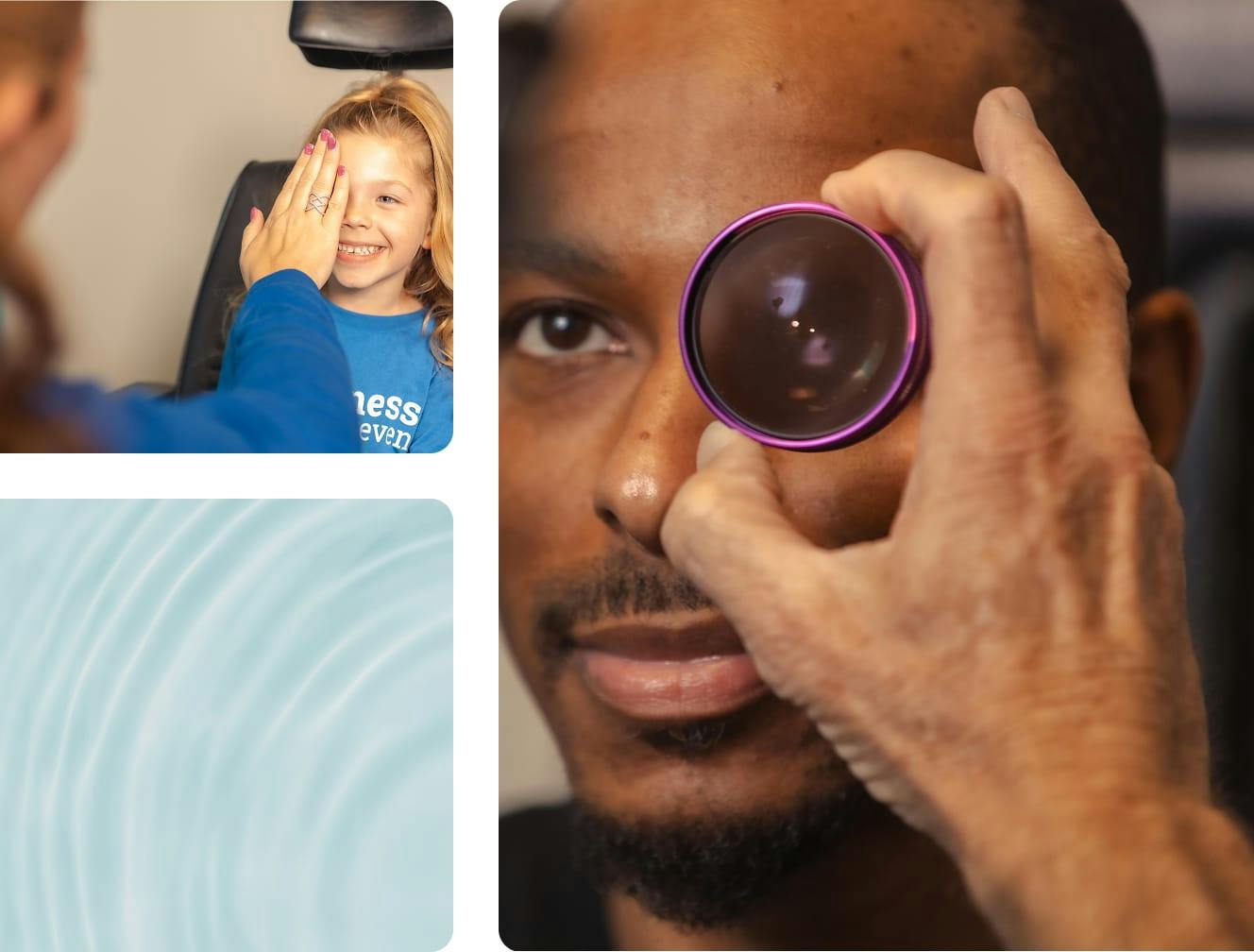
man getting his eye checked | child getting her eye checked | abstract art

Frequently Asked Questions Glaucoma Center

I was told my eye pressure is "borderline." Should I be concerned?

Borderline intraocular pressure, sometimes called ocular hypertension, means your pressure is higher than average but hasn't yet caused measurable optic nerve damage. It warrants careful monitoring rather than immediate treatment in many cases, but it should absolutely be taken seriously. Your provider will assess your full risk profile, including corneal thickness, optic nerve appearance, and family history, to determine the right level of surveillance for your situation.

Can I still drive if I have glaucoma?

Many guests with glaucoma continue to drive safely for years, particularly when the disease is detected early and well-managed. However, advanced peripheral vision loss can eventually affect driving ability and safety. Your provider can help you understand where your visual field stands and what it means practically for activities like driving; this is a conversation worth having openly rather than avoiding.

What is the optic nerve, and why does glaucoma affect it?

The optic nerve is the bundle of nerve fibers that transmits visual information from the eye to the brain. Elevated intraocular pressure places mechanical stress on these fibers over time, causing them to degrade. Because optic nerve fibers don't regenerate, the damage is permanent, which is why protecting the nerve through early intervention and consistent pressure control is so central to glaucoma care.

Is it possible to have glaucoma in only one eye?

Yes, though glaucoma often affects both eyes, it can present asymmetrically, with one eye showing more significant changes than the other. Both eyes are always evaluated and monitored even when findings are more pronounced on one side, because the less-affected eye remains at risk and requires the same level of vigilance.

Amazing Happens Here

Three generations. One unwavering standard.

Contact Us
Accessibility: If you are vision-impaired or have some other impairment covered by the Americans with Disabilities Act or a similar law, and you wish to discuss potential accommodations related to using this website, please contact our Accessibility Manager at (574) 293-3545.
Contact Us