Clear Vision Starts with the Right Diagnosis

Nearsightedness, farsightedness, and astigmatism are all refractive errors: conditions in which the shape of the eye prevents light from focusing precisely on the retina, producing blurry or distorted vision. They are extremely common in children, highly treatable, and, when left uncorrected, capable of significantly affecting a child's learning, development, and quality of life.

At Boling Vision Center's Pediatric Eye Center, we diagnose and manage refractive errors in children of all ages, from toddlers to teenagers, with the thoroughness and care every young patient deserves. Schedule a pediatric eye exam at any of our four Northern Indiana locations today.

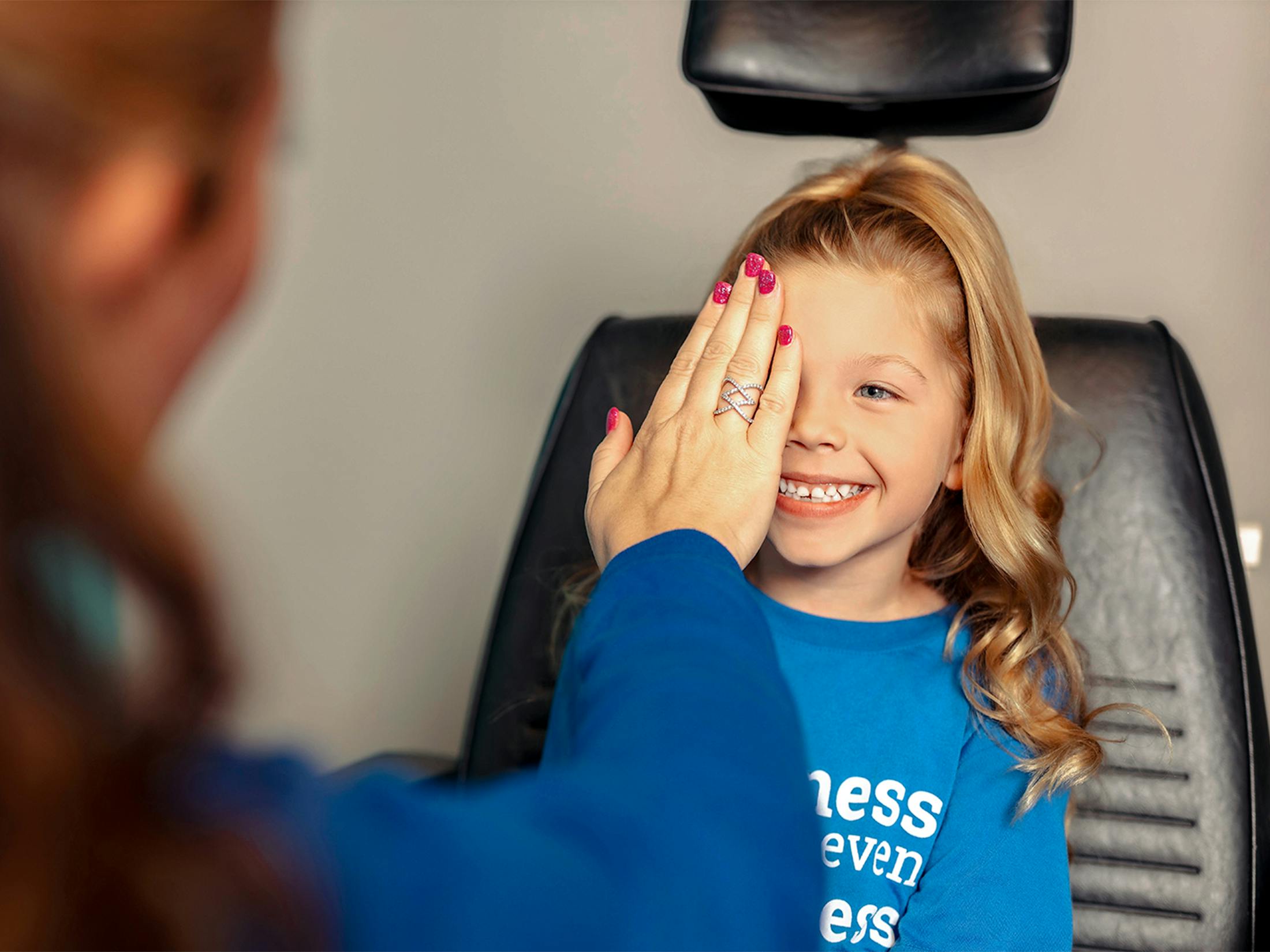
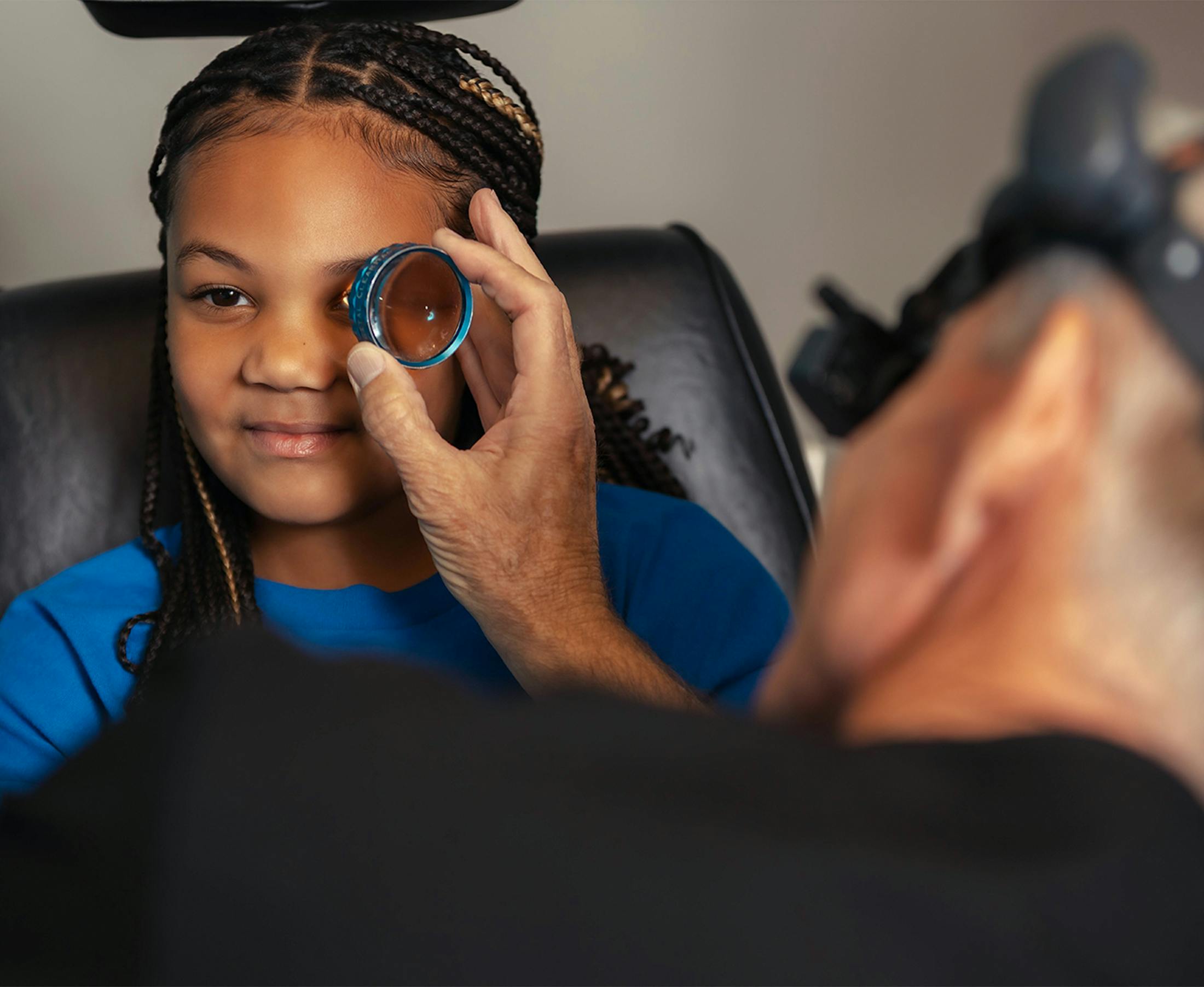
Doctor helping a patient

Why Refractive Errors Matter in Children

Adults with blurry vision usually know something is wrong and seek correction. Children often don't. Many kids have never experienced clear vision and have no frame of reference for what they're missing. Uncorrected refractive errors can affect far more than eyesight.

They contribute to difficulties with reading, writing, and concentration at school; frustration and behavioral challenges that are sometimes mistaken for learning disabilities; avoidance of activities that require sustained visual attention; and in some cases, the development of amblyopia when one eye has a significantly different prescription than the other. Regular comprehensive eye exams are the most reliable way to catch refractive errors early, because children rarely self-report vision problems and school screenings frequently miss them.


Schedule A Consultation

Contact Us
Contact us media

Understanding the Three Main Refractive Errors

Refractive errors all share the same underlying mechanism: light entering the eye isn't focusing precisely on the retina. The differences lie in the shape of the eye, causing that misfocus and the way it affects vision.

Myopia (Nearsightedness)

Myopia occurs when the eye is slightly too long, or the cornea is too curved, causing light to focus in front of the retina rather than on it. The result is clear vision up close and blurry vision at a distance. Myopia is the most common refractive error in children, and its prevalence is increasing. It typically develops in the school-age years and tends to progress through adolescence before stabilizing in the late teens or early twenties. Beyond its impact on daily vision, higher degrees of myopia are associated with an increased lifetime risk of certain eye conditions, including retinal detachment and glaucoma, making myopia management an important long-term consideration.

Hyperopia (Farsightedness)

Hyperopia occurs when the eye is slightly too short, or the cornea is too flat, causing light to focus behind the retina. Mild to moderate farsightedness is actually common in young children and often resolves naturally as the eye grows. Significant farsightedness, however, requires correction and is one of the leading causes of accommodative esotropia and amblyopia in children. An important nuance: farsighted children often see reasonably well at a distance because the young eye can compensate through accommodation, the same focusing mechanism used for near vision. This compensation, however, requires sustained effort and can lead to eyestrain, headaches, and difficulties with reading and close work.

Astigmatism

Astigmatism occurs when the cornea or lens has an irregular curvature, more like a football than a basketball, causing light to focus at multiple points rather than one. The result is blurred or distorted vision at all distances. Astigmatism is very common in children and frequently accompanies myopia or hyperopia. Mild astigmatism may cause few symptoms, while more significant degrees can produce blurry vision, eyestrain, headaches, and difficulty with tasks like reading or recognizing faces at a distance. Like other refractive errors, significant astigmatism can contribute to amblyopia when present in one eye more than the other.

Dr. Dietrich carefully explained everything so I could understand what was going on, and he was very friendly as were his assistants.

Ron & Sue Taylor
Quote Background

Signs That Your Child May Have a Refractive Error

Children are not always able to articulate that their vision is blurry, but certain behaviors and complaints can signal that something needs attention:

  • Squinting or closing one eye to see more clearly
  • Short attention span for visual tasks
  • Sitting very close to the television or holding books close to the face
  • Frequent headaches, particularly after reading or doing schoolwork
  • Rubbing the eyes frequently
  • Complaints of tired or sore eyes
  • Losing their place while reading or skipping lines
  • Difficulty seeing the board at school
  • Tilting the head to one side when looking at things

Any of these signs warrants a comprehensive eye exam, regardless of whether a prior screening has been normal.

How We Diagnose Refractive Errors in Children

Accurate diagnosis of refractive errors in children requires a comprehensive eye examination that goes well beyond a standard vision screening.

Cycloplegic Refraction

For children, particularly young ones, measuring the true refractive error often requires cycloplegic refraction: the use of dilating drops that temporarily relax the eye's focusing muscles. Without cycloplegia, children's eyes can actively compensate during the exam, masking the true degree of farsightedness or astigmatism. Cycloplegic refraction gives us an accurate, uncompensated picture of the refractive error present.

Age-Appropriate Testing Techniques

Children can't always read a standard letter chart, and our team is experienced in using age-appropriate testing techniques for every stage of development. From preferential looking tests for infants to picture charts for toddlers and preschoolers, we have the tools and the patience to get accurate results regardless of a child's age or ability to cooperate with standard testing.

Evaluation for Associated Conditions

Because refractive errors, particularly significant ones or those with a marked difference between the two eyes, carry a risk of amblyopia and strabismus, every pediatric refractive evaluation at Boling Vision Center includes a thorough assessment of eye alignment, binocular function, and visual acuity in each eye individually.

Background media

Treatment Options

The right correction for a child's refractive error depends on the type and degree of the prescription, the child's age, and their lifestyle and needs. In most cases, treatment is straightforward, and the improvement in vision is immediate and meaningful.

Glasses

Glasses are the primary treatment for refractive errors in children and remain the most reliable, versatile, and safe option across all age groups and prescription types. A well-fitted pair of glasses with the right prescription can transform a child's visual experience and, in many cases, significantly improve academic performance and quality of life almost immediately. For younger children or those with higher prescriptions, lens materials and coatings matter. Our optical team at INFOCUS Optical Lab helps families select frames and lenses that are durable, comfortable, and well suited to an active child's lifestyle.

Myopia Management

For children with progressing myopia, standard glasses and contacts correct vision but do nothing to slow the rate at which the prescription is increasing. Myopia management strategies, including orthokeratology, multifocal contact lenses, and low-dose atropine, are designed to actively slow myopia progression and reduce the long-term risk associated with high myopia. If your child's myopia is progressing rapidly, this is a conversation worth having at your next appointment.

Contact Lenses

For older children and teenagers who are ready for the responsibility of contact lens wear, contacts can be a practical and confidence-building option. The right age for contact lenses varies between children and depends on maturity and motivation as much as age. Our team will help families navigate that decision thoughtfully.

Why Choose Boling Vision Center?

Boling Vision Center's Pediatric Eye Center combines thorough diagnostic evaluation, a wide range of correction options, and a team that genuinely enjoys caring for young patients and their families. With four Northern Indiana locations, an on-site optical lab, and over 65 years of caring for the families of Michiana, we're the practice parents trust to get their children's vision right from the start. Amazing happens here.

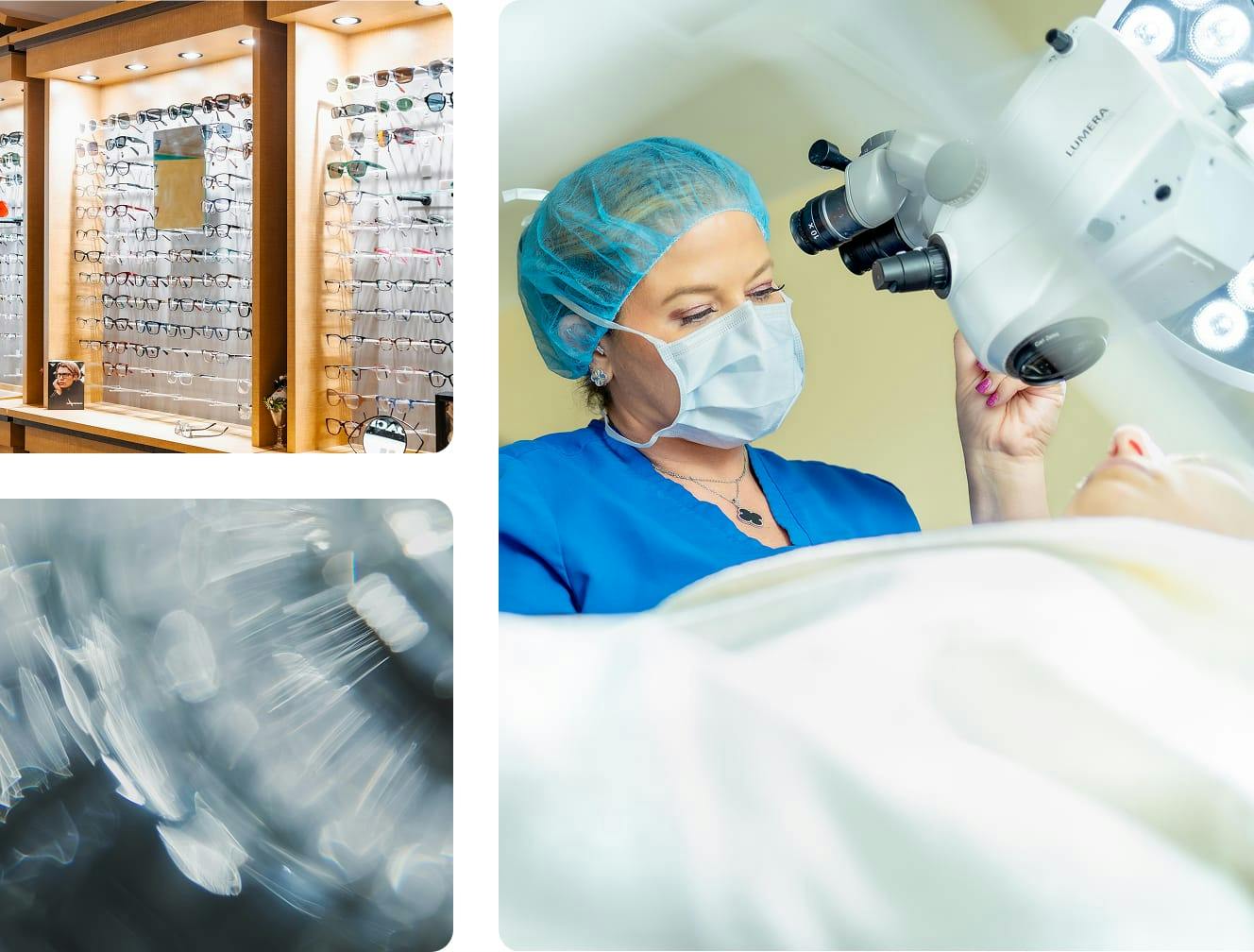
doctor treating a patient | glasses on racks | abstract art

Refractive Errors Frequently Asked Questions

How early can refractive errors be detected?

Refractive errors can be detected even in infants using objective testing techniques that don't require the child to respond verbally. The American Optometric Association recommends a first comprehensive eye exam at six months of age, well before a child can read a chart or describe what they see.

Will my child need glasses forever?

It depends on the type and degree of refractive error. Mild farsightedness in young children often decreases as the eye grows and may no longer require correction by school age. Myopia, on the other hand, tends to progress through adolescence and typically requires ongoing correction into adulthood. Your provider will monitor your child's prescription over time and advise accordingly.

Can wearing glasses make my child's eyes dependent on them?

No. Glasses correct vision optically; they don't change the underlying structure of the eye or create dependency. A child whose vision improves with glasses will continue to need those glasses because the refractive error is still present, not because the glasses caused the eye to weaken.

My child passed a school vision screening. Do they still need an eye exam?

Yes. School screenings test a limited range of visual functions and frequently miss significant refractive errors, particularly farsightedness and astigmatism. A comprehensive eye exam evaluates the full picture of visual health and is the only reliable way to rule out refractive errors and other conditions that screenings can't detect.

What is myopia management, and does my child need it?

Myopia management refers to treatment strategies designed to slow the rate of myopia progression in children, rather than simply correcting the current prescription. It is worth discussing if your child's myopia is progressing by more than a half diopter per year, if they developed myopia at a young age, or if there is a strong family history of high myopia. Your provider will advise whether myopia management is appropriate based on your child's individual profile.

Amazing Happens Here

Three generations. One unwavering standard.

Contact Us
Accessibility: If you are vision-impaired or have some other impairment covered by the Americans with Disabilities Act or a similar law, and you wish to discuss potential accommodations related to using this website, please contact our Accessibility Manager at (574) 293-3545.
Contact Us