The Root Cause Most People Don't Know About

If you've been living with dry, irritated, or uncomfortable eyes and haven't found lasting relief, meibomian gland dysfunction may be the reason why. MGD is remarkably common, frequently overlooked, and directly responsible for the majority of dry eye cases. The good news is that with accurate diagnosis and the right treatment, meaningful relief is absolutely achievable. At Boling Vision Center's Cornea & Ocular Surface Center, MGD is something we take seriously and treat thoroughly. Schedule an evaluation today, and let's find out if MGD is behind your symptoms.

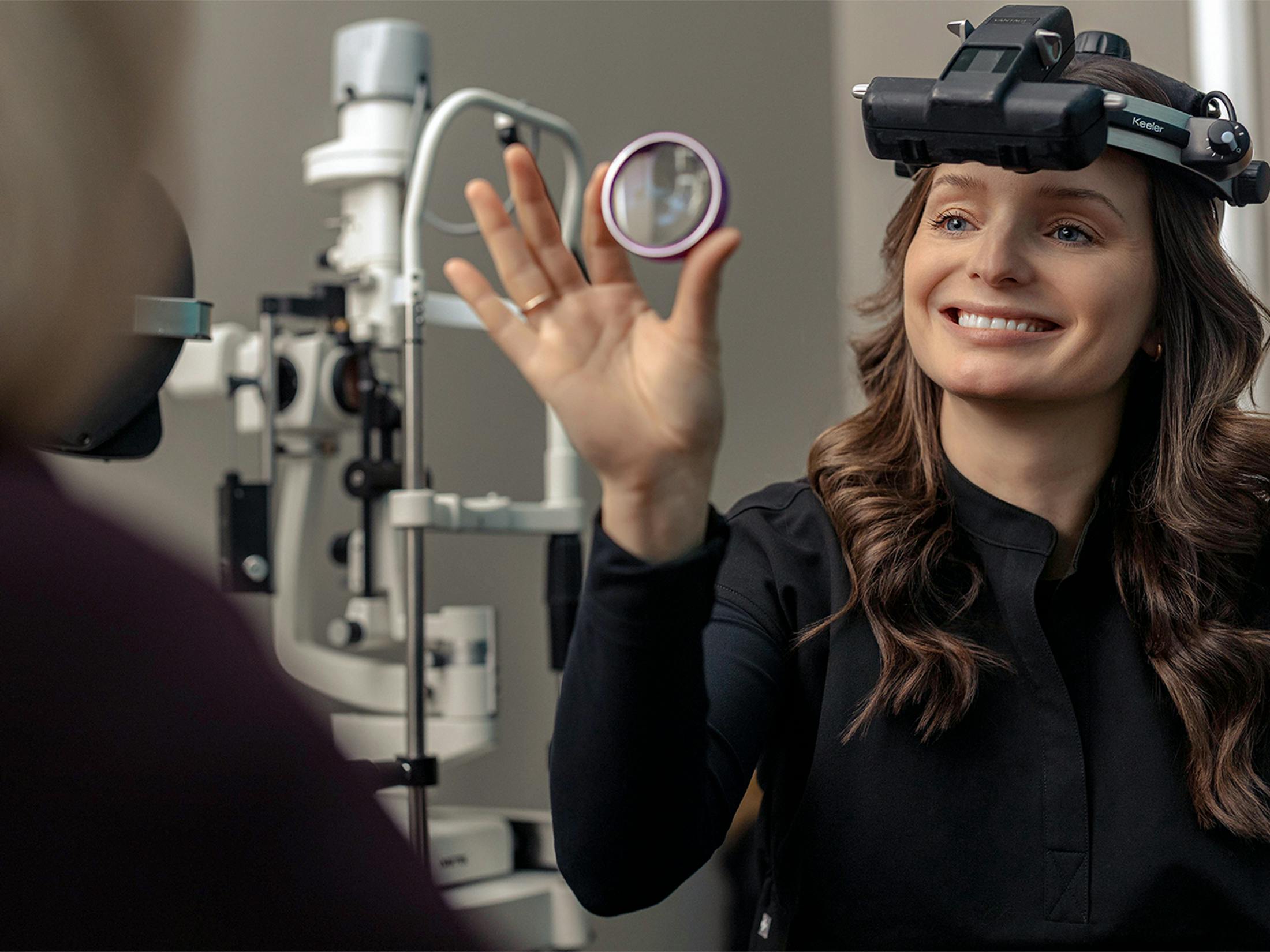
women smiling

Understanding Meibomian Gland Dysfunction

The meibomian glands are a row of small oil-secreting glands embedded in the upper and lower eyelids. There are roughly 25 to 40 of them in each lid, and their job is to secrete a carefully balanced oil called meibum onto the surface of the tear film with every blink. This oil layer is essential. It forms the outermost layer of the tear film and acts as a seal that slows tear evaporation, keeping the eye moist and comfortable between blinks. When the meibomian glands become blocked, inflamed, or begin producing poor-quality secretions, that protective seal breaks down, and tears evaporate far too quickly. The result is evaporative dry eye, which accounts for the vast majority of dry eye disease cases and explains why simply adding more artificial tears often isn't enough to solve the problem.

What Causes MGD?

MGD develops for a variety of reasons, and often several contributing factors are at play simultaneously.
Age: Meibomian gland function naturally declines with age, making MGD increasingly common in adults over 40.

  • Hormonal changes: Androgens play a key role in meibomian gland function, which is why MGD is particularly prevalent in postmenopausal women and can also affect men as testosterone levels decline.
  • Screen time and reduced blinking: Prolonged screen use significantly reduces blink rate and blink completeness, leading to inadequate gland expression and buildup within the ducts.
  • Contact lens wear: Long-term contact lens wear can disrupt the lid margin environment and contribute to gland dysfunction over time.
  • Skin conditions: Rosacea, seborrheic dermatitis, and other skin conditions affecting the face and eyelids are strongly associated with MGD.
  • Eye makeup and lid hygiene: Residue from eye makeup and inadequate lid cleaning can block meibomian gland openings and contribute to dysfunction.
  • Medications: Certain medications, including retinoids, antihistamines, and hormonal therapies, can affect meibomian gland secretion quality.

Schedule A Consultation

Contact Us
Contact us media

Symptoms of MGD

MGD symptoms overlap significantly with general dry eye symptoms, which is one reason it's often missed or misattributed. Common signs include:

  • Burning or stinging: A persistent irritation that worsens throughout the day or in dry environments.
  • Gritty or foreign body sensation: The feeling that something is in the eye even when nothing is there.
  • Fluctuating vision: Blurry vision that temporarily clears with blinking, a hallmark of tear film instability.
  • Redness: Persistent low-grade redness of the eye or the lid margin itself.
  • Eyelid tenderness or heaviness: Discomfort along the lid margin, particularly noticeable in the morning.
  • Crusty or foamy discharge: Buildup along the lid margins, especially upon waking.
  • Contact lens intolerance: Increasing difficulty tolerating contact lenses that were previously comfortable.
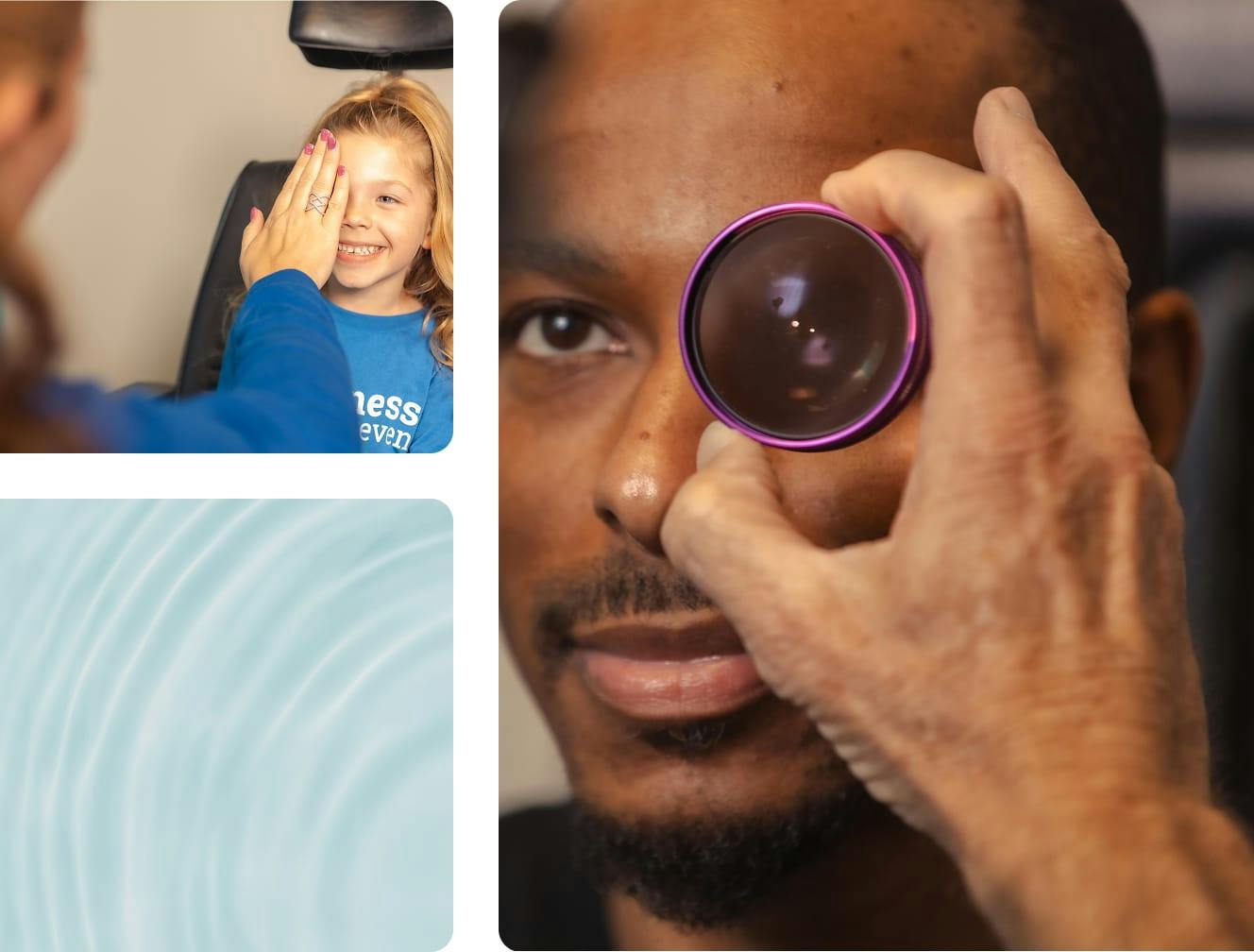
man getting his eye checked | child getting her eye checked | abstract art

How MGD Is Diagnosed

Diagnosing MGD properly requires a thorough evaluation of the eyelids, lid margins, and the glands themselves, not just the tear film. At Boling Vision Center, our Cornea & Ocular Surface Center uses advanced diagnostic tools to assess meibomian gland structure and function in detail.

Meibomian Gland Imaging

Meibography uses infrared imaging to visualize the meibomian glands directly, allowing our providers to assess gland structure, identify dropout or atrophy, and determine the extent of gland involvement. This gives a far more complete picture than external examination alone.

Tear Film and Lid Margin Evaluation

In addition to gland imaging, our providers evaluate tear film stability, the quality of meibomian secretions, lid margin health, and the degree of inflammation present. This comprehensive assessment ensures that treatment recommendations address the full picture of each guest's condition.

Background media

Treatment Options

MGD treatment at Boling Vision Center is targeted and progressive, addressing the underlying gland dysfunction rather than just masking symptoms. The right approach depends on the severity of your MGD and the specific factors driving it.

  • iLux Meibomian Gland Treatment: iLux is our primary in-office treatment for MGD and one of the most effective options available. It uses a handheld device to apply precisely controlled heat and gentle compression directly to the eyelids, softening and expressing the blocked meibum from the glands. The procedure is comfortable, takes only minutes, and can produce significant improvement in gland function and dry eye symptoms. Learn more about iLux.
  • Eyelid Health with BlephEx: BlephEx is an in-office lid cleaning procedure that removes the biofilm, debris, and bacterial buildup that accumulates along the lid margins and contributes to gland blockage and inflammation. It's often used in combination with iLux for a more comprehensive approach to lid and gland health. Learn more about BlephEx.
  • Inflammation Control: Inflammation is both a driver and a consequence of MGD. When inflammation is present, targeted anti-inflammatory treatments help restore a healthier lid margin environment and support better gland function over time. Learn more.
  • Targeted Dry Eye Therapies: Prescription therapies, including topical medications and nutritional supplements such as omega-3 fatty acids, can support meibomian gland health and tear film quality as part of a broader MGD management plan. Learn more.
  • At-Home Maintenance: In-office treatment is most effective when supported by consistent at-home care. Warm compresses applied to the lids help soften meibum and keep glands expressing properly between appointments. Your provider will give you specific guidance on the most effective at-home routine for your situation.

Why MGD Treatment Is Worth It

Many guests with MGD have been managing their symptoms with artificial tears for years, often without knowing why drops only provide temporary relief. Treating the underlying gland dysfunction rather than just the surface symptoms is what produces lasting improvement. With the right combination of in-office treatment and at-home maintenance, most guests experience meaningful, sustained relief from the symptoms that have been affecting their daily comfort and vision quality.

Banner media

Why Choose Boling Vision Center?

Boling Vision Center's Cornea & Ocular Surface Center brings together advanced diagnostic imaging, targeted treatment technology, and experienced providers who specialize in the kind of thorough, root-cause approach that MGD requires. We don't offer one-size-fits-all dry eye solutions.

Every care plan is built around a detailed understanding of what's actually driving each guest's condition, and adjusted over time as treatment progresses. With four Northern Indiana locations and over 65 years of trusted community care, Boling is the practice guests turn to when they're ready to stop managing symptoms and start treating the cause. Amazing happens here.

Meibomian Gland Dysfunction (MGD) Frequently Asked Questions

Is MGD the same as dry eye disease?

MGD is a leading cause of dry eye disease, but it is not the same condition. MGD refers specifically to dysfunction of the meibomian glands, while dry eye disease is the broader condition that occurs when the tear film is insufficient or unstable. MGD accounts for a large proportion of dry eye cases, but dry eye can also have other causes.

Can MGD be reversed?

With appropriate treatment, meibomian gland function can often be meaningfully improved, particularly when dysfunction is identified before significant gland atrophy occurs. Advanced gland dropout is more difficult to reverse, which is why early evaluation and treatment can lead to better outcomes.

How often will I need in-office MGD treatment?

Treatment frequency depends on the severity of your MGD and how well your glands respond to treatment. Some patients benefit from periodic maintenance treatments, while others achieve lasting improvement with a single course of care supported by consistent at-home maintenance.

Does MGD affect vision?

Yes. Tear film instability caused by MGD can produce fluctuating or blurry vision that temporarily clears with blinking. For patients who spend significant time reading, driving, or using screens, these vision changes can be disruptive to daily activities.

Can I prevent MGD from getting worse?

Consistent eyelid hygiene, regular warm compresses, staying hydrated, managing screen time, and addressing contributing factors such as rosacea or contact lens wear may help slow progression. Your provider will recommend specific strategies based on your individual condition and risk factors.

Amazing Happens Here

Three generations. One unwavering standard.

Contact Us
Accessibility: If you are vision-impaired or have some other impairment covered by the Americans with Disabilities Act or a similar law, and you wish to discuss potential accommodations related to using this website, please contact our Accessibility Manager at (574) 293-3545.
Contact Us