Caring for the Eyes That Are Still Learning to See

Children's vision develops rapidly, and problems that arise during the critical early years can shape sight for life. The challenge is that children often don't recognize or report vision problems because they have no frame of reference for what clear, comfortable vision should feel like. At Boling Vision Center's Goshen location, we catch what children can't communicate and parents can't always see, through comprehensive evaluations designed to detect conditions at their earliest and most treatable stages.

If you have concerns about your child's vision or it's time for their next exam, schedule a pediatric eye appointment at our Goshen location and let our team take a thorough, caring look.

Signs Your Child May Have a Vision Problem

Children rarely volunteer that their vision is blurry, but certain behaviors and complaints can signal that something needs attention. Watch for the following:

  • Squinting or closing one eye to see more clearly
  • Holding books or screens very close to the face
  • Sitting too close to the television
  • Tilting or turning the head to one side when looking at things
  • Frequent headaches, particularly after reading or doing schoolwork
  • Rubbing the eyes frequently
  • Difficulty reading or losing place on the page
  • Trouble in school or avoiding reading and close visual tasks
  • An eye that appears to wander, turn in, or turn out

Any of these signs warrants a comprehensive eye exam, regardless of whether a school or pediatrician screening has been normal. School vision screenings are limited in scope and frequently miss significant conditions, including farsightedness, astigmatism, and amblyopia.

Banner media

Pediatric Eye Conditions We Treat in Goshen

At Boling Vision Center's Goshen location, our pediatric eye care team evaluates and manages the full range of conditions affecting children's vision.

Amblyopia (Lazy Eye)

Amblyopia is the most common cause of vision impairment in children, occurring when the brain and one eye fail to develop a strong visual connection during the critical period of visual development. It is very treatable when identified early, with outcomes that improve the sooner intervention begins. Treatment options include corrective glasses, patching, atropine drops, and vision therapy.

Strabismus (Eye Alignment)

Strabismus is a condition in which the eyes don't point in the same direction, affecting binocular vision and depth perception and carrying a significant risk of amblyopia if left untreated. Treatment options range from glasses and patching to surgical correction of the eye muscles, performed at our on-site INSIGHT Surgery Center.

Refractive Errors

Nearsightedness, farsightedness, and astigmatism are the most common vision conditions in children. Many children with significant refractive errors show no obvious symptoms, making routine comprehensive exams the most reliable way to identify and correct them before they affect learning and development.

Congenital Cataracts

Cataracts present at birth or developing in early childhood require prompt evaluation and treatment to prevent deprivation amblyopia and support normal visual development. Our team manages congenital cataracts with the urgency and attentiveness that this condition demands.

Eye Infections and Irritations

Conjunctivitis, styes, blocked tear ducts, allergic eye disease, and other infections and irritations are among the most common reasons parents bring their children in for eye care. Our Goshen team evaluates and treats the full range of these conditions promptly and thoroughly.

Pediatric Eye Injuries

Eye injuries are a leading cause of vision loss in children, and our team is equipped to manage pediatric eye injuries across the full spectrum of severity, from minor corneal abrasions and surface foreign bodies to more serious trauma requiring urgent intervention.

Myopia Management

For children with progressing myopia, standard glasses and contacts correct vision but do nothing to slow the rate of prescription increase. Myopia management strategies, including orthokeratology, multifocal contact lenses, and low-dose atropine, are designed to actively slow progression and reduce the long-term risks associated with high myopia.

From the first person I encountered at Boling Vision, I could tell this was a purpose-driven, culture-focused organization. Everyone there is amazing, kind, and helpful.

Joshua Best
Quote Background

Pediatric Eye Exams in Goshen

A pediatric eye exam at Boling Vision Center's Goshen location is thorough, age-appropriate, and designed to put young patients at ease from the moment they arrive.

Our exams evaluate visual acuity in each eye individually, eye alignment and movement, binocular function and depth perception, refractive error, and the health of the eye structures from front to back. 

For children too young to read a chart or respond verbally, we use specialized testing techniques designed for every developmental stage, from preferential looking assessments for infants to picture-based testing for toddlers and preschoolers. The American Optometric Association recommends a first comprehensive eye exam at six months of age, again at age three, and annually from age six onward. Earlier exams are appropriate when a family history of amblyopia, strabismus, or significant refractive error exists, or when any concern arises.

Schedule A Consultation

Contact Us
Contact us media

Children's Eyewear in Goshen

For children who need glasses, our INFOCUS Optical department at the Goshen location carries a wide selection of children's frames and lenses, combining durability, comfort, and styles that kids actually want to wear. Our nationally certified opticians help families find frames that fit well, hold up to an active child's lifestyle, and that children are genuinely excited to put on each morning.

Lens options for children include impact-resistant polycarbonate materials, scratch-resistant coatings, and specialty designs for conditions including significant refractive error and amblyopia treatment.

What to Expect as a Family

At Boling Vision Center's Goshen location, we understand that a child's experience at the eye doctor shapes how they feel about eye care for the rest of their lives. Our team takes extra time with young patients, explains every step before it happens, and approaches each child with the patience and warmth that builds genuine trust.

For parents, we communicate clearly and completely at every appointment, ensuring you leave with a full understanding of your child's vision health and any recommended next steps. If a child needs ongoing treatment for amblyopia, strabismus, or another condition, we stay closely engaged through every stage of the process and celebrate every milestone along the way.

Banner media

Why Choose Boling Vision Center for Pediatric Eye Care in Goshen?

Boling Vision Center's Goshen location combines experienced pediatric eye care providers, the full range of treatment options, including surgical care at our on-site INSIGHT Surgery Center, and a genuinely child-friendly environment backed by over 65 years of caring for the families of Michiana. 

From a child's first exam through every stage of visual development, we're honored to be Goshen's pediatric eye care home. Amazing happens here.

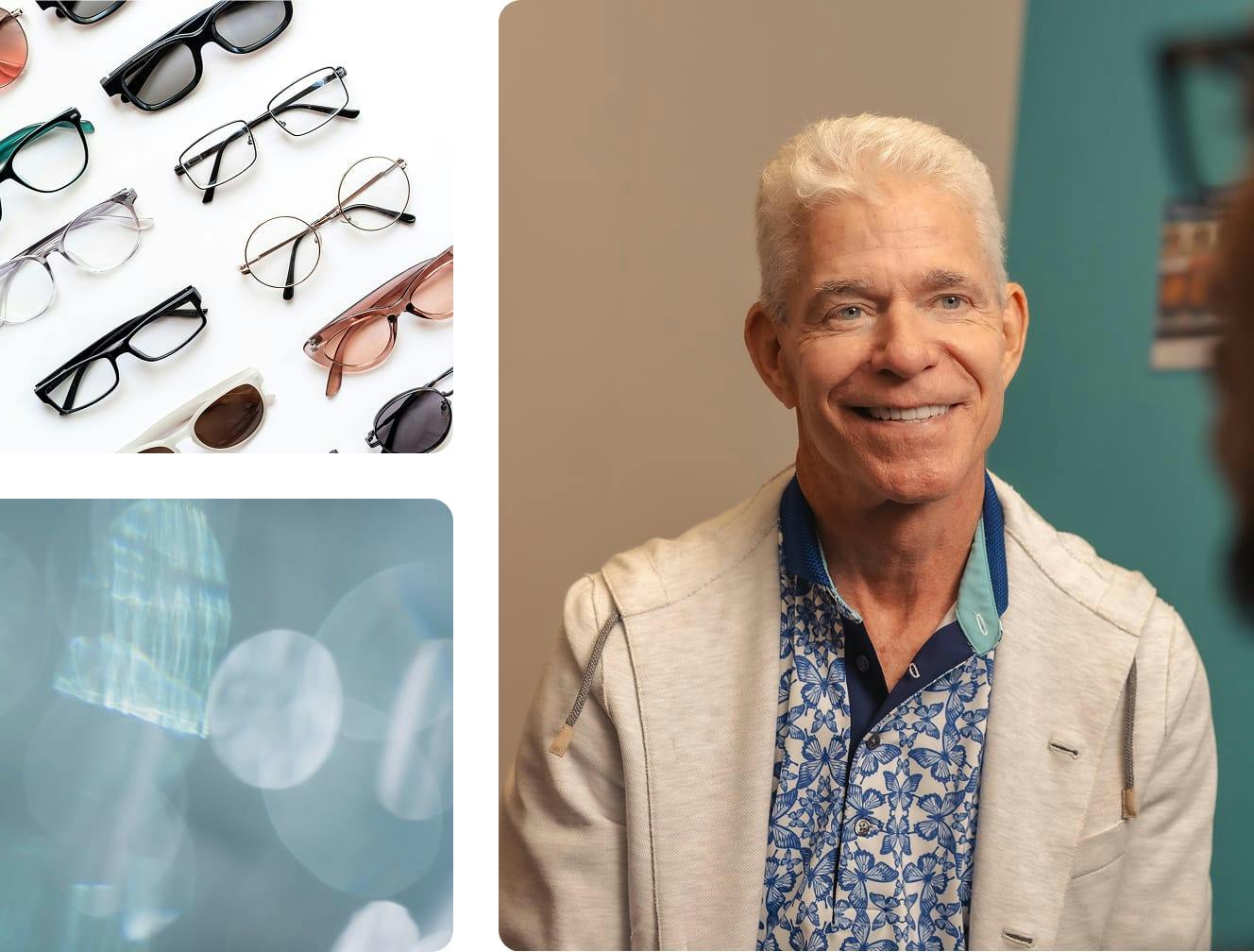
man smiling | glasses lined up | abstract art

Frequently Asked Questions Pediatric Eye Center

At what age should my child have their first eye exam?

The American Optometric Association recommends a first comprehensive eye exam at six months of age, again at age three, and annually from age six onward. Earlier exams are recommended if there is a family history of amblyopia, strabismus, or significant refractive error, or if any concern arises before the scheduled exam.

My child passed their school vision screening. Do they still need an eye exam?

Yes. School screenings test a limited range of visual functions and frequently miss significant conditions, including farsightedness, astigmatism, and amblyopia. A comprehensive eye exam at our Goshen location evaluates the full picture of visual health and is the only reliable way to rule out conditions that screenings can't detect.

How do I know if my child has amblyopia?

Amblyopia often produces no obvious symptoms, which is why comprehensive exams that evaluate each eye individually are so important. Some children with amblyopia may squint, cover one eye, or tilt their head, but many show no outward signs at all. A comprehensive exam is the only reliable way to detect it.

Can my child's vision affect their performance at school?

Yes, significantly. Vision is involved in the majority of classroom learning, and uncorrected vision problems can affect reading, writing, concentration, and overall academic performance. Children with undetected vision problems are sometimes misidentified as having attention or learning difficulties when the underlying issue is a vision problem.

Does Boling Vision Center see very young children and infants at the Goshen location?

Yes. We see children from six months of age onward and are experienced in examining very young children using techniques specifically designed for their developmental stage. A child doesn't need to be able to read a chart or answer questions for us to get accurate, meaningful information about their vision.

Amazing Happens Here

Three generations. One unwavering standard.

Contact Us
Accessibility: If you are vision-impaired or have some other impairment covered by the Americans with Disabilities Act or a similar law, and you wish to discuss potential accommodations related to using this website, please contact our Accessibility Manager at (574) 293-3545.
Contact Us