
Boling Vision Center's Cornea & Ocular Surface Center provides comprehensive corneal evaluation, medical management, and surgical care, with cornea specialists experienced in the full spectrum of conditions affecting the eye's most essential surface.
Cornea Treatment in Goshen
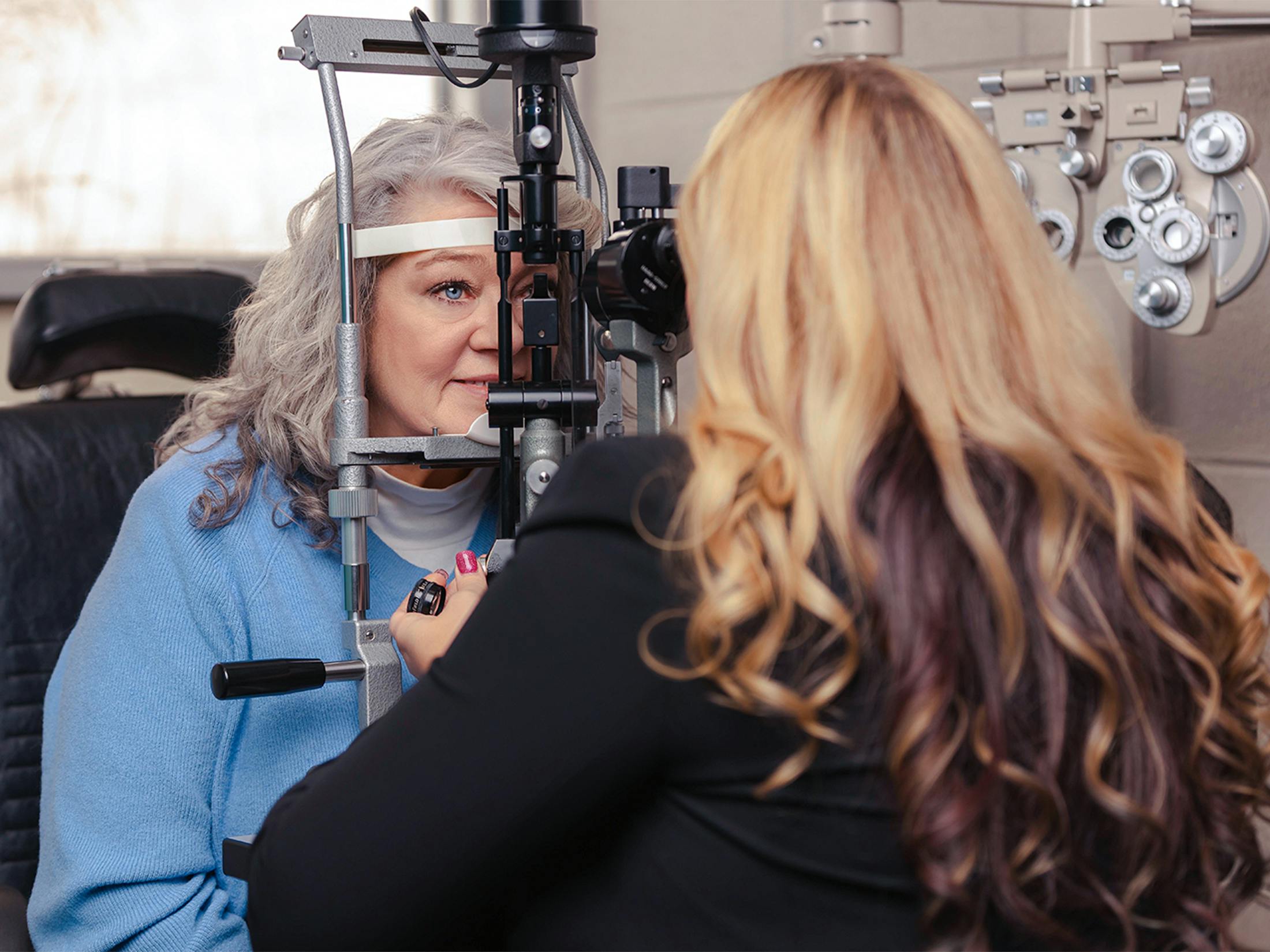

Expert Corneal Care
The cornea is the clear outer layer of the eye, responsible for the majority of the eye's focusing power and serving as its primary protective barrier against the outside world. When disease, injury, or structural changes affect the cornea, the impact on vision can range from subtle to profound, and the care required ranges from targeted medical therapy to advanced surgical intervention. Access to a cornea specialist in Goshen, IN, means that even the most complex corneal conditions can be evaluated and managed close to home.
If you have concerns about your corneal health or have been told you have a corneal condition that needs specialist attention, schedule an evaluation at our Goshen location and let our cornea team take a thorough look.
Corneal Conditions We Treat
At Boling Vision Center's Goshen location, our cornea specialists evaluate and manage the full range of conditions affecting the cornea and ocular surface.
Keratoconus
Keratoconus is a progressive condition in which the cornea gradually weakens and thins until normal intraocular pressure causes it to bulge forward into an irregular cone shape, producing distorted vision that becomes increasingly difficult to correct with standard glasses or contact lenses.
Keratoconus treatment in Goshen at Boling Vision Center spans the full range of management options, from specialty contact lens fitting to corneal cross-linking and, in advanced cases, surgical intervention.
Early diagnosis is critical. The earlier keratoconus is identified, the more options are available and the better the long-term outcome. Our advanced corneal imaging detects the subtle structural changes of early keratoconus before significant visual symptoms develop, allowing timely intervention that can halt progression and preserve long-term corneal health.
Corneal Scarring and Trauma
Injuries, infections, chemical exposures, and other forms of corneal trauma can leave behind scarring that permanently affects the way light passes through the eye. Our cornea specialists evaluate corneal scarring comprehensively, characterizing its depth, extent, and visual impact, and recommend management ranging from observation and optical correction to surgical intervention when appropriate.
Dry Eye Disease and Ocular Surface Conditions
Chronic dry eye, meibomian gland dysfunction, blepharitis, and other ocular surface conditions affect the front surface of the eye in ways that can significantly impair vision and daily comfort. Our Goshen cornea team evaluates and manages the full range of these conditions with the diagnostic precision and therapeutic breadth that effective ocular surface care requires.
Corneal Dystrophies and Degenerations
Inherited or age-related conditions, including Fuchs' endothelial dystrophy, anterior basement membrane dystrophy, and other corneal degenerations, cause progressive changes to corneal clarity and structure. Management ranges from monitoring and medical therapy to surgical intervention, depending on the type and stage of the condition.
Inflammatory and Autoimmune-Related Corneal Disease
Conditions, including peripheral ulcerative keratitis, ocular cicatricial pemphigoid, and other autoimmune conditions affecting the cornea and conjunctiva, require a level of diagnostic depth and systemic coordination that not every practice can offer. Our cornea specialists manage these conditions with the attentiveness and whole-person perspective they demand.
Post-Surgical Corneal Complications
Guests who have experienced complications or incomplete recovery following prior eye surgery, including persistent dry eye, epithelial irregularity, or corneal surface breakdown, benefit from the specialized post-surgical surface care available through our Goshen cornea team.

C. BrewtonDr. Boling has been my doctor for many, many years. Now my wife is in need of specialized care. Tyler gathered information and set up the appointment. She demonstrated the caring professionalism for which Boling Vision Center is widely known. I appreciate the staff very much. I have great confidence in Dr's. Boling.


Why Choose Boling Vision Center for Cornea Treatment in Goshen?
Boling Vision Center's cornea specialists in Goshen, IN, bring advanced diagnostic imaging, the full range of corneal treatments from specialty lens fitting through transplantation, and the clinical depth that complex corneal conditions demand, all within a comprehensive practice backed by over 65 years of trusted community care. Amazing happens here.
Frequently Asked Questions Cornea & Ocular Surface Center
How do I know if I need to see a cornea specialist in Goshen?
Common signs that a corneal evaluation is warranted include blurry or distorted vision that doesn't fully correct with glasses, frequent prescription changes, a visible cloudiness on the front of the eye, significant light sensitivity, a persistent foreign body sensation, or a prior diagnosis of keratoconus or another corneal condition. If any of these apply to your situation, schedule an evaluation at our Goshen location.
Is keratoconus treatment in Goshen covered by insurance?
Coverage for keratoconus treatment varies by plan and treatment type. Medical management, including cross-linking, may be covered when medically indicated. Specialty contact lens fitting for keratoconus is covered by some plans. Our billing team will help you understand your specific coverage before treatment begins.
How long is the recovery after a cornea transplant in Goshen?
Recovery varies significantly by procedure. DMEK often produces usable vision within weeks to a few months. DALK and PKP involve longer visual rehabilitation periods that can extend over a year as the cornea heals and the prescription stabilizes. Your cornea specialist will give you specific expectations based on your individual procedure.
Can keratoconus be cured?
There is no cure for keratoconus, but it is very manageable with appropriate treatment. Corneal cross-linking can halt, or significantly slow progression, and specialty contact lenses can provide excellent functional vision for most guests throughout their lives. Corneal transplantation is an option for advanced cases, and the majority of transplant recipients achieve good functional vision with appropriate correction afterward.
What is the difference between DMEK and PKP?
DMEK replaces only the innermost endothelial layer of the cornea and is used for conditions affecting primarily the endothelium, such as Fuchs' dystrophy. It offers faster recovery and lower rejection rates than full-thickness transplantation. PKP replaces the full thickness of corneal tissue and is used when disease affects all layers of the cornea. The appropriate technique depends on which layers are diseased and the overall health of the cornea.
