Staying Ahead of the Silent Thief of Sight

Glaucoma is one of the leading causes of irreversible blindness worldwide, and its defining characteristic is the one that makes it most dangerous: it typically develops without any noticeable symptoms until significant and permanent vision loss has already occurred. For those living with glaucoma or at elevated risk, consistent monitoring and timely intervention are the most powerful tools available for protecting long-term vision.

At Boling Vision Center, interventional glaucoma in Elkhart represents our commitment to going beyond drops alone when drops alone aren't enough, offering advanced procedural and surgical options that address the underlying mechanisms of elevated intraocular pressure with greater precision and durability. Schedule a glaucoma evaluation today.

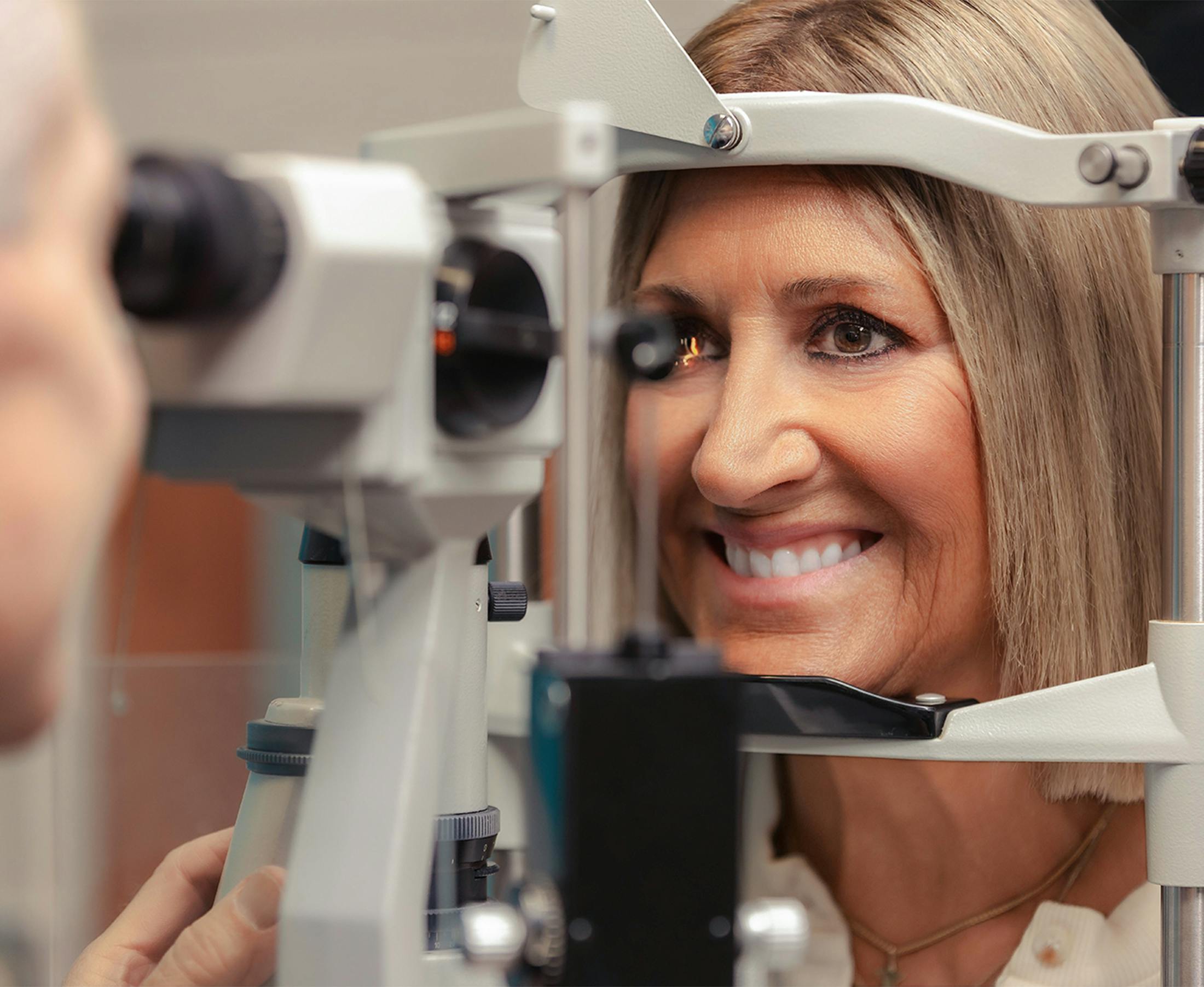
Woman smiling during eye exam

Understanding Glaucoma

Glaucoma is a group of conditions that damage the optic nerve, most commonly as a result of elevated intraocular pressure. The optic nerve is the critical connection between the eye and the brain, transmitting visual information that the brain interprets as sight. When sustained elevated pressure damages its fibers over time, the result is irreversible peripheral vision loss that, without appropriate management, can progress to complete blindness.

Most forms of glaucoma develop without pain or obvious symptoms. Guests often don't realize they have the condition until a comprehensive eye exam detects elevated pressure, optic nerve changes, or visual field loss. By that point, some damage has typically already occurred, which is why early detection and consistent management are so important.

Types of Glaucoma We Treat

Glaucoma encompasses several distinct conditions, each with different mechanisms, presentations, and management considerations, and Boling Vision Center's team is experienced in evaluating and treating all of them.

Primary Open-Angle Glaucoma

The most common form of glaucoma, primary open-angle glaucoma, develops gradually as the eye's drainage system becomes less efficient over time, causing intraocular pressure to rise slowly. It is typically asymptomatic in its early stages and is most commonly detected through routine eye exams.

Normal-Tension Glaucoma

Normal-tension glaucoma involves optic nerve damage that occurs despite intraocular pressure within the statistically normal range. It is less common but equally serious, and its management requires particular attentiveness to factors beyond pressure alone.

Angle-Closure Glaucoma

Angle-closure glaucoma occurs when the drainage angle of the eye becomes blocked, either gradually or suddenly. Acute angle-closure is a medical emergency producing sudden, severe eye pain, headache, nausea, and blurred vision that requires immediate treatment to prevent permanent vision loss.

Secondary Glaucoma

Secondary glaucoma develops as a result of another condition, including diabetes, eye injury, inflammation, or prior eye surgery. Management requires addressing both the elevated pressure and the underlying contributing condition.

Prompt, professional, and positive responses from the time I entered the building. Every single staff member appeared to truly love what they were doing, and it was reflected in their patient care.

Kendra Cross
Quote Background

Glaucoma Treatment

At Boling Vision Center, glaucoma treatment in Elkhart follows a progressive, individualized approach that begins with the least invasive effective option and advances as the clinical picture requires.

Medical Management

For many guests, glaucoma is initially managed with prescription eye drops that lower intraocular pressure by reducing fluid production or improving drainage. Adherence to the prescribed drop regimen is essential, as consistent pressure control is what protects the optic nerve over time. When drops alone achieve adequate pressure control with acceptable tolerability, medical management remains the cornerstone of care. When they don't, or when the side effect burden or adherence challenges make long-term medical management difficult, interventional options offer a meaningful alternative or complement.

Laser Treatment

Selective laser trabeculoplasty, or SLT, is a safe, well-established in-office laser treatment that improves the drainage of fluid from the eye, lowering intraocular pressure without the daily commitment of eye drops.

It can be used as a first-line treatment or as an adjunct to drops, and can be repeated if necessary. SLT is performed in the office and requires no incisions or recovery time.

Glaucoma Surgery

For guests with more advanced glaucoma or those who don't achieve adequate pressure control with less invasive options, glaucoma surgery in Elkhart at Boling Vision Center includes traditional filtering procedures and tube shunt implantation designed to create new drainage pathways and achieve more significant, durable pressure reduction. These procedures are performed at our on-site Joint Commission-certified INSIGHT Surgery Center and are reserved for cases where the clinical picture supports a more aggressive surgical approach.

Interventional Glaucoma Treatment

Interventional glaucoma reflects the evolving standard of glaucoma care, moving away from the traditional model of managing pressure with drops indefinitely and toward earlier procedural intervention that addresses the underlying drainage dysfunction more directly and durably.

Minimally invasive glaucoma surgery, or MIGS, encompasses a range of micro-scale surgical procedures that lower intraocular pressure with minimal tissue disruption, rapid recovery, and a favorable safety profile compared to traditional glaucoma surgery. MIGS procedures are often performed in combination with cataract surgery, making them a particularly efficient option for guests who need both.

  • iStent and iStent Inject: Tiny implants placed in the eye's natural drainage pathway to improve fluid outflow and reduce intraocular pressure. Among the smallest devices implanted in the human body, they are placed through the same incision used in cataract surgery.
  • Hydrus Microstent: A small scaffold implanted in the eye's drainage canal to keep it open and improve aqueous outflow, reducing intraocular pressure with a single-device approach.
  • Kahook Dual Blade (KDB) Goniotomy: A precise surgical technique that removes a section of the trabecular meshwork, the eye's primary drainage tissue, to improve outflow and lower pressure.
  • OMNI Surgical System: A versatile device that performs both viscoelastic injection and goniotomy to address multiple points of outflow resistance in a single procedure.
  • Micropulse Laser Trabeculoplasty (MLT): A laser treatment that applies gentle, pulsed energy to the trabecular meshwork to stimulate improved drainage with a reduced risk of pressure spikes compared to conventional laser treatment.

Schedule A Consultation

Contact Us
Contact us media

Our Approach to Glaucoma Care

At Boling Vision Center, glaucoma care goes beyond simply managing intraocular pressure, encompassing the comprehensive monitoring, individualized treatment planning, and long-term clinical partnership that protecting the optic nerve over a lifetime requires.

Comprehensive Monitoring

Effective glaucoma management requires consistent monitoring of intraocular pressure, optic nerve appearance, and visual field function over time. At Boling Vision Center, we use advanced imaging technology, including optical coherence tomography of the optic nerve and retinal nerve fiber layer, to track subtle structural changes that precede measurable visual field loss, giving us a meaningful head start on treatment adjustment when it's needed.

Individualized Treatment Planning

No two glaucoma cases are identical, and the right approach for one guest may not be appropriate for another. Our team evaluates each guest's pressure, optic nerve status, visual field, disease stage, lifestyle, and treatment tolerance before making any recommendation, and we revisit that plan regularly as the condition and clinical circumstances evolve.

A Long-Term Partnership

Glaucoma is a lifelong condition that requires ongoing management and consistent follow-up. At Boling Vision Center, we approach glaucoma care as a long-term partnership, staying closely engaged through every stage of the condition and ensuring that every guest understands their disease, their treatment, and the importance of consistency in protecting their vision.

Background media

Why Choose Boling Vision Center for Glaucoma Treatment in Elkhart?

Boling Vision Center offers the full range of glaucoma treatments, from medical management and laser therapy to advanced MIGS procedures and glaucoma surgery, all within a comprehensive ophthalmology practice with an on-site certified surgery center and over 65 years of trusted community care. When glaucoma demands more than drops alone, we're the practice Elkhart trusts. Amazing happens here.

woman smiling | child getting her eyes checked | abstract art

Frequently Asked Questions Interventional Glaucoma

How do I know if I have glaucoma?

Glaucoma typically produces no symptoms in its early stages, which is why regular comprehensive eye exams are the primary means of detection. Elevated intraocular pressure, optic nerve changes, and visual field loss detected during an exam are the most common ways glaucoma is first identified. If you haven't had a comprehensive exam recently, scheduling one at our Elkhart location is the right first step.

Is glaucoma treatment in Elkhart covered by insurance?

Medical glaucoma management, including prescription drops, laser treatment, and surgical procedures, is typically covered under medical insurance when medically indicated. Our billing team will help you understand your specific coverage and what to expect in terms of out-of-pocket costs before any treatment begins.

What is the difference between MIGS and traditional glaucoma surgery?

MIGS procedures use micro-scale devices and techniques to lower intraocular pressure with minimal tissue disruption, rapid recovery, and a favorable safety profile. Traditional glaucoma surgery, including trabeculectomy and tube shunt implantation, creates new drainage pathways and achieves more significant pressure reduction but involves a more involved procedure and recovery. The appropriate approach depends on the severity of the glaucoma and the pressure reduction needed.

Can glaucoma be cured?

There is currently no cure for glaucoma, and vision lost to the condition cannot be recovered. However, with appropriate treatment and consistent monitoring, the progression of glaucoma can be halted or significantly slowed, preserving the vision that remains. This is why early detection and consistent management are so important.

What happens if glaucoma is left untreated?

Without treatment, glaucoma typically progresses from peripheral vision loss to more significant visual impairment and, ultimately, blindness. The rate of progression varies between individuals, but the damage is irreversible at every stage, making timely intervention essential regardless of how mild the condition appears at diagnosis.

Amazing Happens Here

Three generations. One unwavering standard.

Contact Us
Accessibility: If you are vision-impaired or have some other impairment covered by the Americans with Disabilities Act or a similar law, and you wish to discuss potential accommodations related to using this website, please contact our Accessibility Manager at (574) 293-3545.
Contact Us