Relief That Goes Beyond the Eye Drop Aisle

For many living with dry eye, the standard experience has been a sample of artificial tears and a recommendation to come back if things don't improve. At Boling Vision Center, we take a fundamentally different approach. Dry eye syndrome treatment in Elkhart at our practice begins with a thorough diagnostic evaluation that identifies exactly what's driving the condition, followed by a personalized, layered treatment plan designed to produce lasting improvement rather than temporary relief. If dry, irritated, uncomfortable eyes have become part of your daily life, better answers are available. Schedule a dry eye evaluation today.

Understanding Dry Eye Disease

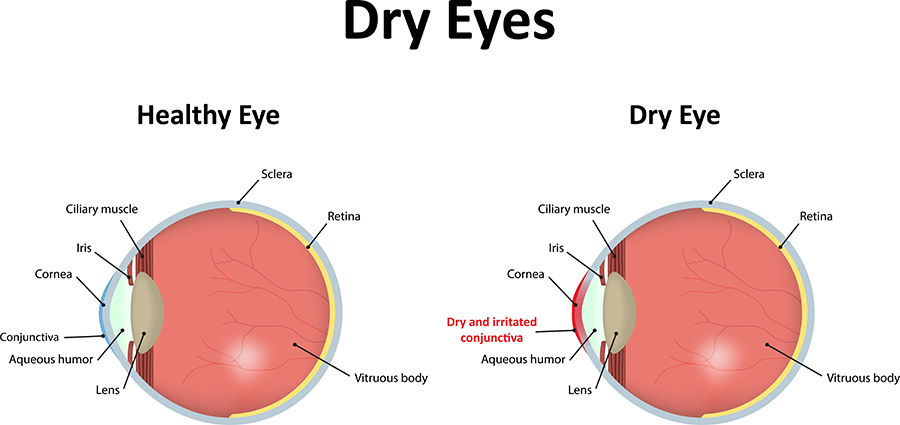
Dry eye disease is one of the most common eye conditions in the world and one of the most undertreated. Despite its name, it is rarely just about insufficient tears. It is rooted in a breakdown of the ocular surface system, the integrated network of cornea, conjunctiva, eyelids, and tear film that keeps the eye clear, lubricated, and protected, and it can stem from multiple different underlying causes.

The Tear Film and Why It Matters

The tear film is a precisely layered structure with three distinct components: an outer lipid layer produced by the meibomian glands, a middle aqueous layer produced by the lacrimal glands, and an inner mucin layer produced by goblet cells in the conjunctiva. When any of these components fails, the result is an unstable tear film that can't adequately protect or lubricate the ocular surface.

Why Accurate Diagnosis Matters

Effective dry eye treatment in Elkhart requires understanding which components are failing and why. That's exactly what our diagnostic evaluation is designed to determine, and it's what makes the difference between a treatment plan that produces lasting improvement and one that simply manages symptoms temporarily.

Background media

Types of Dry Eye

Dry eye disease is not a single condition but a spectrum of presentations driven by different underlying mechanisms, and identifying which type is present is essential to selecting the right treatment approach.

  • Evaporative Dry Eye: The most common form of dry eye, evaporative dry eye occurs when the meibomian glands become blocked or dysfunctional, reducing the lipid layer that prevents tears from evaporating too quickly. The tear film evaporates faster than it can be replenished, leaving the ocular surface exposed and irritated. Meibomian gland dysfunction is the primary driver of evaporative dry eye and is one of the most common and most undertreated conditions in eye care.
  • Aqueous Deficient Dry Eye: In aqueous-deficient dry eye, the lacrimal glands don't produce enough of the watery component of the tear film. This form is less common than evaporative dry eye but can be more severe, and is associated with certain autoimmune conditions, medications, and age-related changes in gland function. Many guests have a combination of both types, which is one reason a thorough diagnostic evaluation is so important before treatment begins.
ILux

dry eye graphic

doctor looking at a patient

Symptoms of Dry Eye Disease

Dry eye doesn't always feel like dryness. The range of symptoms guests describe is broader than most people expect, and includes:

  • A burning, stinging, or scratchy sensation
  • Redness and irritation, particularly toward the end of the day
  • Watery eyes, which can paradoxically be a sign of dry eye as the eye overproduces reflex tears in response to surface irritation
  • Blurry or fluctuating vision, especially during sustained reading or screen use
  • Light sensitivity
  • Discomfort or intolerance with contact lens wear
  • Eye fatigue or heaviness by the end of the day

If these symptoms sound familiar, a comprehensive dry eye evaluation is the right next step.

Love Dr. Whitney and her staff. Noel has such a welcoming personality, Zari was efficient, and Sierra was also helpful. Thank you.

Susan Geist Smith
Quote Background

How We Diagnose Dry Eye

Effective dry eye disease treatment in Elkhart begins with an accurate diagnosis. At Boling Vision Center, we use a comprehensive suite of objective diagnostic tools to characterize tear film health in detail before any treatment is recommended.

  • Tear Film Analysis: We assess tear volume, stability, and evaporation rate using objective testing that goes well beyond a standard eye exam, including tear osmolarity testing that provides a measurable, reproducible marker of tear film health.
  • Meibomian Gland Imaging: Specialized imaging allows direct visualization of the meibomian glands and assessment of their structure, identifying dropout, truncation, and blockage that may be driving evaporative dry eye.
  • Ocular Surface Staining: Vital dye staining reveals areas of surface cell damage that indicate where the tear film is failing and guides treatment planning based on the pattern and extent of involvement.
  • Slit-Lamp Examination: A thorough slit-lamp evaluation of the eyelid margins, tear meniscus, cornea, and conjunctiva allows direct assessment of the ocular surface and identification of contributing conditions, including blepharitis and meibomian gland disease.

Schedule A Consultation

Contact Us
Contact us media

Dry Eye Treatment in Elkhart

Dry eye disease treatment at Boling Vision Center is individualized, targeted, and designed to address the root causes of the condition rather than simply managing symptoms. Depending on the diagnostic findings, treatment may include one or more of the following.

Prescription Anti-Inflammatory Therapy

Inflammation is a central driver of dry eye disease for many guests. Prescription anti-inflammatory eye drops, including cyclosporine and lifitegrast formulations, interrupt the inflammatory cycle at the cellular level and help restore healthier ocular surface function over time. Unlike artificial tears, which address symptoms temporarily, these medications target the underlying disease process.

Meibomian Gland Treatment (iLux)

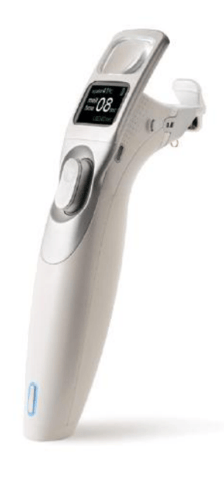
For guests with evaporative dry eye driven by meibomian gland dysfunction, restoring gland function is the most direct path to a more stable tear film. iLux delivers controlled heat and compression to the eyelids, clearing blocked glands and restoring the lipid layer essential to tear film stability. Results extend well beyond what any topical therapy alone can achieve.

BlephEx Eyelid Cleaning

For guests with blepharitis or significant lid margin disease contributing to dry eye, BlephEx provides a precise in-office cleaning treatment that removes bacterial biofilm, Demodex debris, and accumulated deposits from the lid margins at a level of thoroughness that at-home care cannot replicate.

Intense Pulsed Light (IPL) Therapy

IPL uses precisely calibrated pulses of light to target the abnormal blood vessels around the eyelid margins that contribute to meibomian gland inflammation and dysfunction. It is particularly valuable for guests with evaporative dry eye associated with ocular rosacea or significant lid margin vascular disease.

Celluma Light Therapy

Celluma delivers therapeutic wavelengths of light to reduce periocular inflammation, support meibomian gland function, and promote ocular surface healing at the cellular level. It is a gentle, non-invasive option that complements other dry eye treatments effectively.

Punctal Occlusion

For guests with aqueous-deficient dry eye, closing the small drainage openings in the inner corner of each eyelid helps retain more of the tears being produced on the ocular surface for longer, providing meaningful relief as part of a broader treatment plan.

Scleral Lenses

For guests with moderate to severe dry eye, particularly those whose vision is also affected by ocular surface irregularity, scleral lenses provide continuous hydration by creating a fluid reservoir over the corneal surface throughout the day. They are a transformative option for the right candidate.

What to Expect From Dry Eye Care

Dry eye treatment is not a quick fix, and setting realistic expectations is an important part of the process. Most guests who follow a targeted treatment plan see meaningful improvement within the first few months. Some conditions, particularly those involving meibomian gland damage or chronic inflammation, require longer-term management.

At Boling Vision Center, we stay closely engaged throughout the treatment process, tracking objective markers of ocular surface health alongside symptom improvement and adjusting the plan as needed. We don't prescribe and step back; we remain invested in your outcome for as long as it takes to get there.

Banner media

Why Choose Boling Vision Center for Dry Eye Treatment in Elkhart?

Boling Vision Center's Cornea & Ocular Surface Center brings advanced diagnostics, the full range of targeted dry eye therapies, and providers who treat dry eye as the medical condition it is to dry eye disease treatment. With four Northern Indiana locations and a team invested in long-term outcomes, we're the practice Elkhart guests with difficult dry eye trust to get it right. Amazing happens here.

man smiling | glasses lined up | abstract art

Frequently Asked Questions Dry Eye Disease

How do I know if I have dry eye disease or just occasional eye irritation?

Occasional irritation from environmental factors, screens, or allergies is common and usually self-resolving. Dry eye disease is characterized by persistent, recurring symptoms that affect daily comfort and vision quality consistently rather than occasionally. If your symptoms are frequent, affecting your ability to work or enjoy daily activities, or haven't responded to over-the-counter drops, a comprehensive evaluation is the right next step.

Are over-the-counter artificial tears enough to treat dry eye?

For mild, situational dryness, quality artificial tears can provide adequate relief. For most guests with true dry eye disease, however, drops alone don't address the underlying causes of tear film instability and provide only temporary symptomatic relief. Targeted dry eye syndrome treatment in Elkhart is designed to address those underlying causes and produce more meaningful, lasting improvement.

How long does dry eye treatment take to work?

It depends on the therapy and the severity of the condition. Some treatments, like in-office meibomian gland procedures, can produce noticeable improvement within a few weeks. Prescription anti-inflammatory drops typically take one to three months to show their full benefit. Consistency and patience are both important parts of the process.

Is dry eye disease covered by insurance?

Medical evaluation and treatment of dry eye disease are typically covered under medical insurance when medically indicated. Some in-office procedures, including IPL, may be considered elective and may not be covered. Our billing team will help you understand your specific coverage before treatment begins.

Can dry eye disease be cured?

Dry eye is often a chronic condition requiring ongoing management rather than a one-time cure. That said, with consistent, targeted treatment, the vast majority of guests achieve meaningful improvement in both symptoms and ocular surface health. Many find that after an initial course of active treatment, a simpler maintenance regimen is sufficient to keep symptoms well controlled.

Amazing Happens Here

Three generations. One unwavering standard.

Contact Us
Accessibility: If you are vision-impaired or have some other impairment covered by the Americans with Disabilities Act or a similar law, and you wish to discuss potential accommodations related to using this website, please contact our Accessibility Manager at (574) 293-3545.
Contact Us